Choosing the Right Destination for Your Travel Program: A Decision-Making Framework
Sometimes a program’s destination is obvious from the start. Anime? Japan. The Renaissance? Italy. Other times, the academic idea comes together first, and only then does the right destination begin to make sense.
Whether location leads the process or comes into focus later, the destination does far more than simply host the program. One of EdOdyssey's core beliefs is in the power of place and in the relationships we’ve built in each location where our students travel. Places shape academic possibilities, accessibility, and the personal and professional outcomes students experience as they engage with the local culture and communities.
The guide below offers a practical framework for thinking through destination choice. It’s designed to help clarify priorities, surface constraints, and support thoughtful conversations with the EdOdyssey team as programs take shape.
1. START WITH ACADEMIC INTENT, NOT GEOGRAPHY.
Before you spin a globe or start mapping flight routes, be clear on the “why” behind your program.
Ask yourself:
What learning outcomes should students achieve through this experience?
Is this program designed for a specific discipline, or is it interdisciplinary?
What types of engagement will bring academic content to life: site visits, community interaction, local events, guest speakers, or service learning elements?
A destination should enable your academic goals, not force those goals to adapt to a place. When your academic motivation is clear, the right destination becomes easier to identify. It’s also helpful at this stage to consider when the program would run and whether a destination can realistically support those goals within your available timeframe.
Example: In programs centered on environmental studies, Costa Rica is a strong fit because sustainability is embedded in daily life and public policy. Local practices, community-led initiatives, and on-the-ground challenges allow students to engage directly with course themes through observation, conversation, and site-based learning, rather than treating sustainability as an abstract concept.
2. IDENTIFY THE TYPE OF STUDENT EXPERIENCE YOU WANT TO LEAD
Destinations shape how students learn and interact while away from home, through site visits, informal conversations, cultural observations, and participation in daily life within an unfamiliar environment.
Consider the impact of:
Scale and rhythm: large cities vs smaller communities; fast-paced environments vs slower or more reflective settings; or places where you can balance both
Density of learning spaces: whether the destination offers a concentration of museums, neighborhoods, cultural institutions, public spaces, or community organizations that directly support the program’s academic theme.
Opportunities for interaction: the likelihood of meaningful engagement with local communities through guided visits, conversations, and shared activities
Consider which environment will best support engagement, reflection, and curiosity over the course of the program.
Example: When the goal is an immersive, place-based experience in arts and culture, destinations like Florence support that intent through their scale and density. Programs focused on Italian arts and culture allow students to move fluidly between neighborhoods on short guided walks, engage in artisan workshops, visit architectural sites, and converse with local experts, using the city itself as the primary learning environment and minimizing long travel days that can interrupt the rhythm of the program.

3. ASSESS ACCESS TO LOCAL KNOWLEDGE AND RELATIONSHIPS.
At EdOdyssey, we always start with relationships, and this is especially true when choosing a destination.
As you evaluate options, consider whether there is access to people and perspectives that align with your academic focus:
Local educators, practitioners, or community organizations
Opportunities for conversation and exchange, not just observation
Experiences that allow for context and reflection, not just as isolated stops
Access to local voices, expertise, and lived experiences can make a meaningful difference in how students learn. For this reason, we work in places we know well, where long-standing relationships and trust allow students to learn through deeper, more impactful engagement.
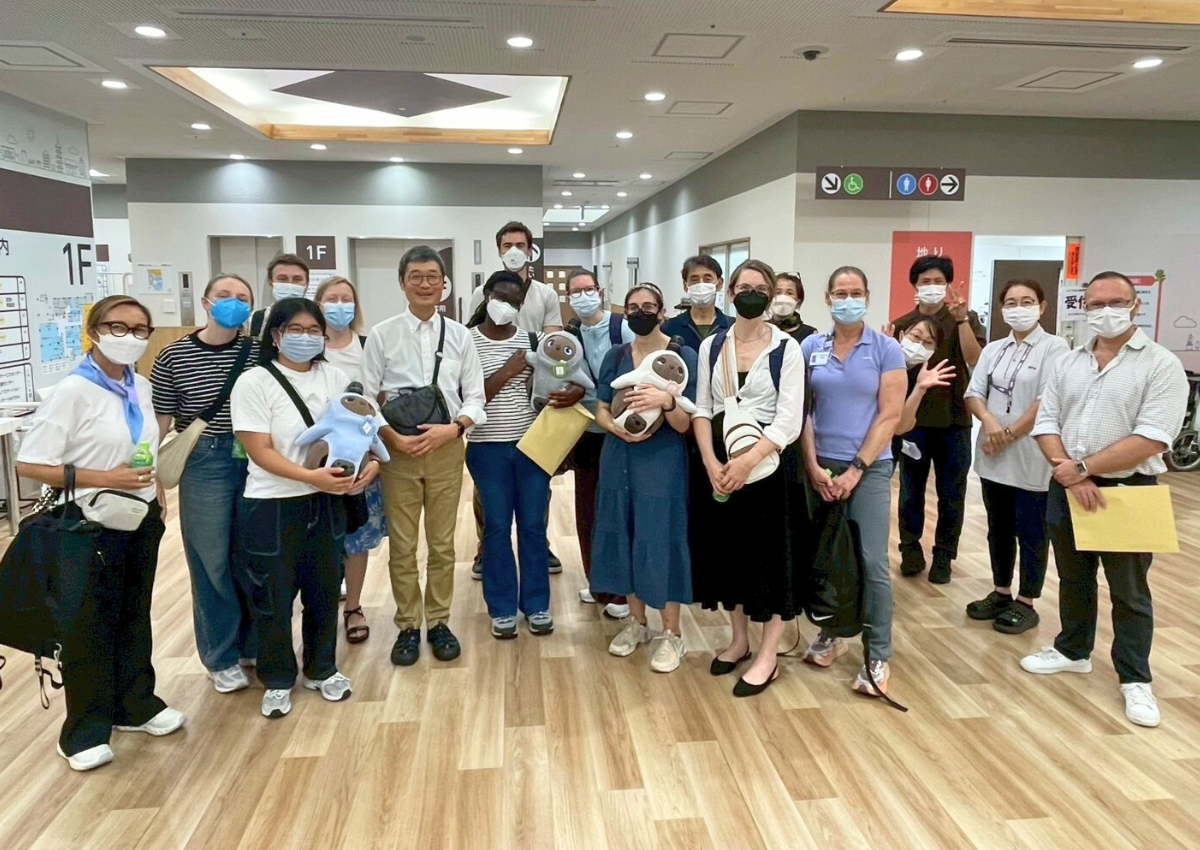
Example: When access to local expertise is central to the academic focus, destinations where relationships are already in place become especially valuable. In Japan, students on a program focused on the country’s super-aging society engaged directly with local professionals and communities, visiting a care facility centered on dignity and connection, learning from urban planners about age-friendly design, participating in a community market project, and hearing firsthand from caregivers working in in-home support systems.
4. CONSIDER COST, ACCESSIBILITY, AND STUDENT PARTICIPATION
Affordability plays a significant role in who is able to participate in a program, and many cost decisions are often baked in at the destination level.
As you assess options with the EdOdyssey team, it’s also helpful to look beyond airfare alone and consider:
In-country transportation costs
Cost of site visits or other excursions
Cost-of-living factors that affect day-to-day expenses
Programs designed with cost awareness from the outset are often more accessible, easier to communicate to students, and more sustainable over time.
Example: Costa Rica is sometimes overlooked in favor of European destinations, but it can be a strong option when accessibility is a priority. Its relative proximity to the U.S. can help reduce flight costs, and a moderate cost of living can make overall program expenses more manageable, supporting broader student participation while still offering meaningful opportunities for site-based and community-engaged learning.

5. THINK ABOUT A LONGER-TERM VISION.
Is this program intended to be a one-time experience or part of a longer-term partnership?
Ask:
Could this destination support future iterations with evolving themes or coursework?
Is there institutional interest in returning to this location over time?
How adaptable is the destination as student needs and priorities change?
Destinations that offer flexibility often provide greater long-term value for both faculty and institutions.
Example: Italy is one such flexible destination that can support a wide range of academic approaches, from art history and architecture to sustainability and food systems to cultural studies. Programs can be based in a single city or designed around regional travel, allowing faculty to return with new academic lenses while continuing to build on established relationships.
WHERE EDODYSSEY COMES IN
Choosing a destination is about understanding how place will shape the learning experience you want your students to have.
That’s where we come in.
EdOdyssey’s role is to help you think through how academic goals translate into real, place-based experiences, and to do so with honesty about what will work well in practice. We work alongside you to explore options, ask the right questions, and assess fit.
Whether you’re developing a new idea or refining an existing program, we’re here to support thoughtful, well-aligned decision-making.