Behind the Scenes of a Faculty Partnership
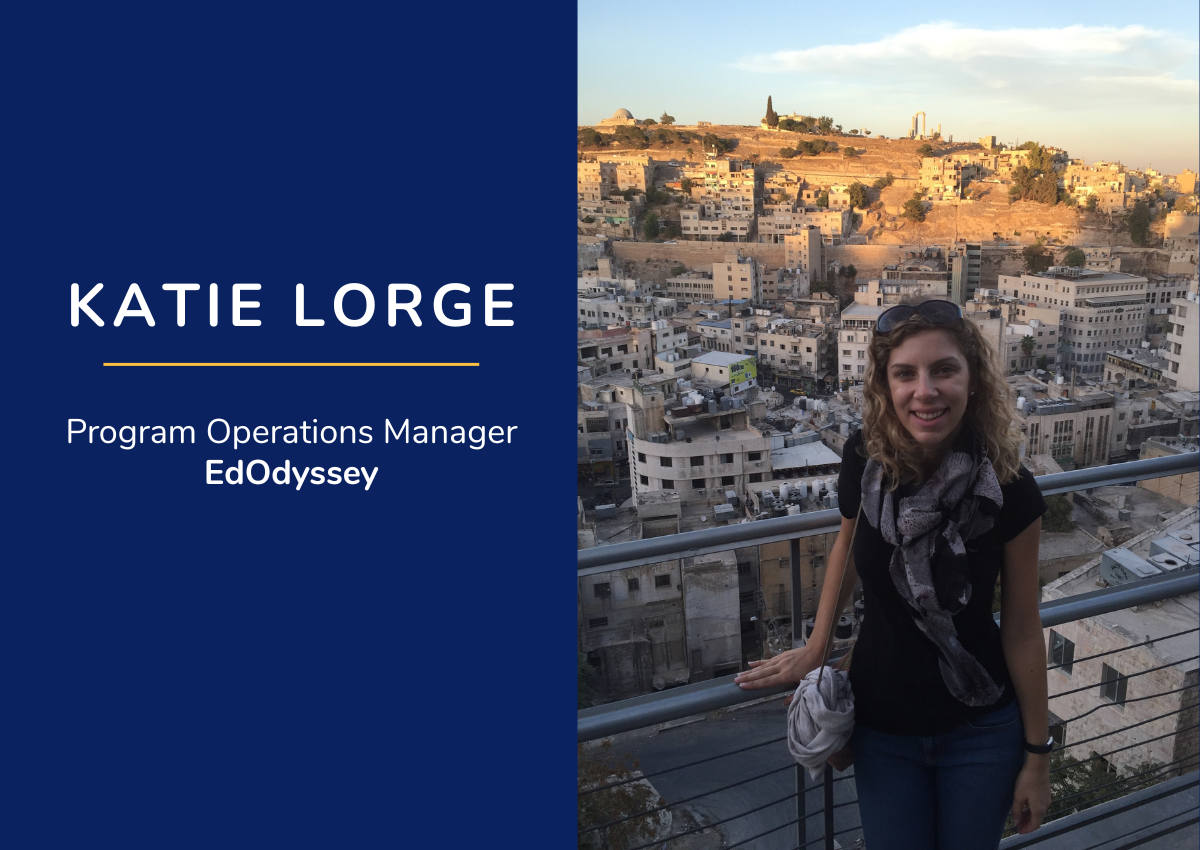
A conversation with EdOdyssey’s Program Operations Manager, Katie Lorge
When our partners start to explore the idea of leading students on an educational trip, it’s the destination, the itinerary, and the exciting site visits that often come to mind first. But there’s a lot that happens behind the scenes that is less visible but just as essential when it comes to turning an idea into a well-executed, high-impact program.
We sat down with EdOdyssey’s Program Operations Manager, Katie Lorge, to talk about what a partnership looks like in practice from her perspective, how programs are built from the ground up, and what makes collaboration with faculty truly successful.
EdOdyssey: Can you tell us a bit about your role at EdOdyssey and how you work with faculty partners?
Katie Lorge: I’ve been fortunate to work closely with faculty throughout my career in international education. As Program Operations Manager, I design, develop, and run our domestic programs as well as programs in the UK, Canada, and Ireland. I also oversee all of our programs in Asia. Most of these are custom programs designed specifically in collaboration with school and university faculty or staff.
When we receive a request from faculty, we start by learning about their vision. We review their proposed itinerary, key learning objectives and syllabus, and any experiences they hope to include. From there, we build a customized program that aligns with their goals while drawing on our destination expertise. No two programs are exactly the same, because every faculty partner and student group has different priorities.
My role also includes supporting the full student experience—from registration and enrollment to pre-departure preparation and faculty support. I work closely with faculty partners right up until departure, when our on-site Program Leaders take over. During the program, I’m typically available in an on-call support role, and once the group returns, we conduct thorough debriefs with faculty and review student feedback to inform future improvements.
I see it as a true partnership. We act as an extension of the faculty team, handling the logistics, planning, and safety structures so they can focus on teaching and mentoring students. Our programs are built around hands-on, experiential learning and meaningful connections with local communities. Ultimately, everything we do is in service of creating a safe, personalized experience that helps students grow academically, culturally, and personally.
EO: From your perspective, what does a successful collaboration with faculty look like?
KL: A successful collaboration feels like a close, long-term partnership built around shared goals for students. We aim to create educational, community-focused programs grounded in the objectives faculty bring to us, while providing the structure and support that make the experience smooth and rewarding for everyone involved.
I especially enjoy working with faculty who are excited to share ideas and also trust our expertise to shape a meaningful program. Open communication, responsiveness, and a shared focus on student growth are key. When both sides are working toward the same outcomes, the program becomes stronger and more impactful.
It’s also incredibly helpful when faculty are enthusiastic about collaborating on recruitment. That partnership often makes the difference in a program being filled successfully, and it allows more students to have the opportunity to participate.
And of course, the most successful collaborations tend to become ongoing partnerships, where we’re able to run programs together year after year and build on what we’ve learned each time.
EO: Can you share an example of a faculty partnership that worked particularly well, and what made it successful?
KL: I’m currently working with a middle school that is preparing to depart for London in March, and it’s been a great collaboration. The faculty are highly engaged in the planning process—they bring thoughtful ideas to the table while also trusting our team to design and run the program smoothly.
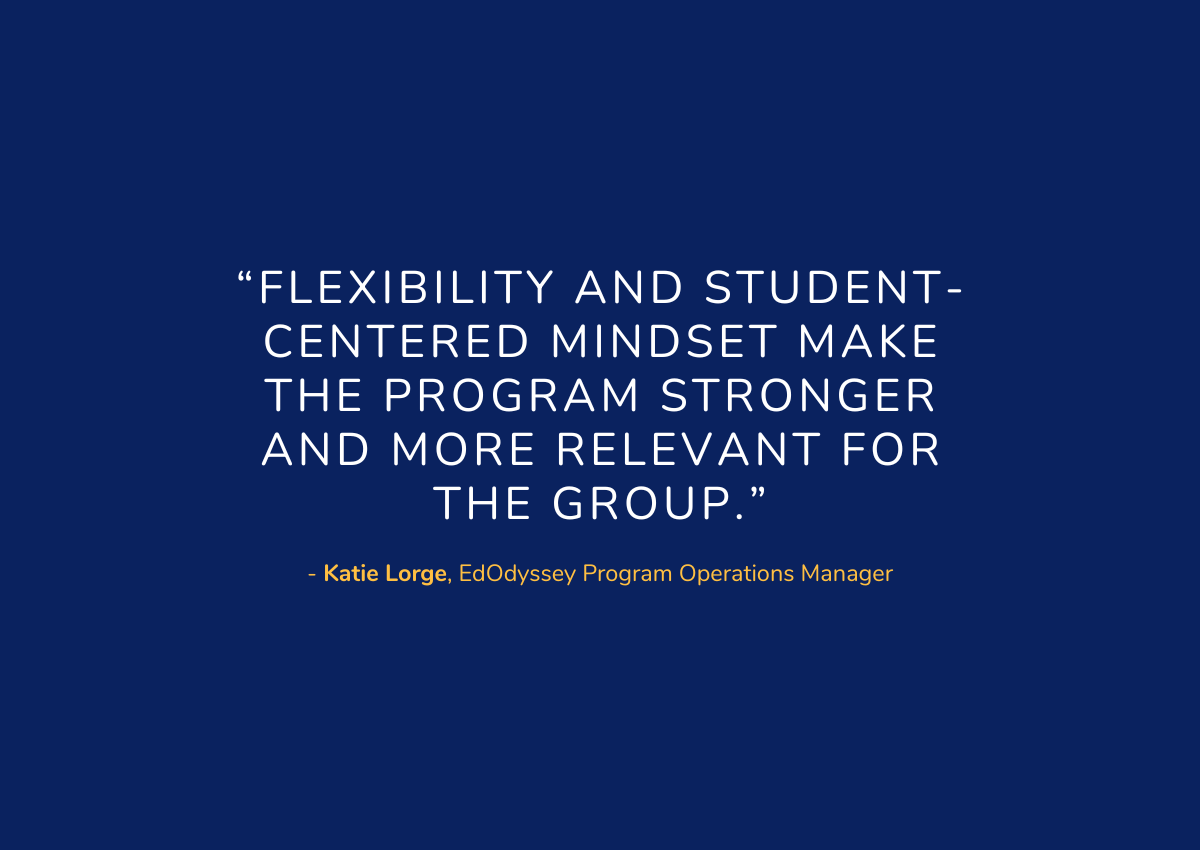
They’re deeply committed to their students’ growth and have even adjusted certain activities to reflect current student interests. That flexibility and student-centered mindset make the program stronger and more relevant for the group.
It’s a great example of what a strong partnership looks like: open communication, shared goals, and a focus on creating an experience that is both educational and personally meaningful for students. And on top of that, they’re simply enjoyable to work with, which makes the entire process more collaborative and positive.
BUILDING PROGRAMS THROUGH PARTNERSHIP
Katie’s perspective reinforces what we know well: the strongest partnerships and programs are collaborative. They are built on shared vision, mutual trust, and a commitment to the best interests of the students.
When faculty bring academic vision and student insight, and we bring destination expertise, local relationships, operational infrastructure, and risk management frameworks, the result is a program that is academically rigorous, logistically sound, personally meaningful, and unforgettable.
And when that collaboration continues year after year, it becomes something even more valuable: a sustained partnership that evolves, improves, and expands student opportunity over time.
For faculty considering a custom program, reach out with confidence that you are gaining a team that is committed to helping you deliver an experience that reflects your goals and supports your students at every stage of their journey.