
Meet Saira Niazi, An EdOdyssey Program Leader in London Who Sees the City Differently
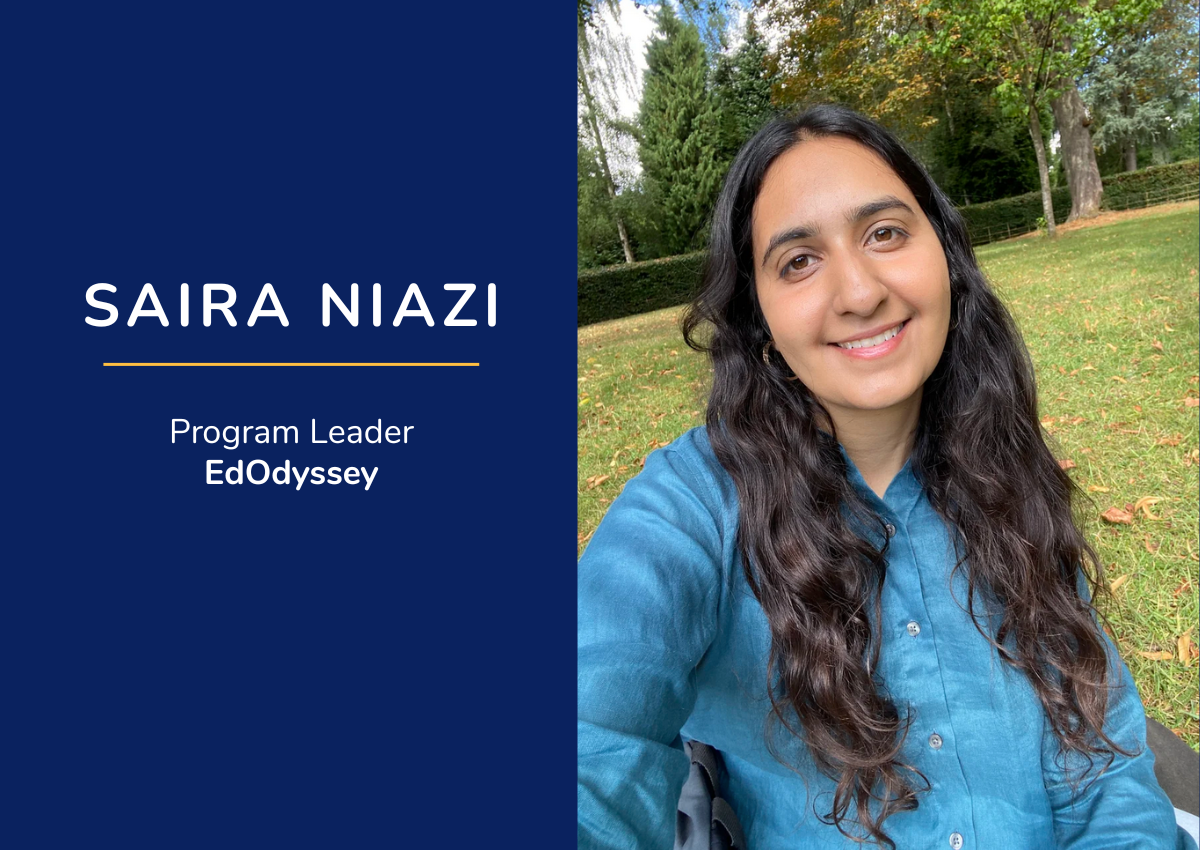
When we think of London, our minds often flood with postcard images of Big Ben and red phone boxes, stories of royals, and the reminder to “Mind the gap,” but EdOdyssey Program Leader Saira Niazi wants students to travel deeper.
A London local who is well-versed in the city’s lesser-known gems and under-told stories, Saira guides students to understand the lived-in and more overlooked areas of the UK’s capital. From exploring hidden memorial gardens to taking time to slow down in community spaces that rarely make it into guidebooks, Saira invites students to notice what is missing as much as what is visible and listen to the layered narratives that make London the city it is today.
In our interview below, Saira notes five hidden gems that can help students begin to understand this global city, talks about a London narrative that’s at risk of being forgotten, and shares the reason why she believes place-based learning is important for students of every age today.
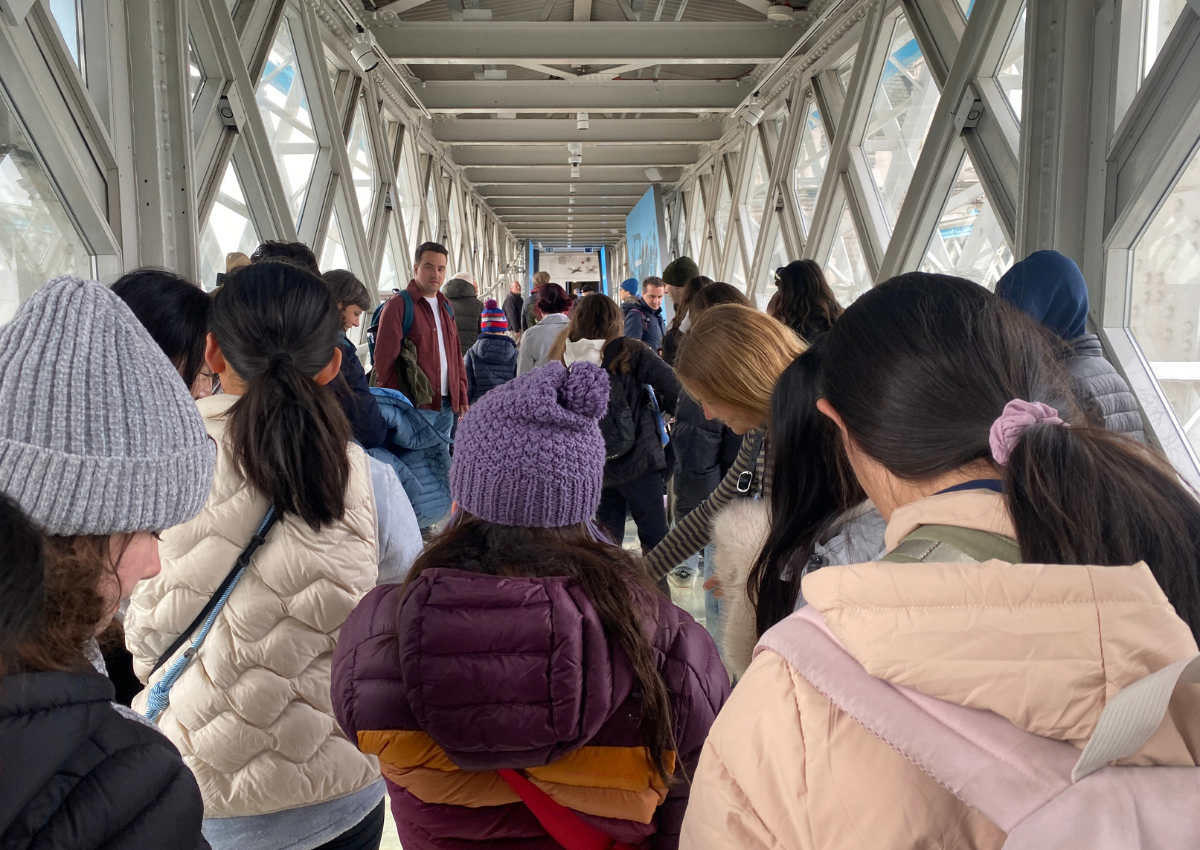
Photo: St. Mary’s Middle School students in London
EDODYSSEY: Tell us about yourself, your work beyond being an EdOdyssey program leader, and the common threads that run through your many projects and collaborations.
SAIRA NIAZI: My name is Saira. I’m a writer, Founder of Living London, and a “renegade” guide. I create and lead “wandering” tours that bring hidden gems to life through storytelling and anecdotes of people and place. I also co-produce stories with and for groups across the UK.
I’ve always been interested in spaces and stories and the way they connect us to ourselves and to each other.
Over the years, I’ve explored, photographed and written about over a thousand hidden gems, from eco-squats to burial grounds. Around 10 years ago, I led my first wandering tour connecting a handful of these. Since then, I’ve led hundreds of tours across London and other places. On my tours, I often seek to enable people to access places they might not feel “are for them.” A tour might take in a canteen and games room for bus drivers, or a cultural community hub, a bingo hall, a sewing machine, a community garden, a cemetery.
As well as leading walks and travel programs, I work as a writer, storyteller and researcher, documenting overlooked or under-told corners of cities - particularly London. My projects often sit somewhere between urban exploration, oral history, and cultural geography.
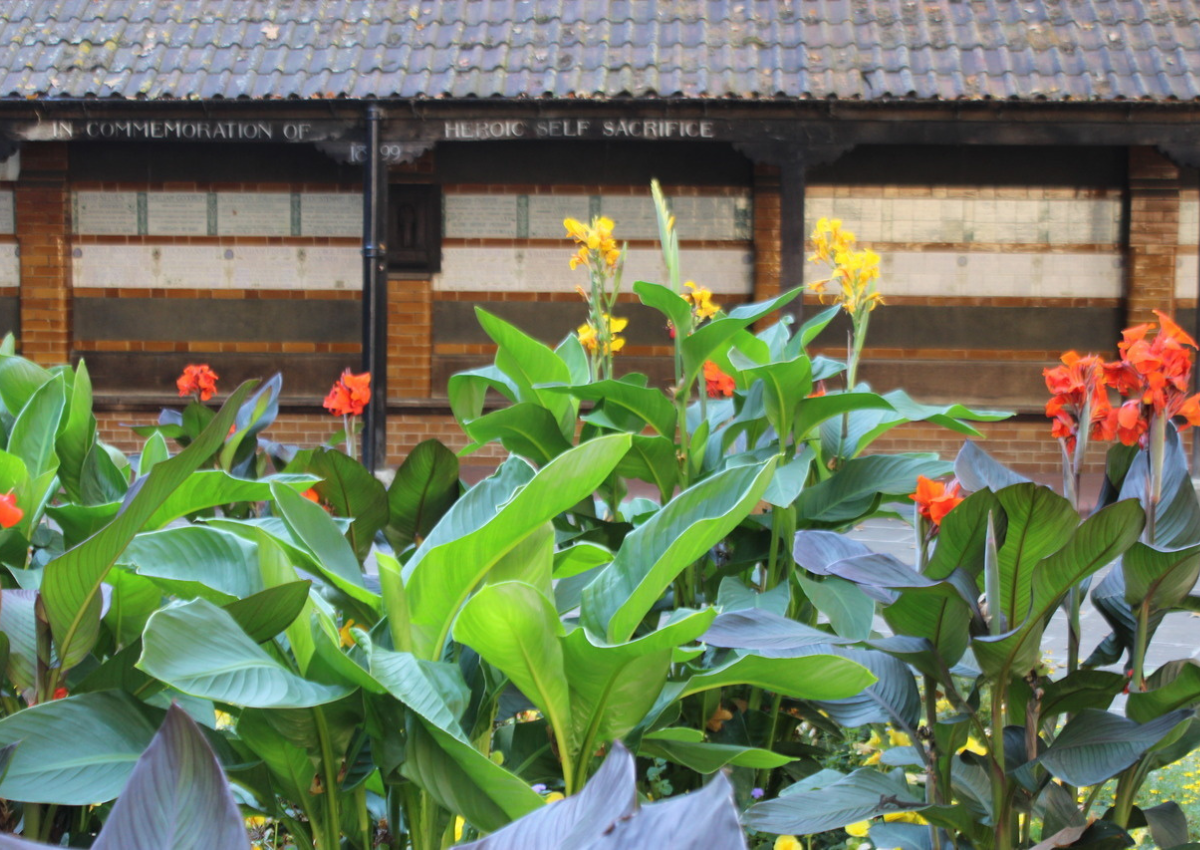
Photo: Postman’s Park
EO: Of the more than 1,000 hidden London gems you’ve explored, photographed, and written about, share five that would help students begin to understand the many complex layers of a city like London.
SN: One of the best ways to understand a city like London is to see its contrasts side by side: its grand landmarks and its quieter spaces, its official history and the stories people tell every day.
A few places that often help students begin to see those layers include:
Postman's Park. A quiet memorial garden that honours ordinary people who died saving others, offering a very human counterpoint to London’s monumental history.
Wilton's Music Hall. One of the oldest surviving music halls in the world, where layers of performance, decay, survival, and reinvention are all visible in the building itself.
Highgate Cemetery. A place where Victorian architecture, cultural memory, and shifting attitudes toward death and legacy intersect.
Black Cultural Archives. A vital space preserving and celebrating Black British history, revealing stories and perspectives that are often underrepresented in mainstream narratives of the city.
Tooting Market. A vibrant, multicultural market that reflects London’s contemporary diversity, where food, commerce, and community life intersect in ever-evolving ways.
Each of these spaces shows that London isn’t one story; it’s hundreds of overlapping ones.
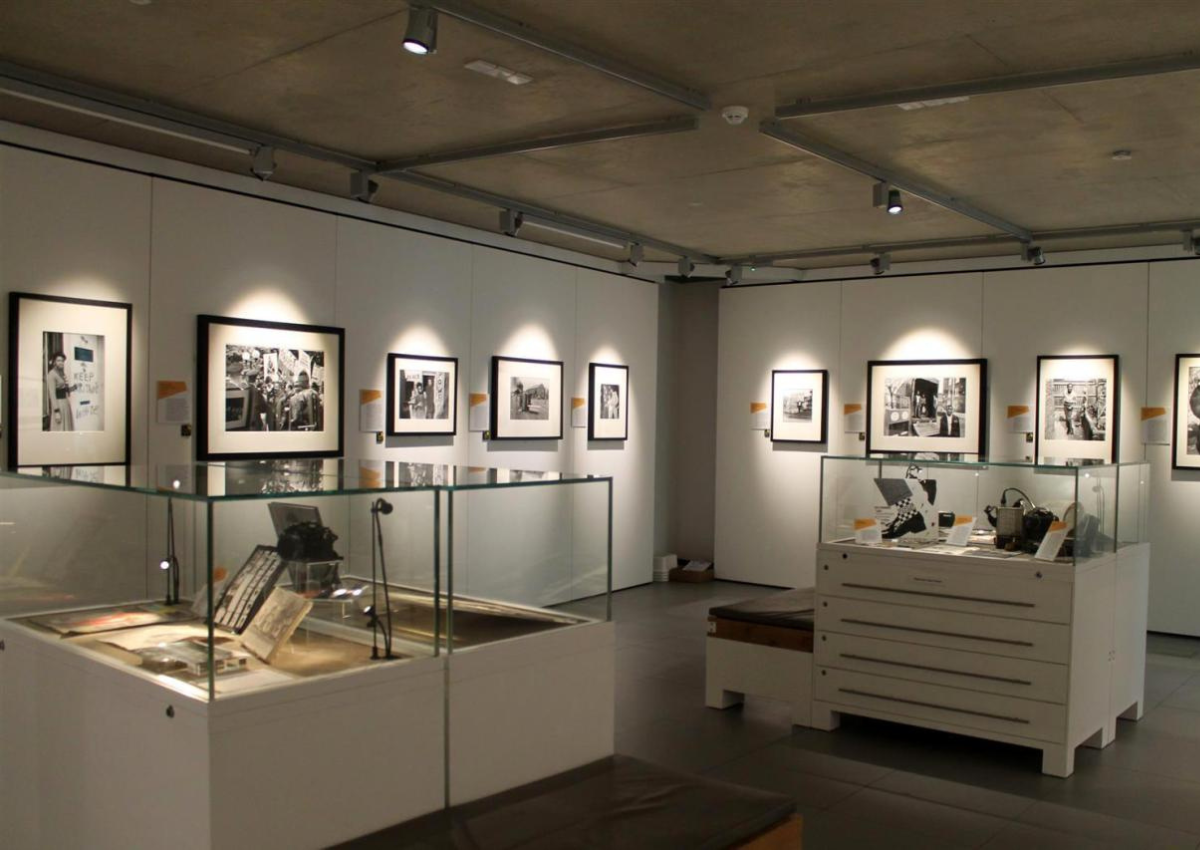
Photo: Black Cultural Archives
EO: One of your superpowers is storytelling. How can sharing narratives give students a deeper understanding of a place? What role does storytelling play in helping students feel a sense of connection or belonging when they are discovering somewhere new?
SN: Storytelling turns information into connection.
A list of facts about a place might be interesting, but a story allows students to enter it. When they hear about a person who once lived on a street, or a moment that unfolded in a square, they begin to see themselves as part of a longer continuum of human experience.
Storytelling also reduces the distance between “visitor” and “place.” It gives students emotional anchors—characters, conflicts, moments of change—that help them orient themselves not just geographically, but personally. That sense of recognition is often the first step toward belonging.
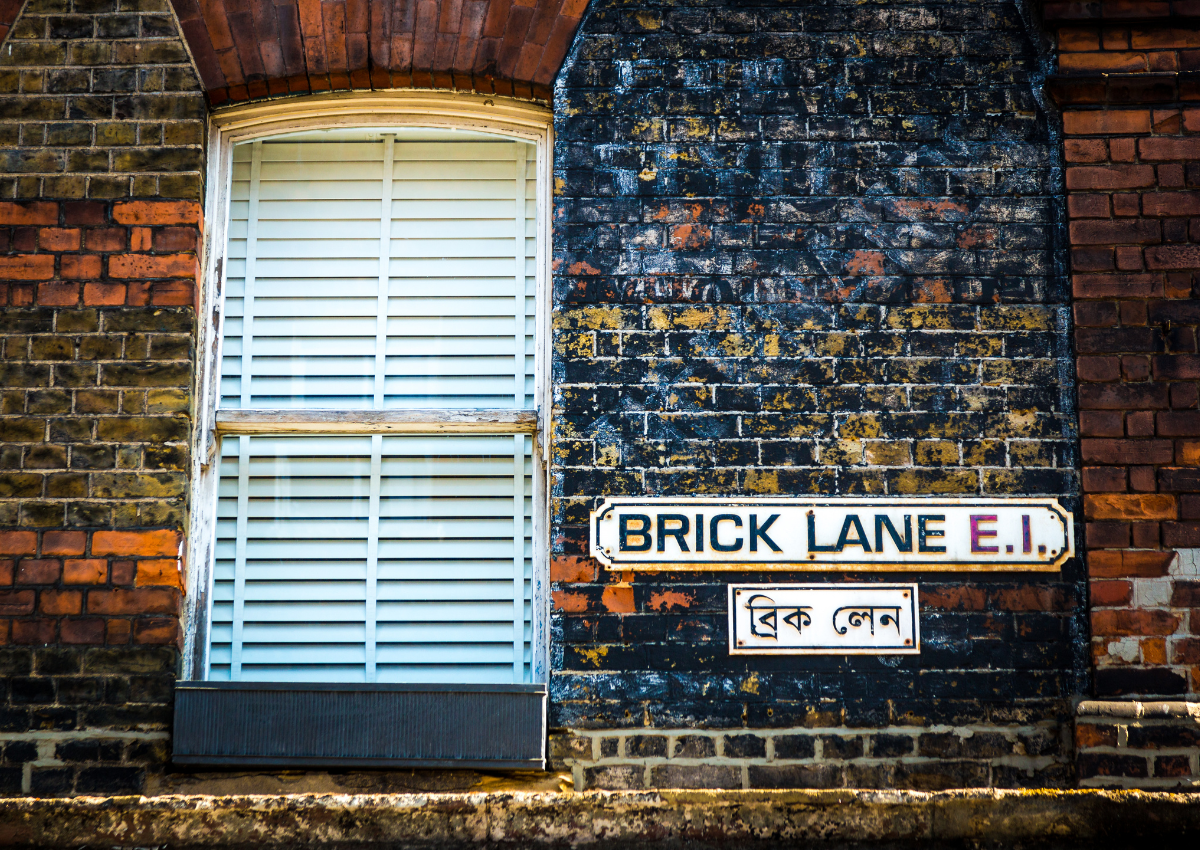
Photo: Brick Lane in East London, an area shaped by immigrant communities
EO: Share an example of a narrative or cross-cultural perspective at risk of being forgotten or erased from London’s history that you’ve been able to communicate with EdOdyssey students.
SN: One example I often share is the history of London’s early immigrant communities who helped shape the cultural and economic fabric of neighbourhoods like the East End long before those stories were widely acknowledged.
In particular, the presence of 19th- and early 20th-century sailors, traders, and labourers from East and South Asia is still underrepresented in many mainstream accounts of London’s development. Their lives were often embedded in dockside districts, lodging houses, and small businesses that have since been erased by redevelopment.
With students, I try to trace these absences in the landscape itself - asking them to notice what is no longer visible, and to imagine the people who once moved through those same streets. It becomes a powerful exercise in reading the city as both archive and omission.
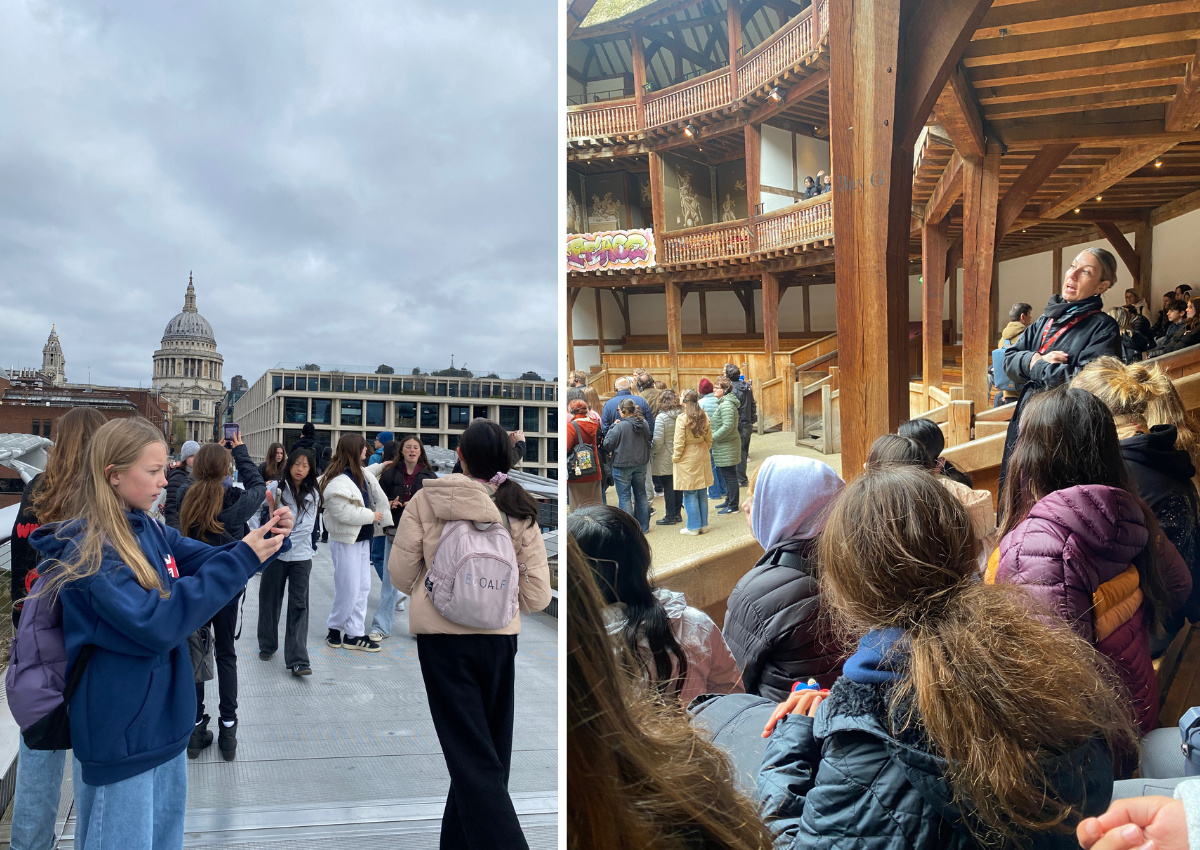
Photos: St. Mary’s Middle School students in London
EO: When you were working with the recent group of middle school students from St. Mary’s school on their visit to London, what did you hope they would notice that they may otherwise have missed without your guidance? Was there a moment during the program where you saw a student’s perspective shift in some way?
SN: When working with the St. Mary’s middle school group, my main hope was that they would discover the real city. London can easily turn into a checklist—famous landmarks, red buses, well-known streets.
We visited Trellick Tower and Meanwhile Gardens, which offered a very different view of London from the usual tourist areas. Being in those spaces helped the students see a more everyday, lived-in version of the city where architecture, community, and daily routines all come together.
As we spent time there, the group became more observant and thoughtful, paying attention to how people actually live in the city. They started to notice who was using the space, how it felt to move through it, and what it might mean to the people who spend time there.
It helped them understand that London isn’t only made up of landmarks. It’s also shaped by the people, places, and everyday moments that are easy to miss if you don’t slow down.
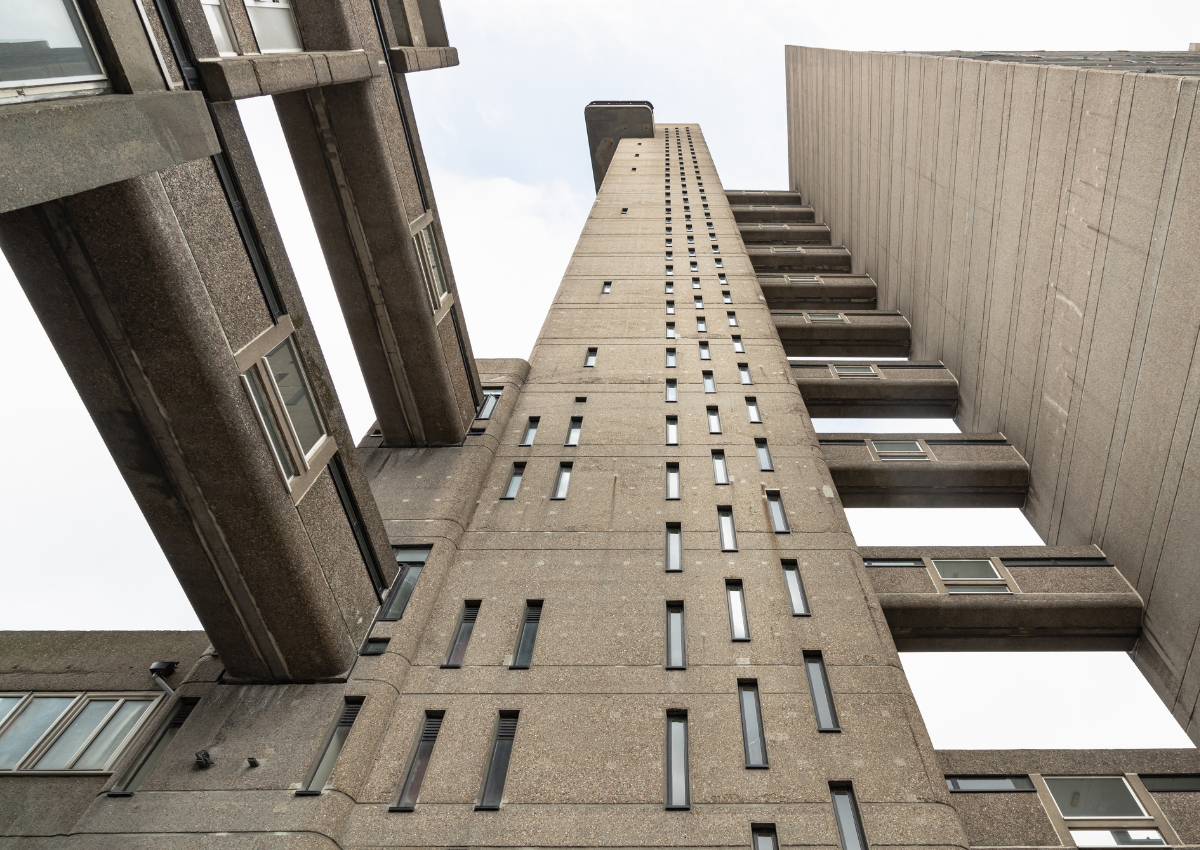
Photo: Trellick Tower
EO: From your perspective, why does place-based learning matter right now for students of any (every!) age?
SN: Place-based learning matters because it connects learning to real life.
Students spend a lot of time online, where everything feels quick and flat. Being in a real place helps them notice more—sounds, spaces, and small details they wouldn’t see on a screen.
It also helps them understand people better. When they see that every street has its own stories—about work, movement, and everyday life—they start to see that places, and people, are more complex than they first seem.
Thanks, Saira!
Curious what an educational travel program could look like for your students? Contact us to explore opportunities in London or discover our other destinations—from Costa Rica to Japan and beyond.