
Costa Rica: Tropical Ecology & Conservation
San José • Monteverde • Pacific Coast | 10-Day Faculty-Led Program
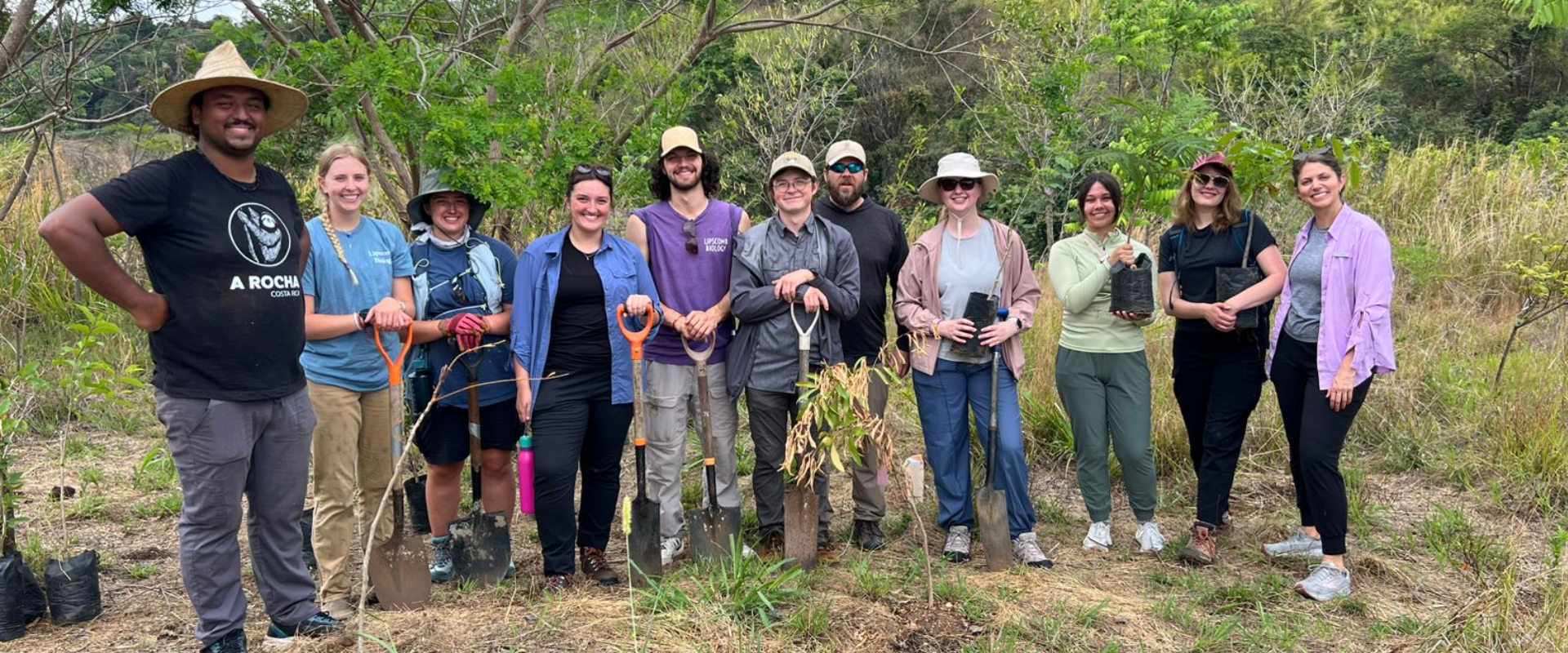
Designed for students in biology, conservation, and related fields, this immersive Costa Rica program explores how culture, sustainability, and conservation intersect within some of the country’s most diverse ecosystems.
Through hands-on field experiences, interactions with local experts, and meaningful conservation activities, students examine the connections between biodiversity, environmental stewardship, local communities, and sustainable practices while gaining a deeper understanding of tropical ecology in real-world settings.
An Immersive Exploration of Tropical Ecology in Costa Rica
What Students Explore
TROPICAL BIODIVERSITY | Examine the remarkable diversity of flora and fauna across Costa Rica’s tropical ecosystems.
FIELD RESEARCH | Apply hands-on field techniques to observe wildlife, investigate freshwater systems, and explore ecological interactions.
CONSERVATION | Engage with conservation efforts and explore the importance of protecting biodiversity and natural ecosystems.
SUSTAINABILITY & CULTURE | Explore how sustainable agriculture, local communities, and cultural practices are connected to environmental stewardship.
ECOSYSTEM CONNECTIONS | Trace the relationships between volcanic landscapes, cloud forests, freshwater systems, rainforests, and coastal environments.
10-Day Itinerary
A Program, Built to Be Customized
This itinerary is designed to show what a Costa Rica Biology, Ecology & Conservation program could look like. Specific activities, organizations, site visits, and sequencing will vary based on your program dates, group size, academic goals, partner availability, time of year, and other local considerations.
We’ll work with your faculty and study abroad team to adapt the program to your course objectives and students. Activities listed below are examples and subject to availability and confirmation.
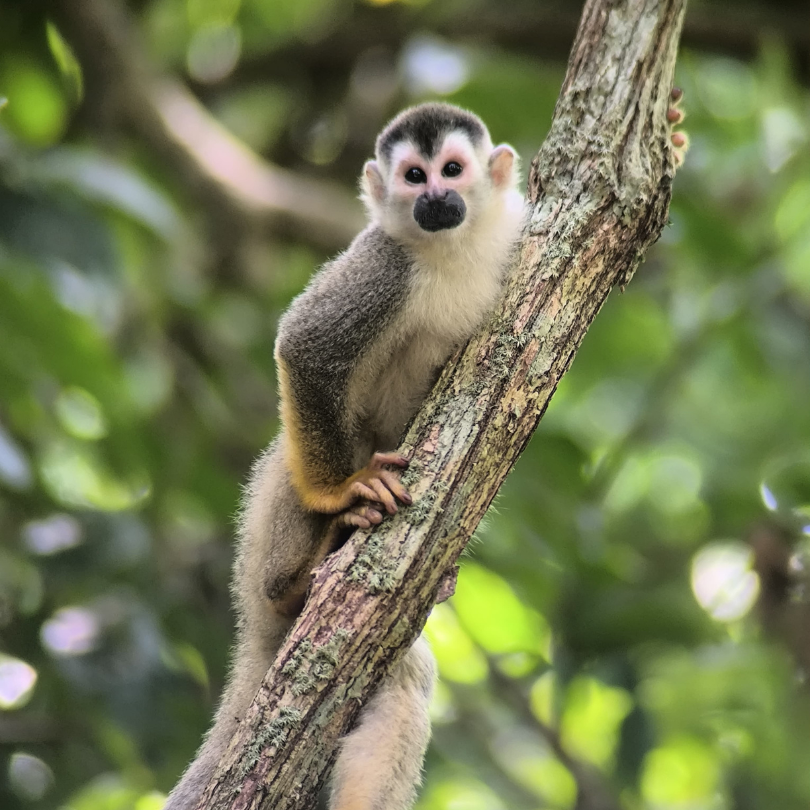
Day 1 | Arrival & Introduction to Tropical Ecology
Arrive in Costa Rica, meet your EdOdyssey Program Leader, and settle into the program with an in-country orientation covering culture, health and safety, transportation, and program expectations.
Students are introduced to the ecological themes they will explore throughout the program before coming together for a welcome dinner.
Sample Experiences:
Arrival orientation • Health & safety • Program introduction • Welcome dinner • Group reflection
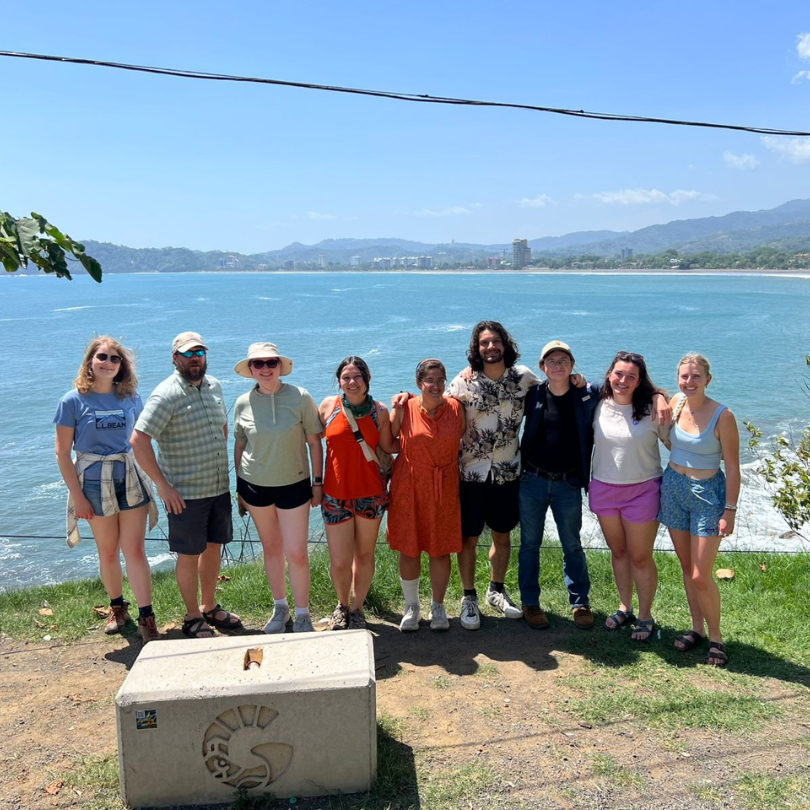
Day 2 | Volcanic Landscapes & Tropical Ecology
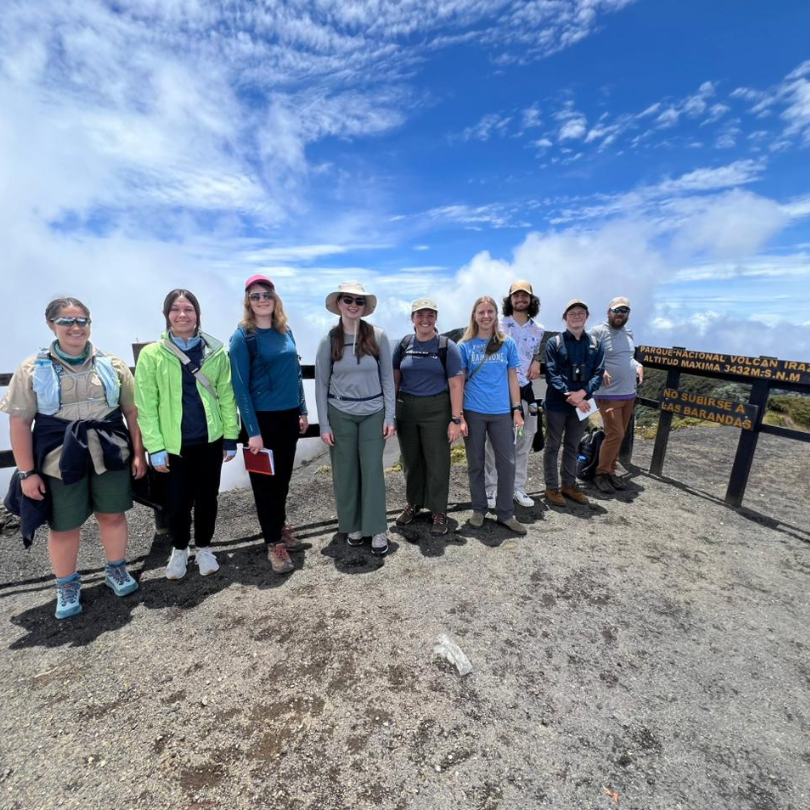
Explore Costa Rica’s volcanic landscapes and examine how geology, elevation, and climate influence tropical ecosystems
Students then venture into the rainforest after dark to observe nocturnal wildlife and learn about field research techniques used to study tropical biodiversity.
Sample Experiences:
Irazú Volcano • High-altitude ecosystems • Tropical biodiversity • Guided night exploration • Wildlife observation • Bat research
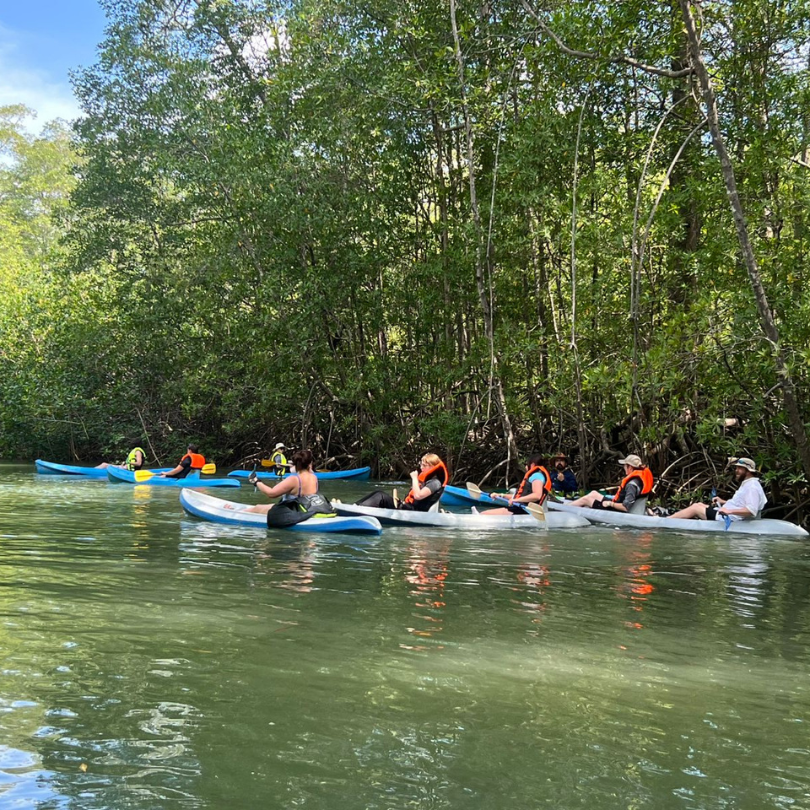
Day 3 | Service Learning & Freshwater Ecology
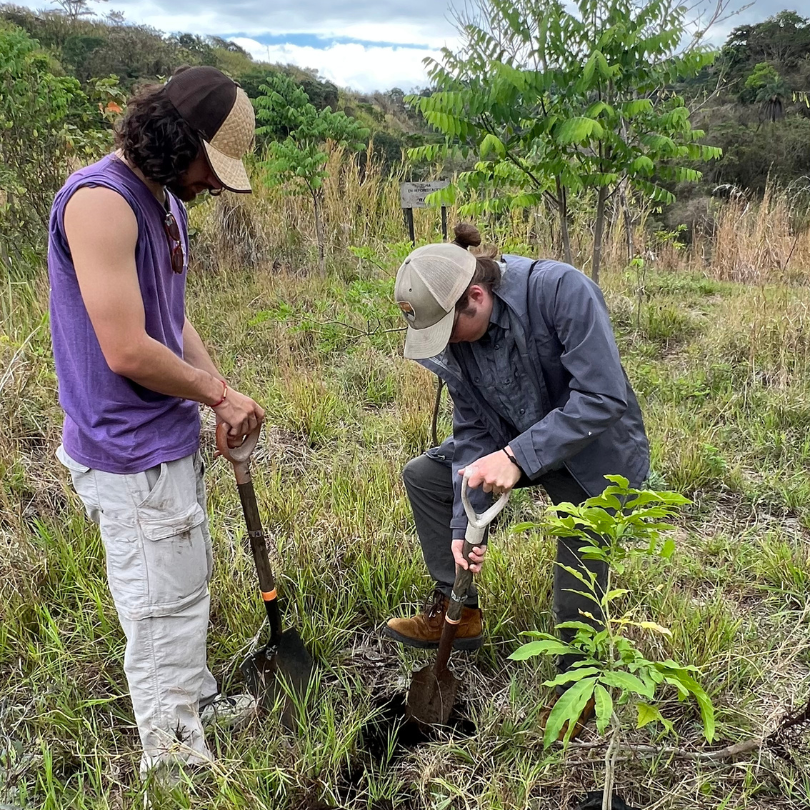
Students participate in a conservation project while learning about the importance of healthy ecosystems and environmental stewardship. The day continues with hands-on freshwater ecology activities, allowing students to investigate water quality, aquatic biodiversity, and the role of freshwater systems within tropical environments.
Sample Experiences:
Conservation project • Reforestation • Stream sampling • Water quality • Aquatic biodiversity • Field research
Day 4 | Sustainable Agriculture & Cloud Forests
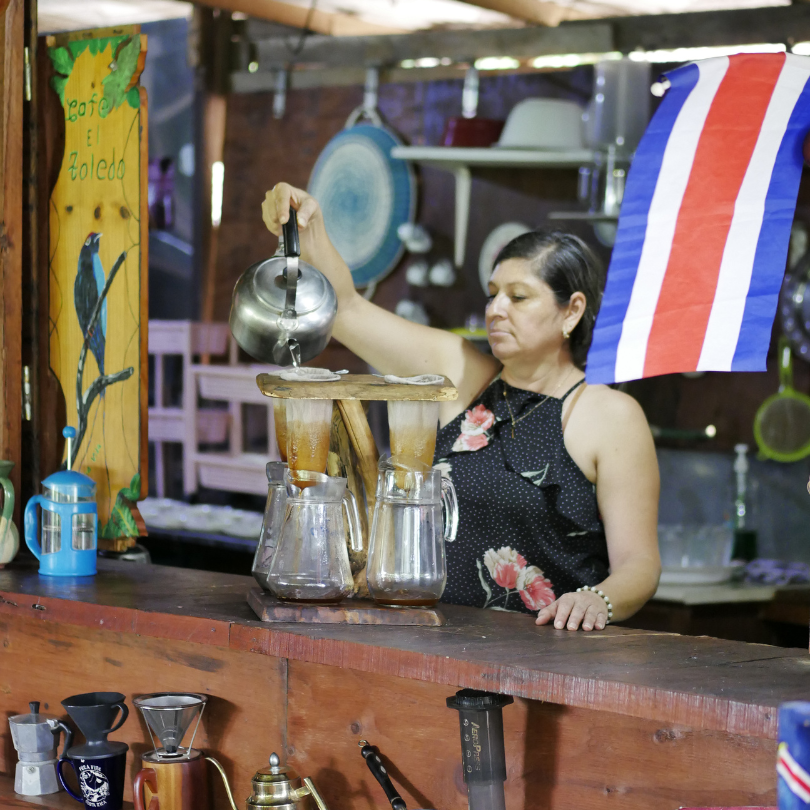
Discover the relationship between agriculture, sustainability, and tropical ecosystems through an exploration of environmentally responsible farming practices. Students then travel toward the cloud forest, learning about this unique ecosystem and its importance to biodiversity conservation and scientific research.
Sample Experiences:
Sustainable agriculture • Coffee production • Environmental stewardship • Cloud forest introduction • Biodiversity conservation
Day 5 | Cloud Forest Biodiversity
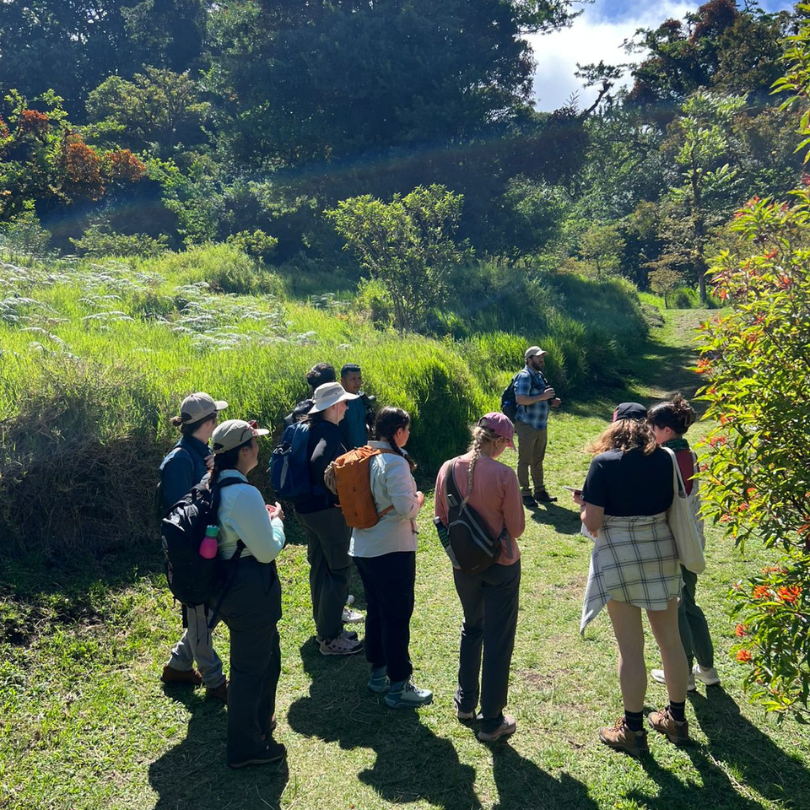
Spend the day immersed in one of Costa Rica’s most biodiverse ecosystems. Alongside a local naturalist, students explore the forest’s unique flora and fauna while examining ecological interactions and adaptations. An evening guided hike provides a different perspective on the forest and its nocturnal wildlife.
Sample Experiences:
Cloud forest exploration • Flora & fauna • Naturalist-led learning • Biodiversity • Nocturnal ecology • Wildlife observation
Day 6 | Independent Exploration & Adventure
Students have a flexible day to continue discovering the cloud forest through a selection of nature-based and adventure activities. This provides an opportunity for personal exploration while encouraging students to observe, reflect on, and connect with the ecosystems they have been studying.
Sample Experiences:
Nature-based activities • Forest exploration • Canopy experiences • Wildlife observation • Personal exploration
Day 7 | From the Mountains to the Pacific Coast
Travel from Costa Rica’s mountain forests toward the Pacific coast, experiencing the country’s remarkable ecological transitions along the way. Students observe how changes in elevation, climate, and geography influence landscapes and habitats as they move from the cloud forest toward tropical coastal environments.
Sample Experiences:
Ecological transitions • Mountain-to-coast landscapes • Tropical environments • Coastal ecosystems • Wildlife observation
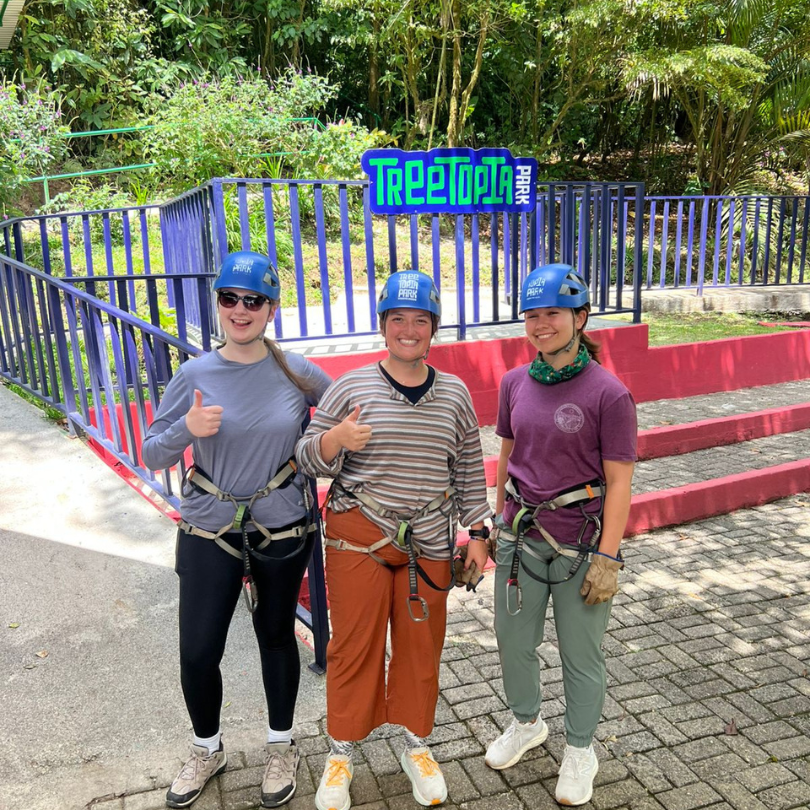
Day 8 | Tropical Rainforest & Coastal Biodiversity
Explore a protected tropical environment alongside a local naturalist. Students observe rainforest wildlife and tropical vegetation while examining the relationship between terrestrial and coastal ecosystems. Guided interpretation helps connect field observations with broader concepts in biodiversity and conservation.
Sample Experiences:
Protected natural area • Tropical rainforest • Wildlife • Tropical vegetation • Coastal ecosystems • Conservation
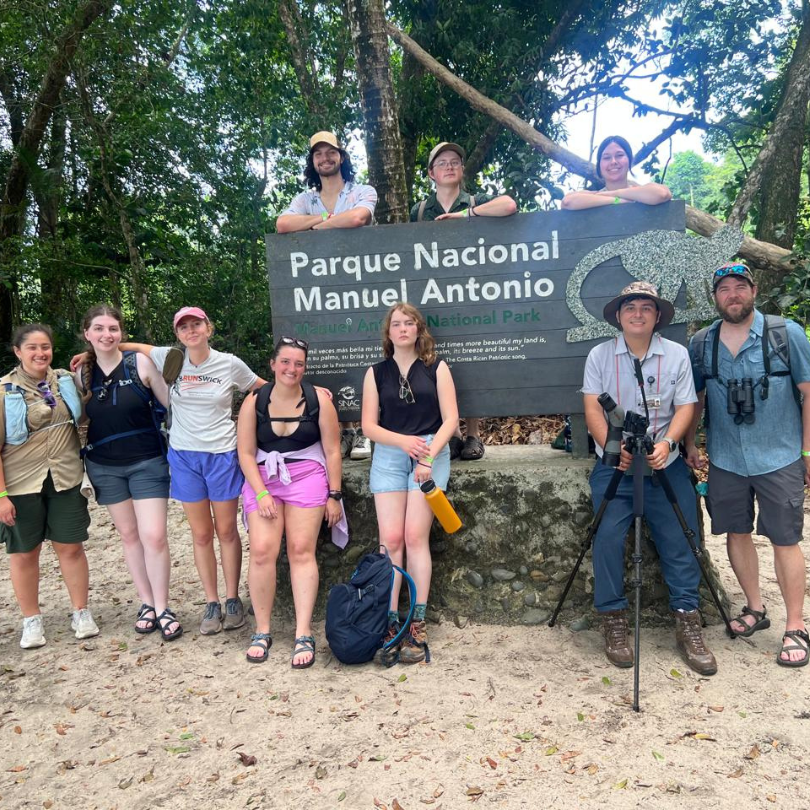
Day 9 | Mangrove Ecosystems & Program Reflection
Discover the ecological importance of mangrove wetlands through a guided kayak experience. Students learn about estuarine ecosystems, wildlife habitats, biodiversity, and the role mangroves play in supporting coastal communities. The program concludes with a farewell dinner and group reflection, allowing students to connect their field experiences with broader themes in tropical ecology and conservation.
Sample Experiences:
Mangrove ecosystems • Kayaking • Estuarine ecology • Wildlife habitats • Coastal conservation • Group reflection • Farewell dinner
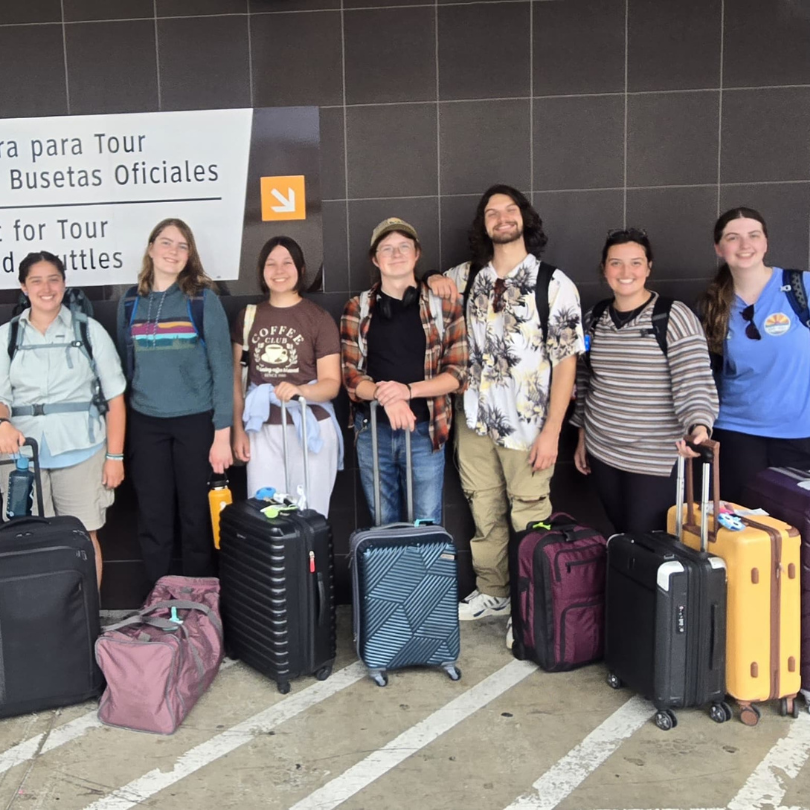
Day 10 | Departure
Depart Costa Rica with a deeper understanding of tropical ecosystems, biodiversity, conservation, and sustainable environmental stewardship, as well as hands-on field experiences that connect classroom learning with real-world environments.
Sample Experiences:
Breakfast • Airport transfer • Departure
Make this program your own
Start Here. Then Shape Around Your Course.
This itinerary is a starting point. Depending on your goals, we can place greater emphasis on areas such as:
Ecology & Biodiversity
Tropical ecosystems • Species diversity • Wildlife • Ecological interactions
Conservation & Environmental Science
Habitat protection • Conservation strategies • Field research • Environmental stewardship
Sustainability
Sustainable agriculture • Natural resource management • Environmental practices • Community resilience
Environmental Studies
Culture and environment • Human-environment relationships • Environmental challenges • Local perspectives
We can also adjust the program length, locations, site visits, cultural activities, reflection, community engagement, accommodations, meals, and level of EdOdyssey Program Leader support.
Could this work for your students?
Use this program as your starting point or tell us what you’d change. We’ll work with you to align the itinerary with your course objectives, students, preferred dates, group size, and budget.
Have a different academic focus in mind?