Behind Every Program: The Community Collaborators Who Make Learning Meaningful
Program design at EdOdyssey doesn’t begin with the itinerary or the logistics. It begins with relationships: the people in our local communities who bring learning to life for our students.
Behind each site visit, workshop, guest speaker, and other community engagement opportunities that you find on your itinerary is a network of local partners who open their doors, share their work and perspectives, and invite students into their lived realities. These individuals—educators, artisans, community leaders, researchers, and other hosts—are the real power in experiential learning. They connect students in an authentic way to the local experience and the place they are visiting.
Below, we take a closer look at how community collaboration shows up across a few of our cornerstone destinations and why those partnerships are so fundamental in all EdOdyssey programs.
COMMUNITY AS CURRICULUM
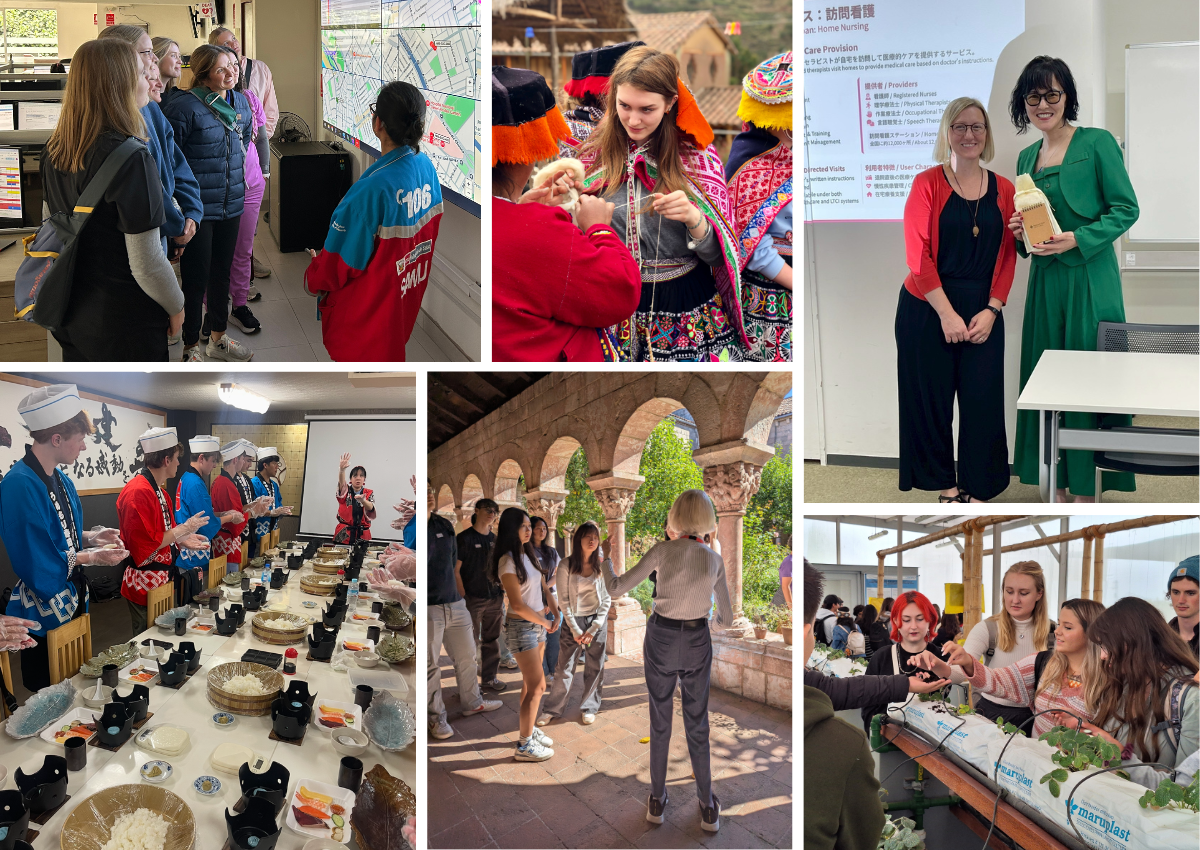
All of our programs are built around our 4P Framework: People, Place, Purpose, and Perspective. While each pillar is essential, it is People who often set the tone. Local collaborators provide students with context for their learning, bring unique perspectives to discussion topics, and provide the experience with more credibility and authenticity. Students are actually listening, learning, and contributing thoughtfully in reciprocal relationships in real-world settings. This allows academic concepts to become grounded in lived experiences, and students are able to extend their learning to another level, taking it beyond simple observation and into genuine engagement.
JAPAN: LEARNING THROUGH GUIDANCE AND GENEROSITY
In Japan, local collaborators play a key role in helping students navigate a complex culture that is often much different from their own.
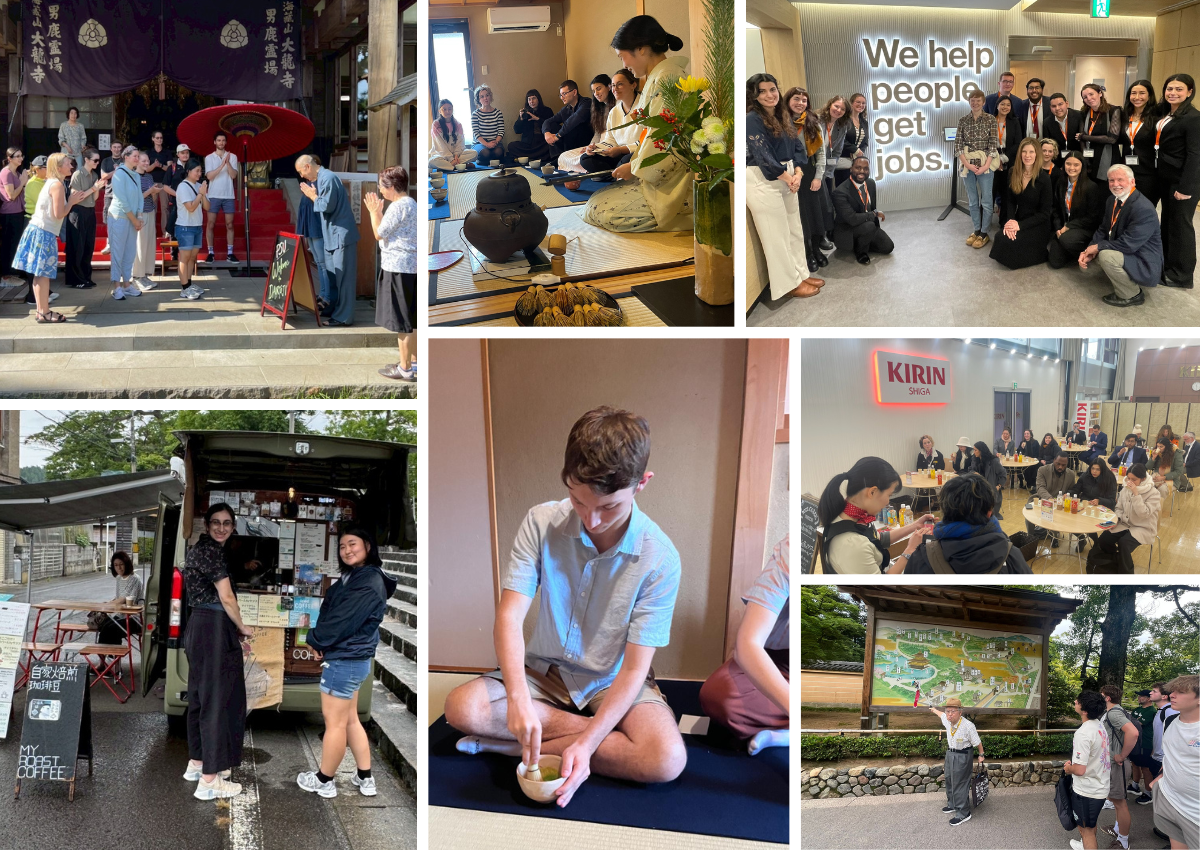
One example is Eiko Ito-san, our Japanese etiquette coach who works closely with students to help them understand the cultural norms, expectations, and unspoken social cues that shape daily life in Japan. Her guidance allows students to move through academic, professional, and community settings with greater awareness and respect, which sets the stage for more meaningful interactions to follow.
Beyond individual mentors, students engage with a wide range of community members depending on their learning outcomes and the main topic of their program. This might be anyone from business leaders at international companies to older adults at community centers, each of whom is able to offer a different lens into contemporary Japanese society. Whether students are in Tokyo, Akita, Kyoto, or Hiroshima, these encounters remove abstraction and help them see Japan not just as a collection of famous landmarks but as an interconnected network of people, histories, and cultural norms.
ITALY: LEARNING THROUGH LOCAL EXPERTISE AND TRADITIONS
Italy has long been one of our most established destinations, in large part because of the depth of our local partnerships.
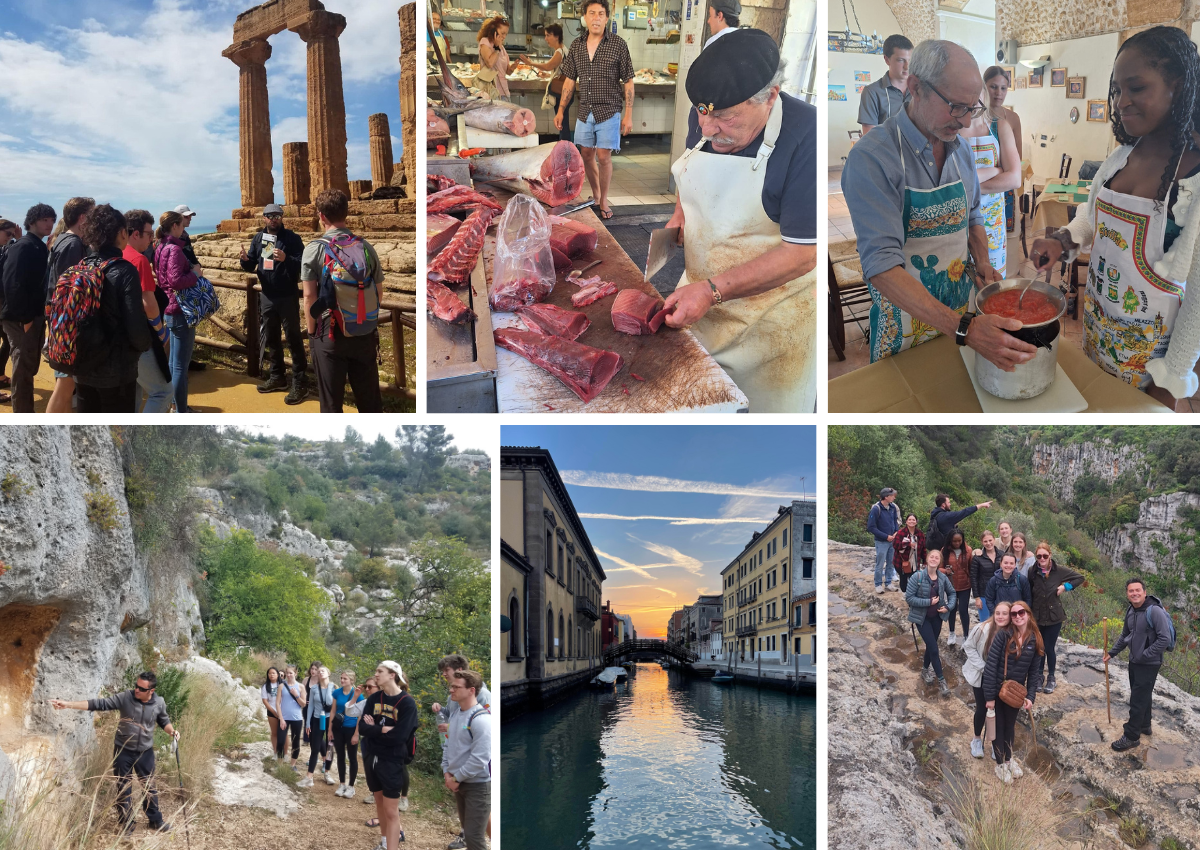
Students here connect directly with individuals whose work reflects some of the wider social, environmental, and cultural systems. For example, in Sicily, a family winemaker explains how volcanic soil shapes agricultural practices and regional food systems. In Florence’s Oltrarno neighborhood, an artisan invites students into a workshop where centuries-old craft traditions are still practiced daily.
These interactions with people who are actively preserving and adapting tradition aren’t just staged for visitors, but take place in real working environments. Students are able to not only observe but also ask questions and begin to understand how history, labor, sustainability, and identity all come together to play a role in the lives of Italian locals. Through the eyes of community members, students also gain valuable insight into Italy as a country that extends far beyond what tourists typically see of its visual beauty or learn about its historical reputation.
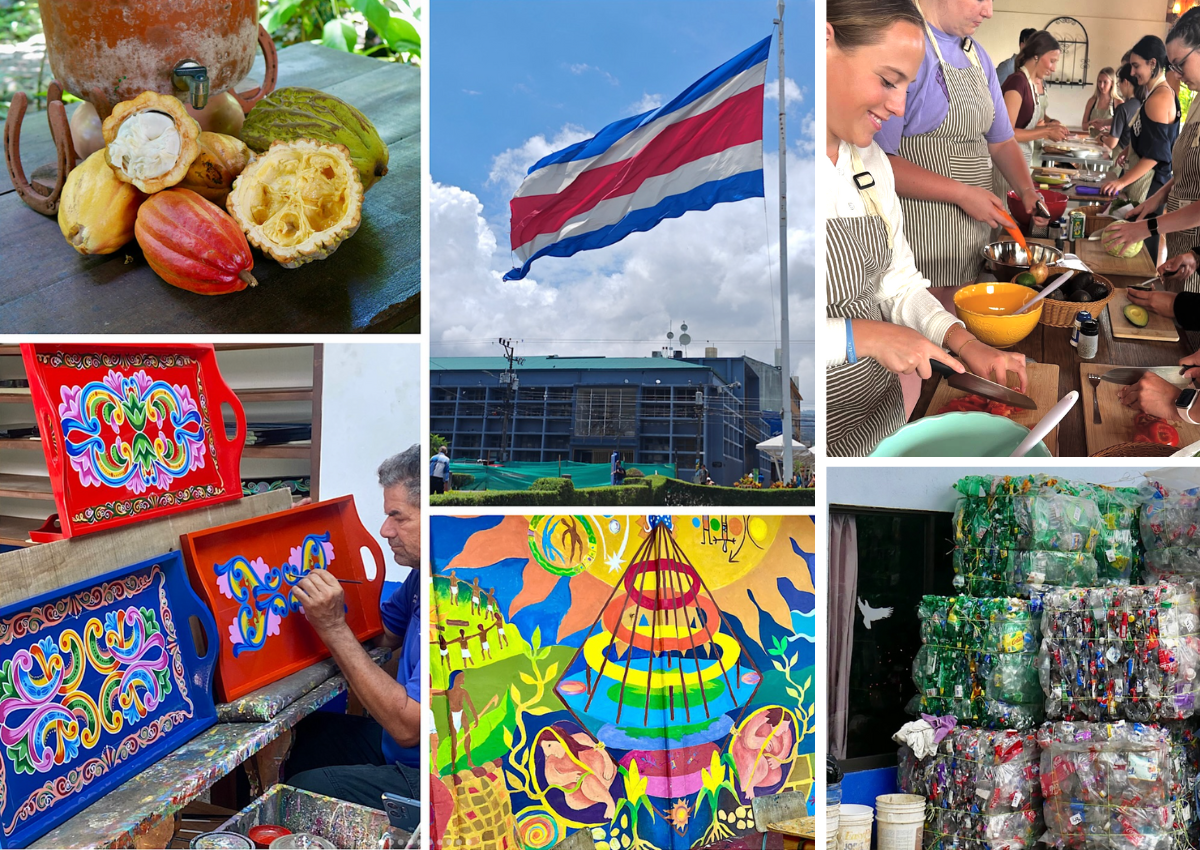
COSTA RICA: LEARNING THROUGH COMMUNITY CONNECTIONS
In Costa Rica, our partnerships highlight the power of community leadership and collective knowledge.
In San Ramón de La Virgen de Sarappiquí, students spend time in a rural town where a women-led cooperative drives community-based tourism. Here, learning unfolds through shared meals, conversations, and the rhythms of daily life. Students hear directly about what it’s like to live in a rural environment, how sustainability becomes a lived practice, and the importance of support networks and close-knit communities in the local culture.
Other programs connect students with Costa Rican health professionals, Indigenous leaders, and environmental advocates. Each of these collaborators helps students explore the topic of their program on a deeper level, from public health systems to biodiversity conservation, to sustainable development through hands-on experiences and real conversations. Students leave the country with a better understanding of how it is shaped by the people who live and work in these established systems daily, and an experience that takes them beyond simplified stories and encourages them to reflect in a more profound way than any classroom lesson could.
WHY EDODYSSEY’S COMMUNITY PARTNERSHIPS MATTER FOR YOU
Our collaborations in local communities are what make these experiences so powerful for students.
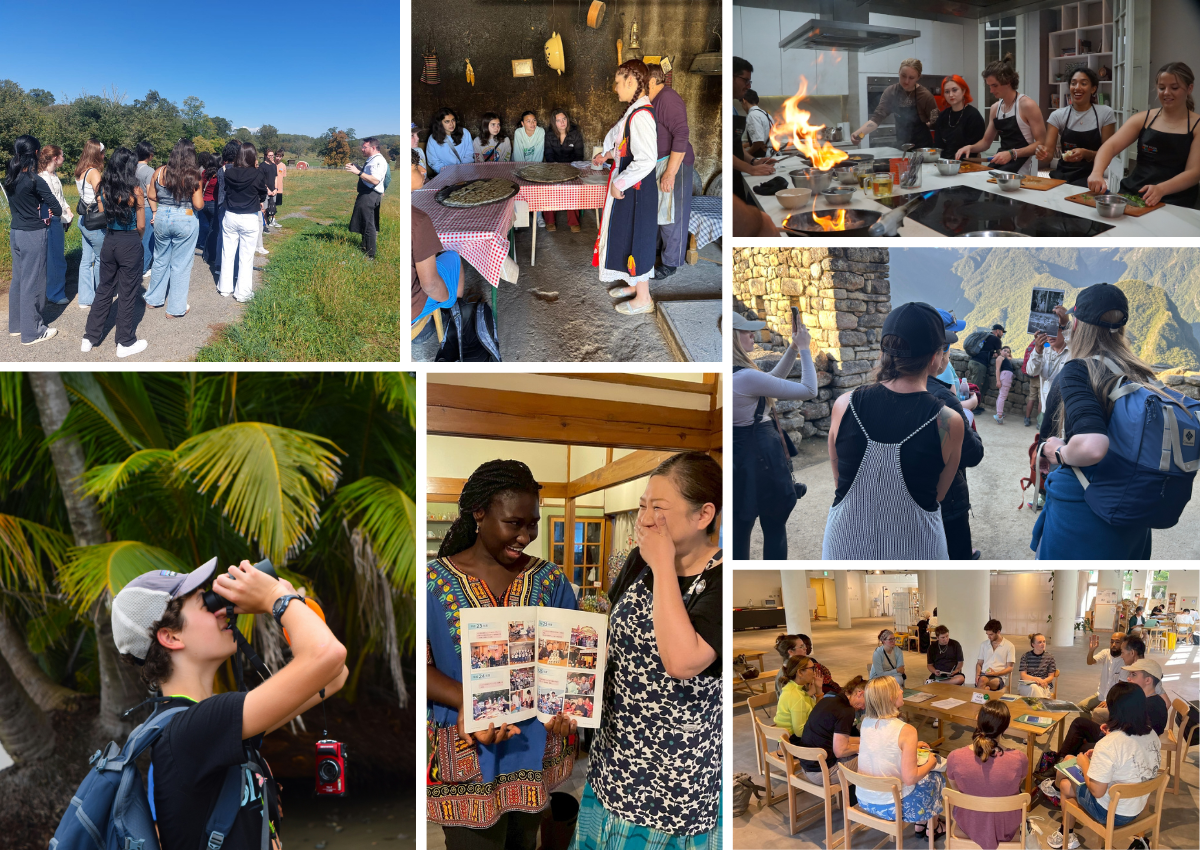
They ensure that your students are learning in a way that is contextualized by connections to real-world experiences, ethical in that it's built on a foundation of respect and reciprocity that comes from long-term relationships, and transformative because it encourages students to question assumptions and see themselves within wider global perspectives.
We take care to thoughtfully design community interactions that connect to learning outcomes and take care of the logistics so our faculty leaders can focus on the academic side of the experience that goes hand-in-hand with experiential education.
ENTERING 2026 WITH GRATITUDE AND EXCITEMENT
We are deeply grateful to the individuals and communities in Japan, Italy, Costa Rica, and across all EdOdyssey destinations who welcome our students with generosity and openness. Their time, insight, and willingness to engage are what make each program possible—and what make each experience meaningful.
These partnerships allow students to move beyond textbooks and into real-world learning to understand how communities live, work, and solve challenges. They gain perspective, context, and understanding that extend into the real world and across borders.
If you’re considering experiential learning, reach out to start a conversation. Built into our itineraries, we design—and manage the logistics of—interactions with the communities in our destinations that align with your academic goals and leave a lasting impact on your students. We’d love to tell you more.