
Peru: Sustainability, Food Systems & Indigenous Knowledge
Lima • Sacred Valley • Cusco | 10-Day Faculty-Led Program
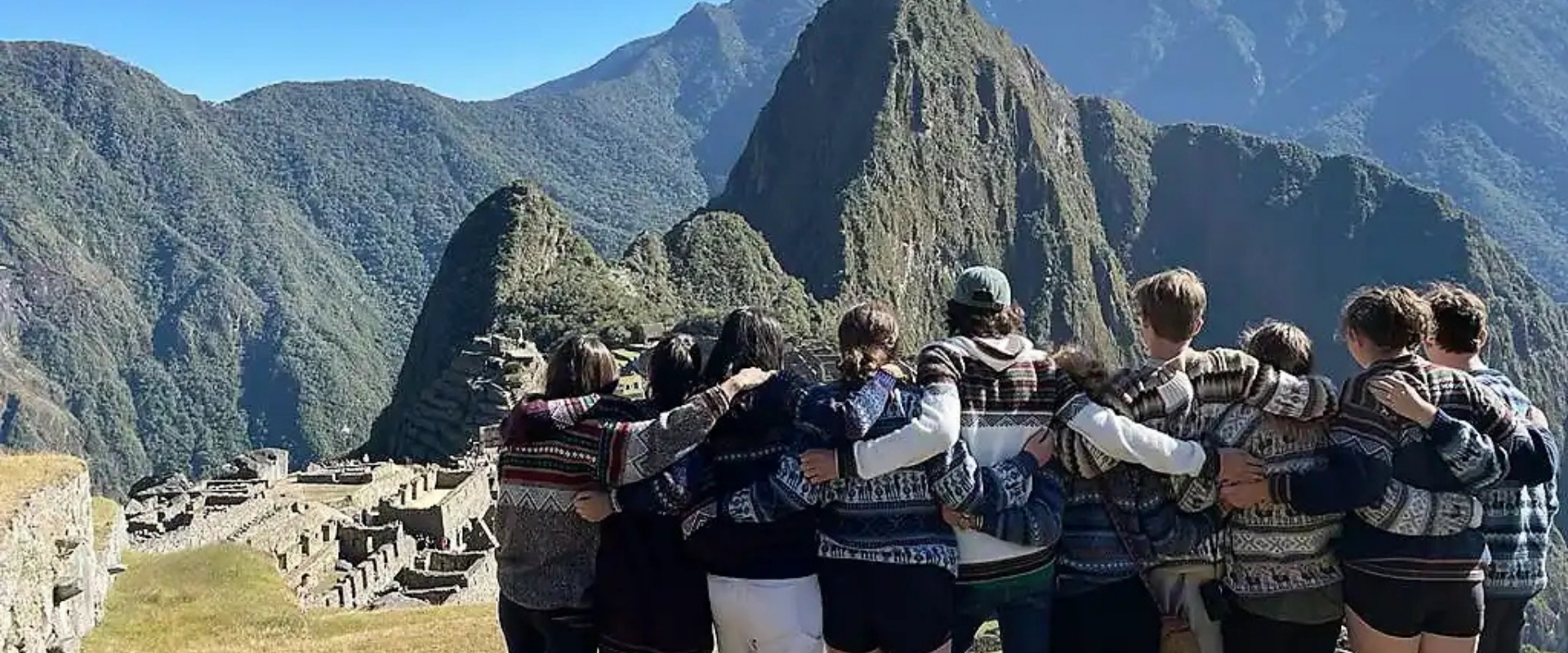
Designed for students in sustainability, environmental studies, agriculture, food systems, anthropology, international development, and related fields, this immersive program explores how Peru's communities have adapted food production and land management to dramatically different environments.
Traveling from coastal Lima into the Andes, students examine the connections between biodiversity, agriculture, climate, culture, and community. Through markets, farms, community engagement, archaeological landscapes, and conversations with local experts, students consider what Indigenous knowledge and contemporary innovation can teach us about creating more resilient food systems.
An Immersive Exploration of Sustainability & Food Systems in Peru
What Students Explore
FOOD SYSTEMS | Trace connections between agriculture, markets, cuisine, livelihoods, and the communities that produce and consume food.
INDIGENOUS KNOWLEDGE | Explore how generations of Andean knowledge continue to shape agriculture, land management, food, and relationships with the environment.
BIODIVERSITY & AGRICULTURE | Examine Peru's extraordinary crop diversity and the importance of potatoes, corn, quinoa, and other native foods to culture and food security.
CLIMATE & SUSTAINABILITY | Consider how farmers and communities are responding to changing environmental conditions while protecting natural and cultural resources.
CULTURE & COMMUNITY | Investigate how food connects identity, family, tradition, economic opportunity, and community wellbeing.
10-Day Itinerary
A Program, Built to Be Customized
This itinerary is designed to show what a Peru Sustainability, Food Systems & Indigenous Knowledge program could look like. Specific farms, community engagements, workshops, guest speakers, and site visits will vary based on your program dates, group size, academic goals, and local availability.
We'll work with your faculty and study abroad team to adapt the program to your course objectives and students. Activities can place greater emphasis on sustainability, agriculture, environmental studies, food systems, anthropology, Indigenous studies, climate change, or international development.
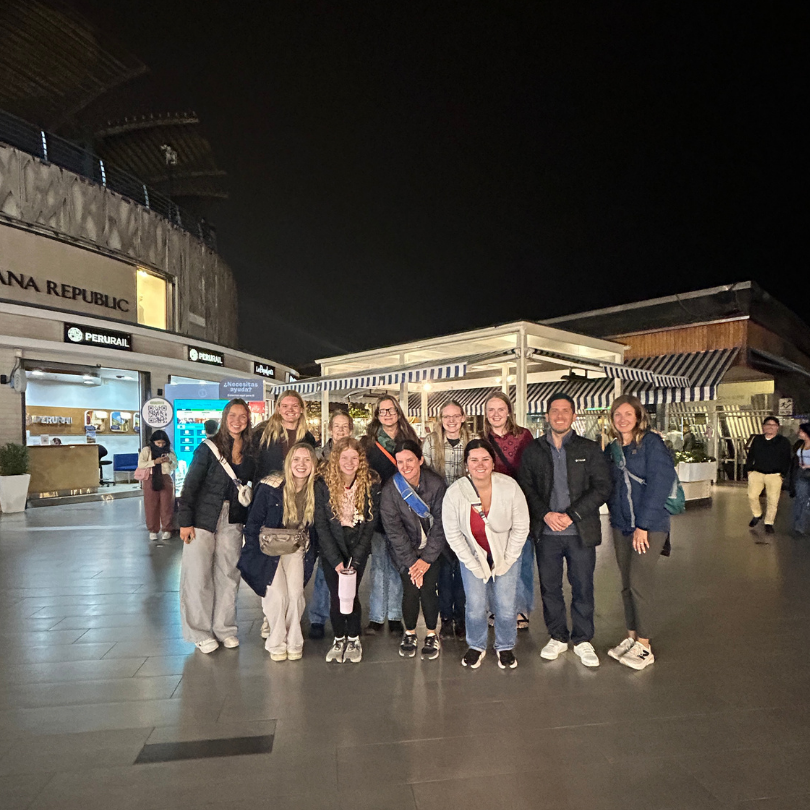
Day 1 | Arrival & Introduction to Peru
Arrive in Lima and begin exploring health through a Peruvian cultural lens.
Meet your EdOdyssey Program Leader and participate in an orientation introducing Peru's diverse geography, cultural history, and food systems. Gather for a welcome dinner that introduces students to ingredients and culinary traditions they will encounter throughout the program.
Sample Experiences:
Arrival orientation • Introduction to Peru • Food systems training • Welcome dinner
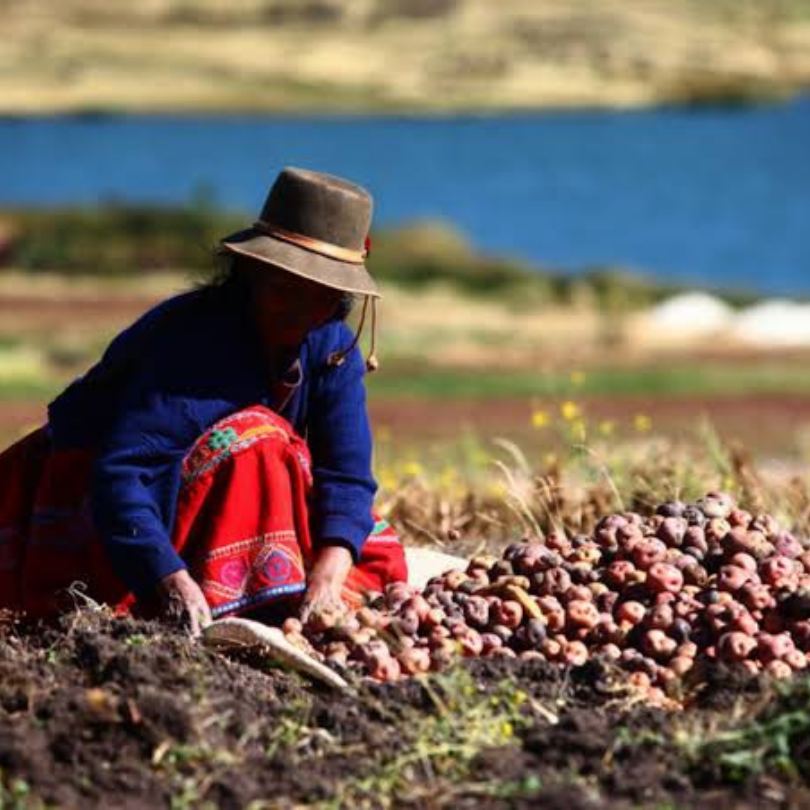
Day 2 | From Farm to City
Visit a local market and explore Lima through the lens of food production, distribution, consumption, and culture. Meet with a food systems expert, organization, chef, producer, or entrepreneur to consider how urbanization and changing consumer preferences affect what people grow and eat.
Sample Experiences:
Local market • Peruvian ingredients • Food distribution • Local expert engagement • Culinary culture
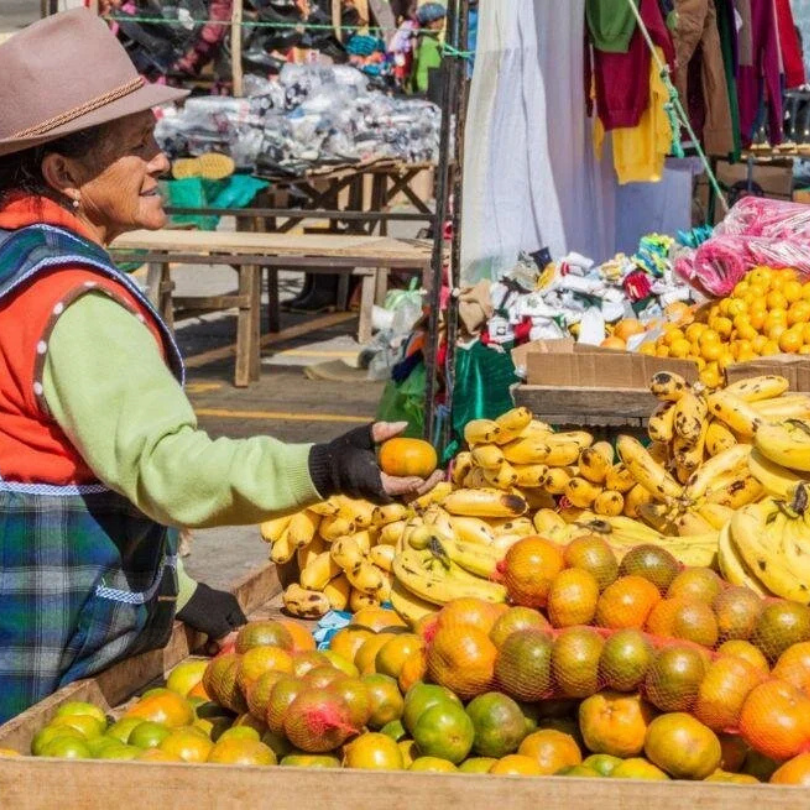
Day 3 | Food, Biodiversity & Sustainability
Explore the connections between Peru's extraordinary ecological diversity and its cuisine. Students consider biodiversity, native crops, fisheries, changing diets, sustainability, and the ways chefs and producers can influence how consumers value local ingredients.
Sample Experiences:
Biodiversity • Native foods • Sustainable food systems • Culinary experience • Expert discussion
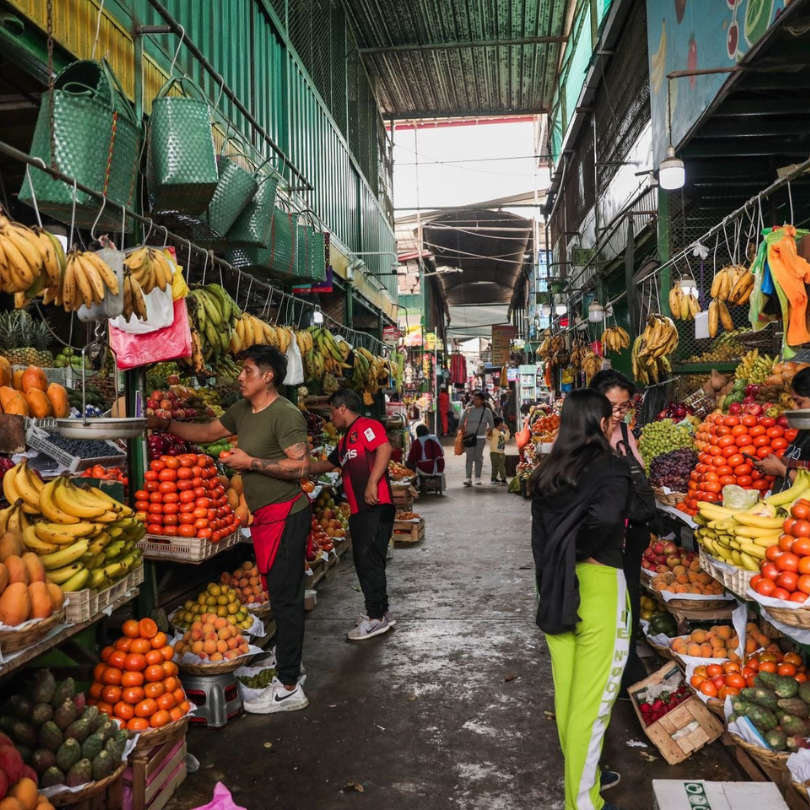
Day 4 | Lima to the Sacred Valley
Fly to Cusco and continue into the Sacred Valley. As the landscape changes dramatically, students begin examining how altitude, climate, water, and topography influence what communities can grow and how they farm.
Sample Experiences:
Flight to Cusco • Sacred Valley orientation • Andean ecosystems • Agriculture & altitude • Landscape observation
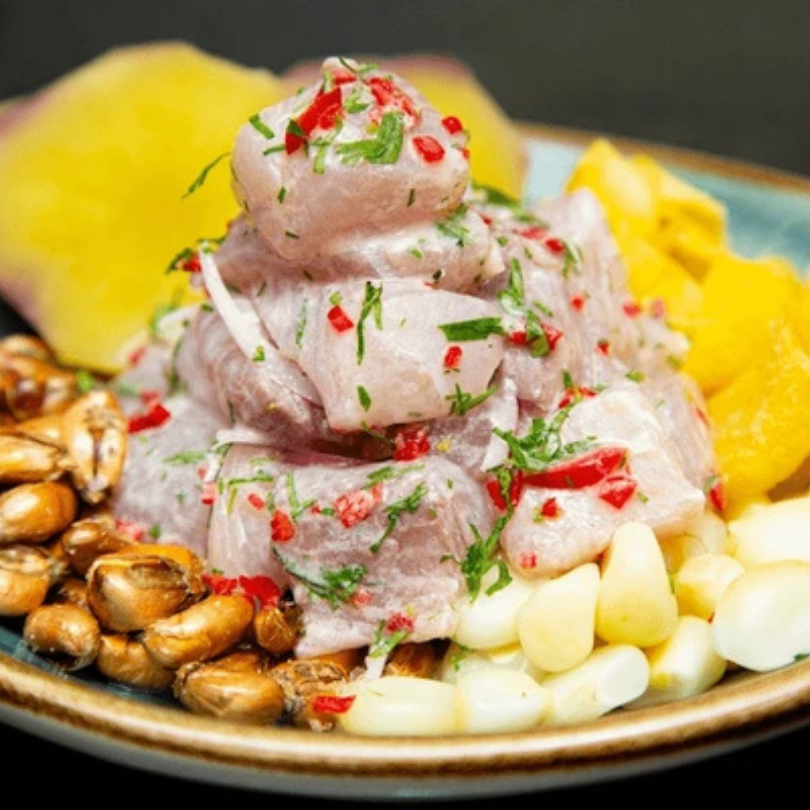
Day 5 | Indigenous Agriculture & The Andean Landscape
Visit agricultural and archaeological landscapes in the Sacred Valley to examine terraces, irrigation, soil management, crop diversity, and other approaches developed for farming in mountainous environments.
Students consider Indigenous knowledge not simply as something from the past, but as a living source of expertise that continues to influence Andean communities.
Sample Experiences:
Agricultural terraces • Irrigation systems • Indigenous knowledge • Native crops • Sacred Valley field study
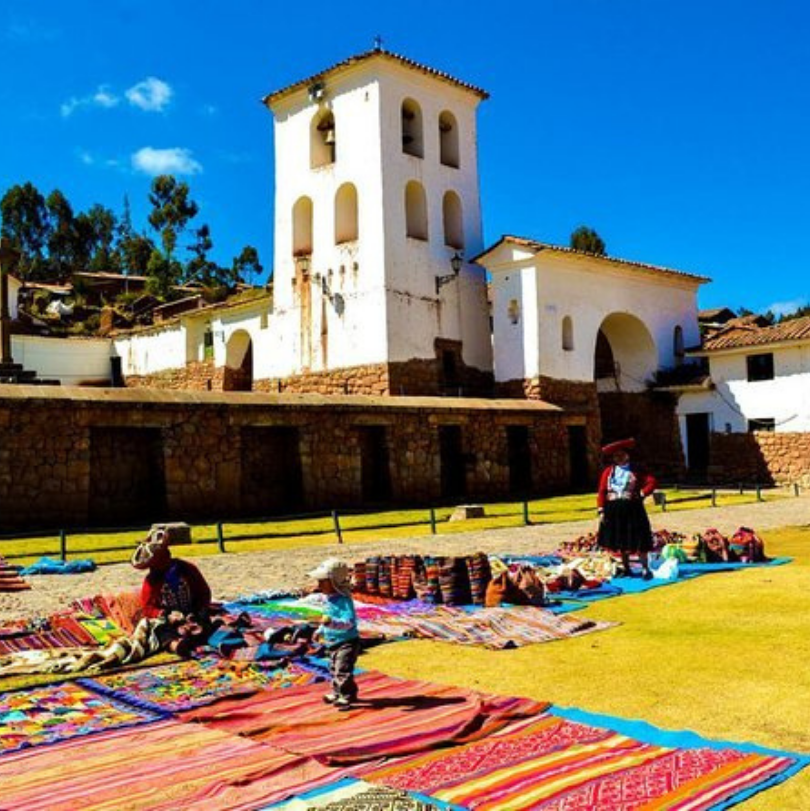
Day 6 | Community, Agriculture & Everyday Life
Spend time with a local community, farm, cooperative, or producer to learn about agriculture, food preparation, livelihoods, and relationships with the land.
Students consider how tourism, markets, climate change, migration, and economic development can create both opportunities and challenges for rural communities.
Sample Experiences:
Community engagement • Farm or cooperative visit • Traditional agriculture • Food preparation • Cultural exchange
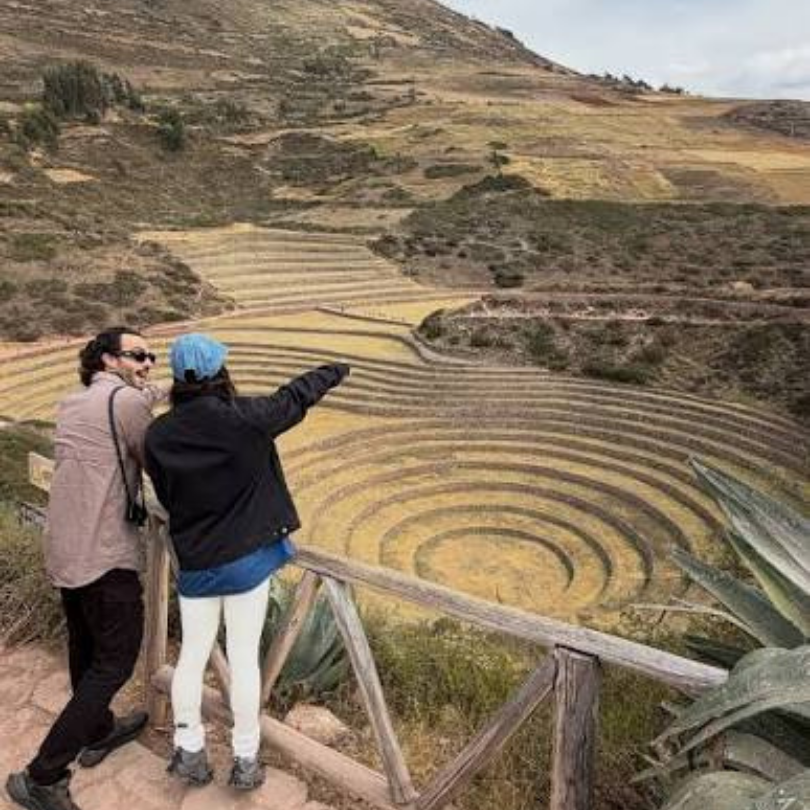
Day 7 | Seeds, Crops & Agricultural Biodiversity
Examine the remarkable diversity of Andean crops and learn how farmers have adapted varieties to different elevations and environmental conditions. Consider the importance of conserving seeds, agricultural knowledge, and biodiversity as communities respond to climate change.
Sample Experiences:
Potato & corn diversity • Seed conservation • Climate adaptation • Agricultural biodiversity • Local expert engagement
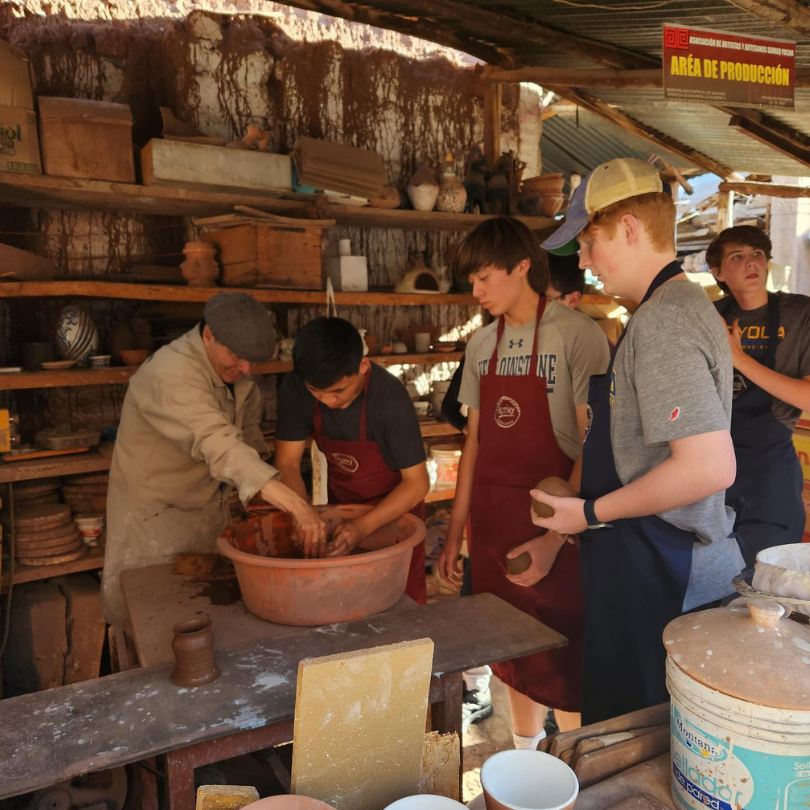
Day 8 | Machu Picchu: Sustainability Across Centuries
Travel to Machu Picchu and examine terraces, water systems, landscape design, and the relationship between the built and natural environments.
Students consider what this cultural landscape reveals about adaptation, resource management, and the long history of human relationships with Andean ecosystems.
Sample Experiences:
Machu Picchu • Agricultural terraces • Water management • Human adaptation • Cultural heritage
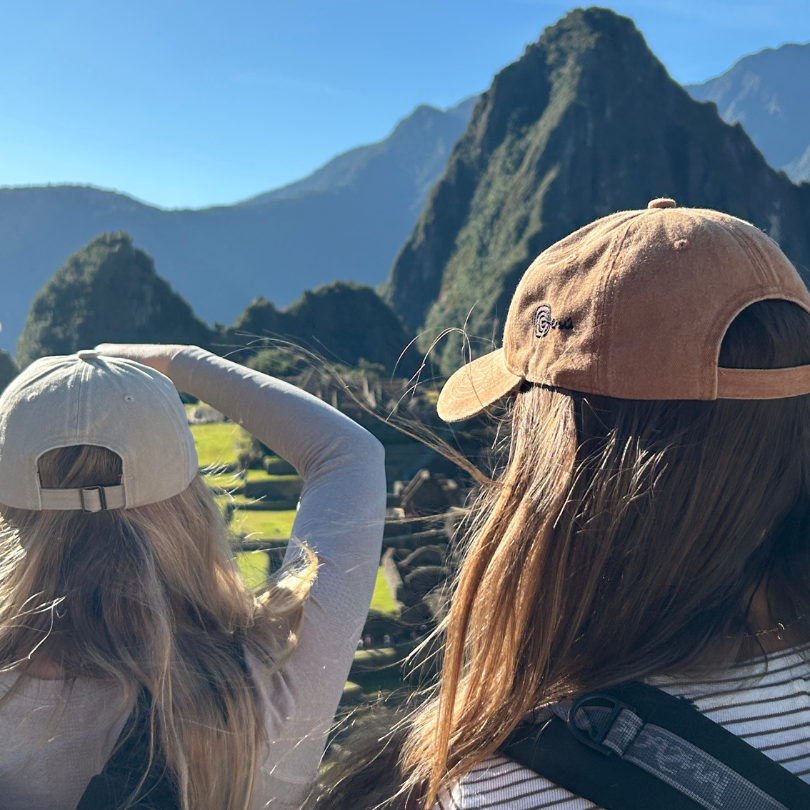
Day 9 | Cusco: Food, Culture & A Changing Future
Explore Cusco's markets and food culture before participating in a final academic engagement or reflection. Students consider how Peru can preserve agricultural biodiversity and cultural knowledge while responding to tourism, urbanization, changing diets, economic development, and climate change.
Conclude with a farewell dinner celebrating the foods and traditions explored throughout the program.
Sample Experiences:
Cusco market • Food & cultural identity • Sustainability discussion • Program reflection • Farewell dinner
Day 10 | Departure
Depart Cusco with a deeper understanding of how food, environment, culture, and community are interconnected in Peru.
Sample Experiences:
Breakfast • Program reflection • Departure
Make this program your own
Start Here. Then Shape Around Your Course.
This itinerary is a starting point. Depending on your goals, we can place greater emphasis on areas such as:
Food Systems
Production • Distribution • Markets • Consumption • Food security
Sustainable Agriculture
Soil • Water • Crop diversity • Climate adaptation
Environmental Studies
Biodiversity • Ecosystems • Conservation • Resource management
Indigenous Knowledge
Traditional agriculture • Land management • Cultural knowledge
Climate & Resilience
Adaptation • Biodiversity • Food security • Changing environments
Anthropology & Culture
Food • Identity • Community • Tradition • Cultural change
International Development
Rural livelihoods • Tourism • Markets • Sustainability
We can also adjust the program length, locations, community engagement, farm and market visits, cultural activities, reflection, accommodations, meals, and level of EdOdyssey Program Leader support.
Could this work for your students?
Use this program as your starting point or tell us what you’d change. We’ll work with you to align the itinerary with your course objectives, students, preferred dates, group size, and budget.
Have a different academic focus in mind?