
New Zealand: Restorative Justice
Auckland • Waitangi • Rotorua • Hamilton | 23-Day Faculty-Led Program
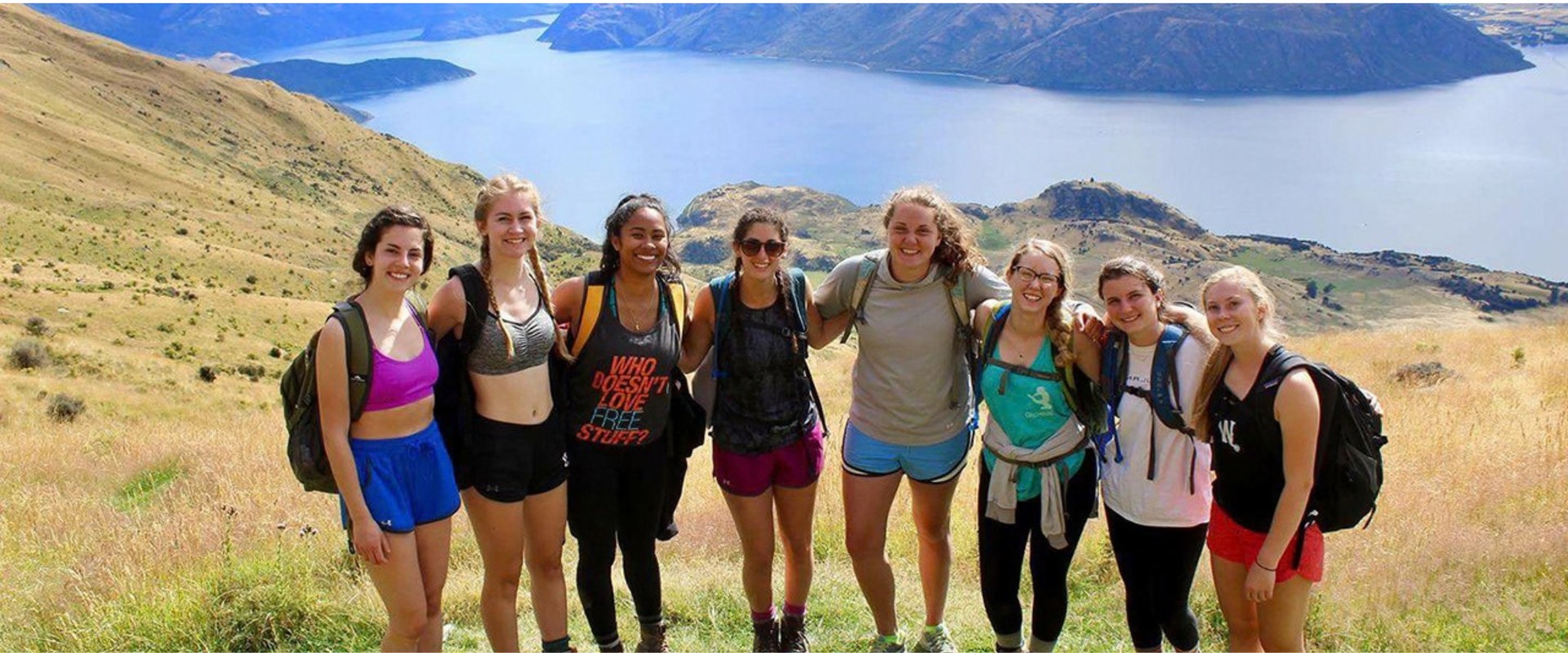
An Immersive Exploration of Restorative Justice, Māori Perspectives & Community
Designed for students exploring restorative justice, social responsibility, community engagement, Indigenous studies, and related fields, this immersive program examines how history, culture, relationships, and community shape approaches to justice in Aotearoa New Zealand.
Through conversations with Māori scholars, justice practitioners, community leaders, and cultural organizations, students explore restorative justice beyond the classroom. Visits to youth justice settings, marae, cultural institutions, universities, and community spaces connect theory with lived practice while encouraging students to reflect on historical harm, collective responsibility, and possibilities for community healing.
What Students Explore
RESTORATIVE JUSTICE | Examine approaches to repairing harm, rebuilding relationships, and creating more restorative communities through conversations with justice practitioners, scholars, and community leaders.
MĀORI PERSPECTIVES & CULTURE | Explore Māori approaches to justice, community, collective responsibility, and cultural identity through visits to marae, Māori cultural institutions, and meaningful cultural experiences.
TE TIRITI O WAITANGI | Consider the historical and contemporary significance of Te Tiriti o Waitangi and its relationship to history, identity, justice, and community in Aotearoa New Zealand.
COMMUNITY ENGAGEMENT | Connect classroom concepts with lived experiences through youth justice settings, university programs, guest speakers, community circles, and facilitated discussions.
LEARNING TO ACTION | Work collaboratively with community partners to develop restorative justice plans, applying lessons from Aotearoa New Zealand to communities students care about.
23-Day Itinerary
A Program, Built to Be Customized
This itinerary is designed to show what a New Zealand Restorative Justice & Community program could look like. Specific activities, organizations, guest speakers, cultural experiences, and community partners will vary based on your program dates, group size, academic goals, local availability, and community relationships.
We'll work with your faculty and study abroad team to adapt the program around your course objectives and students. Activities can place greater emphasis on restorative justice, Māori studies, youth justice, community engagement, social responsibility, Indigenous perspectives, cultural history, or another course-aligned theme.
All activities and partners are subject to confirmation based on timing and availability.
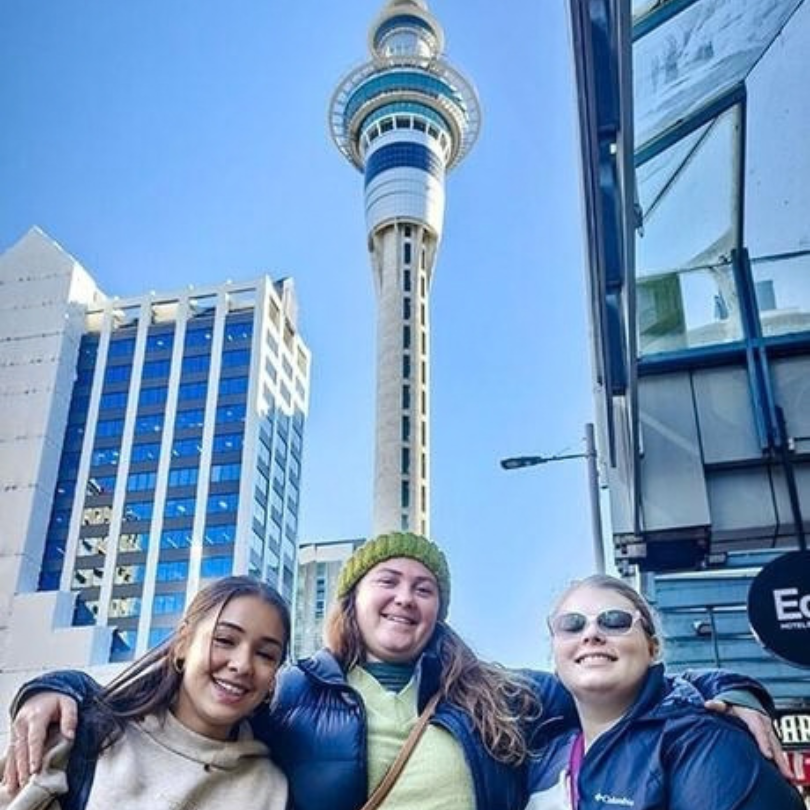
Day 1 | Arrival in Auckland
Arrive in Auckland and begin settling into life in Aotearoa New Zealand. After international travel, students have time to rest, connect with their group, and prepare for the experience ahead.
Sample Experiences:
Arrival in Auckland • Hotel check-in • Informal welcome dinner
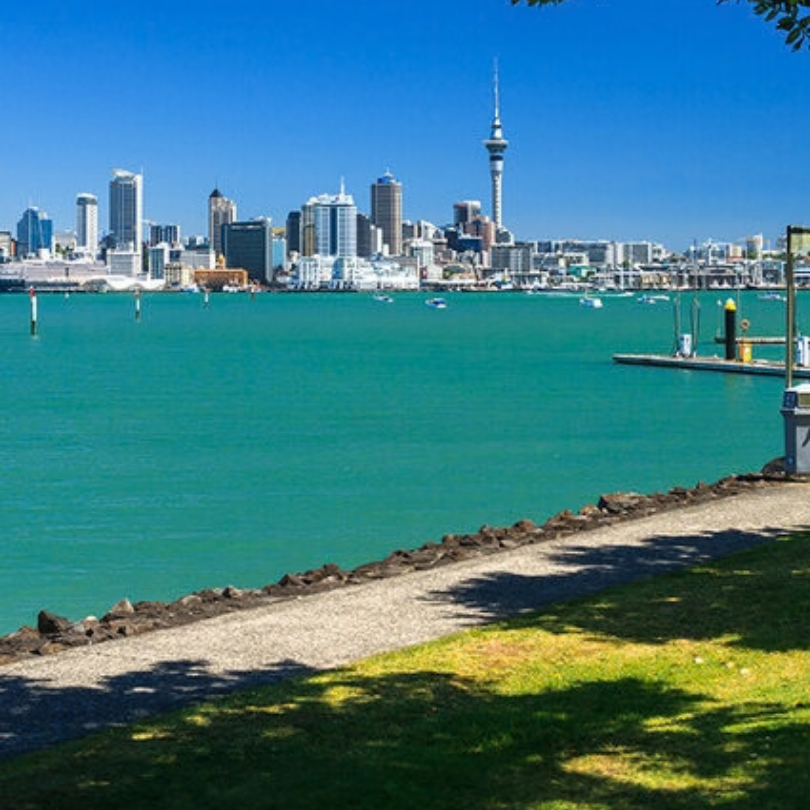
Day 2 | Auckland Orientation & Welcome
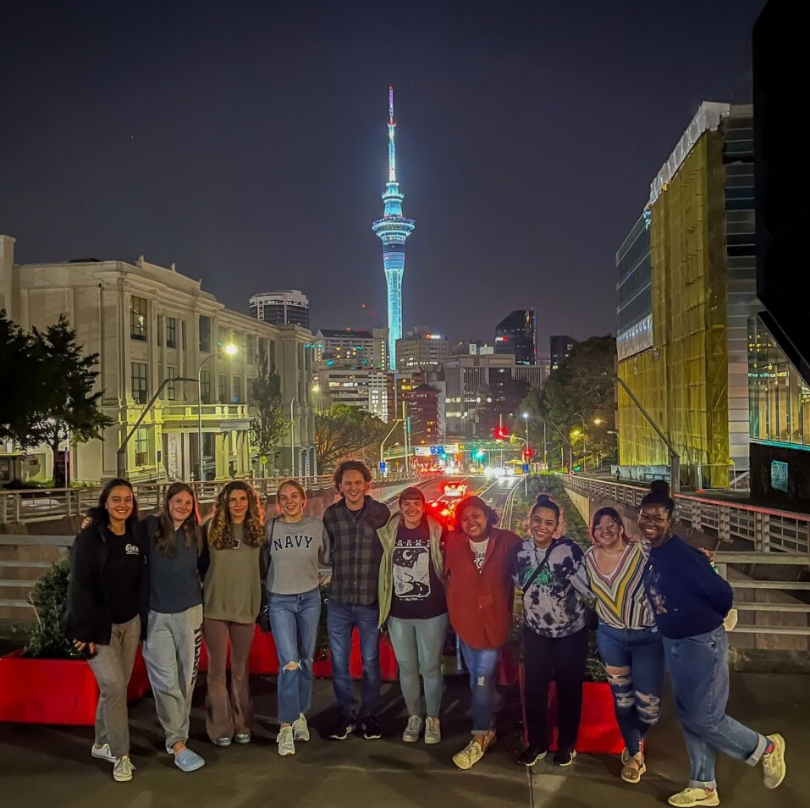
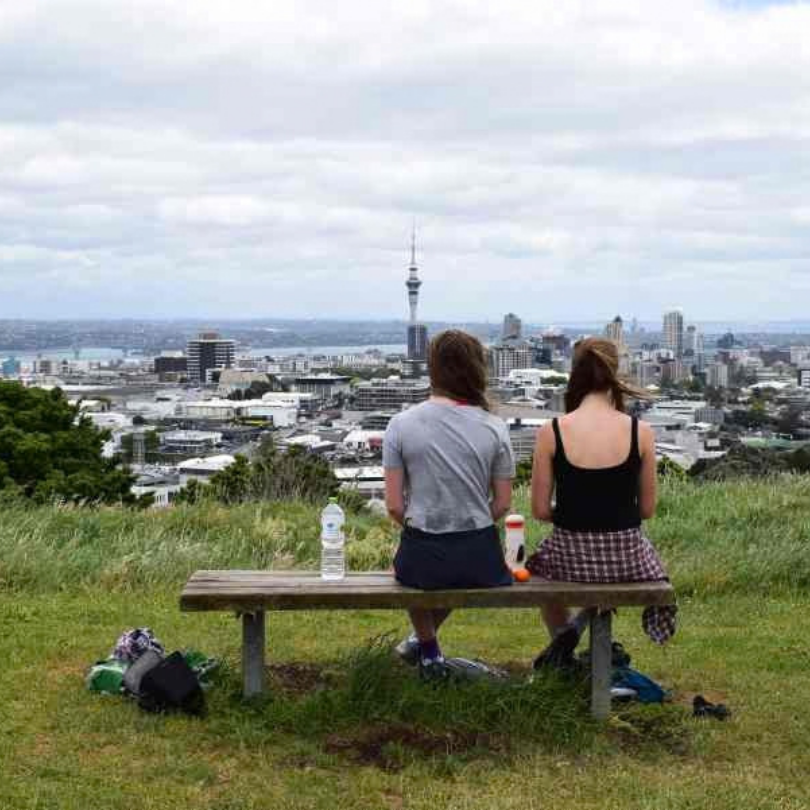
Begin exploring Auckland through its history, cultural diversity, and contemporary identity. A panoramic view from the Sky Tower provides an introduction to the city and surrounding landscape before students begin conversations about restorative justice in the New Zealand context.
Sample Experiences:
Guided Auckland introduction • Sky Tower • Welcome lunch • Guest speakers • Welcome dinner
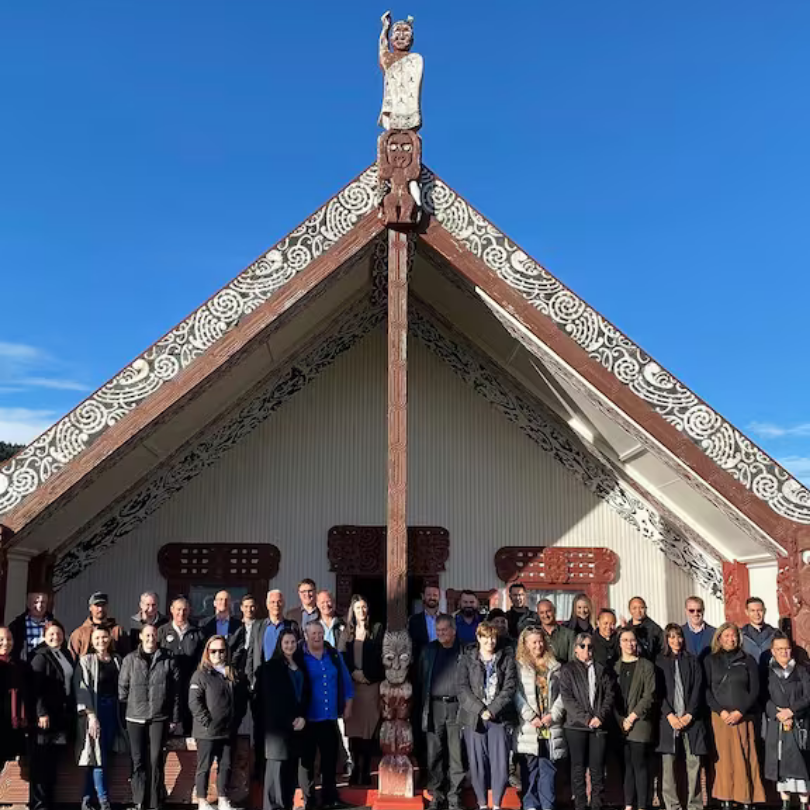
Day 3 | Restorative Justice in Context
Begin the academic experience with an opening circle introducing restorative justice within the New Zealand context. Students engage with guest speakers and begin considering how restorative approaches relate to history, relationships, responsibility, and community.
Sample Experiences:
Opening circle • Restorative justice discussion • AUT classroom session • Guest speakers • Group discussion
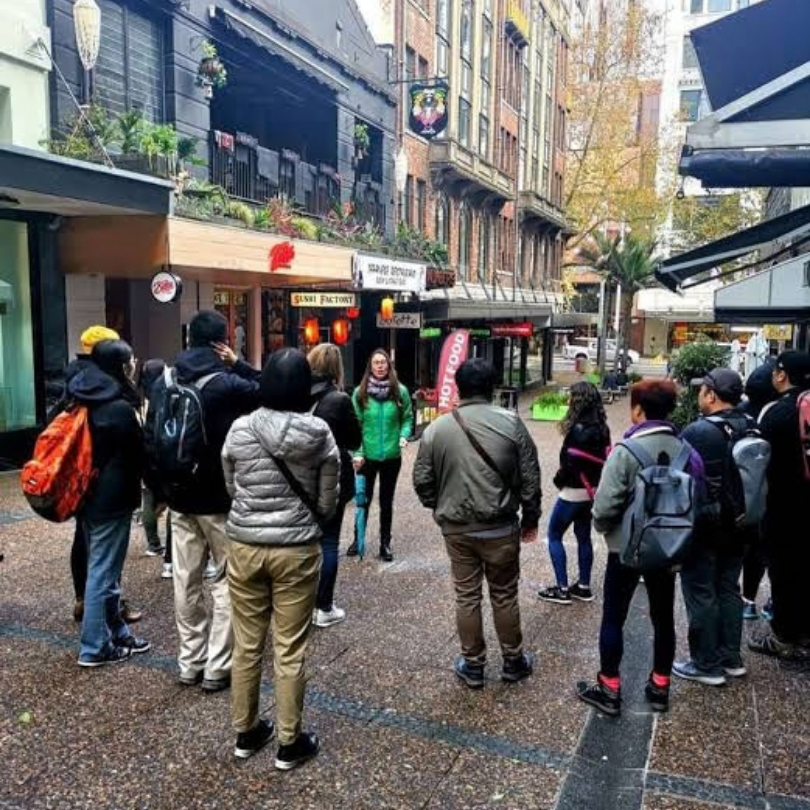
Day 4 | Māori Youth Justice & Community
Explore Māori approaches to youth justice through a visit to the Waitākere area and Māori Youth Court or marae. Guest presentations and discussions provide opportunities to examine restorative justice through Māori perspectives and lived experience.
Sample Experiences:
Waitākere area • Māori Youth Court or marae • Guest presentations • Māori youth justice • Facilitated discussion
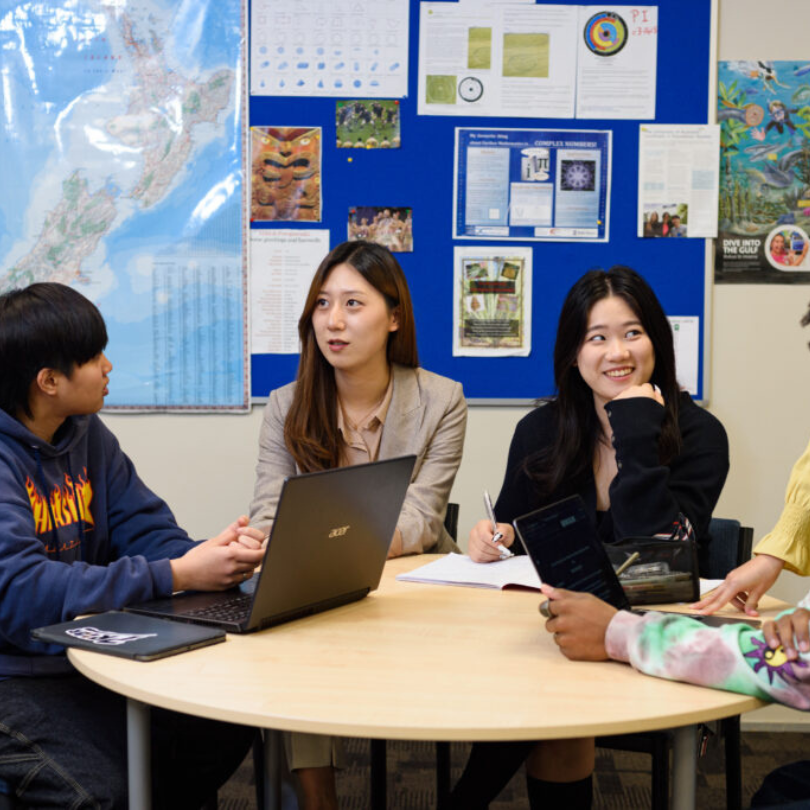
Day 5 | Māori Culture & Community Reflection
Explore Māori culture through a visit to Auckland Museum and a Māori cultural experience. Students then come together for a community circle and reflection, connecting cultural learning with the themes emerging throughout the program.
Sample Experiences:
Auckland Museum • Māori cultural experience • Haka experience • Community circle • Reflection
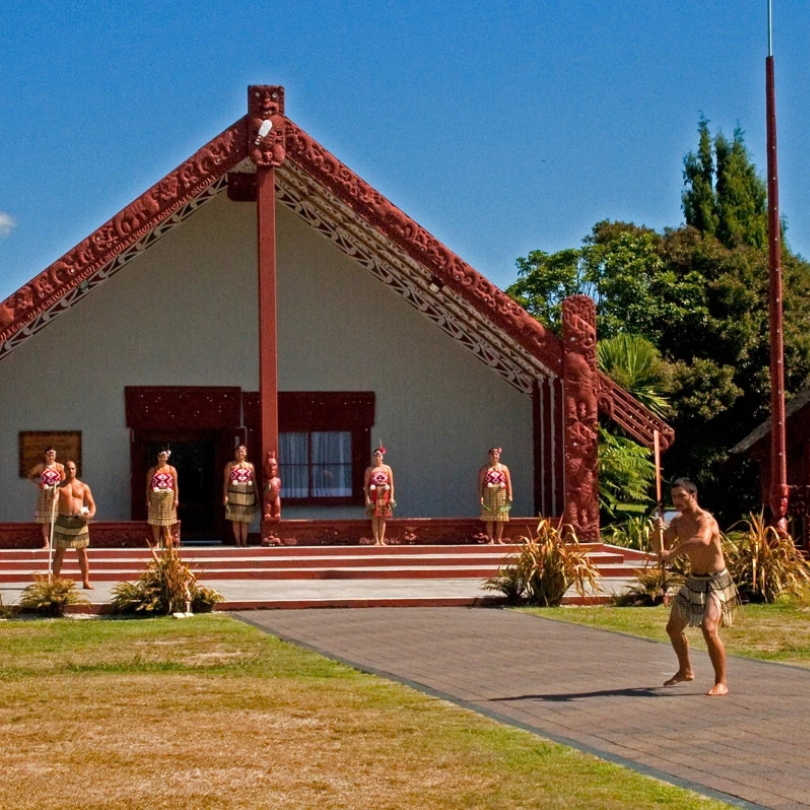
Day 6 | Te Tiriti o Waitangi & New Zealand History
Travel to the Waitangi area and explore the historical and contemporary significance of Te Tiriti o Waitangi. Through a guided experience at the Waitangi Treaty Grounds, students consider how history, identity, relationships, and collective responsibility shape communities.
Sample Experiences:
Private coach to Waitangi • Waitangi Treaty Grounds • Te Tiriti o Waitangi • Guided historical exploration • Group dinner
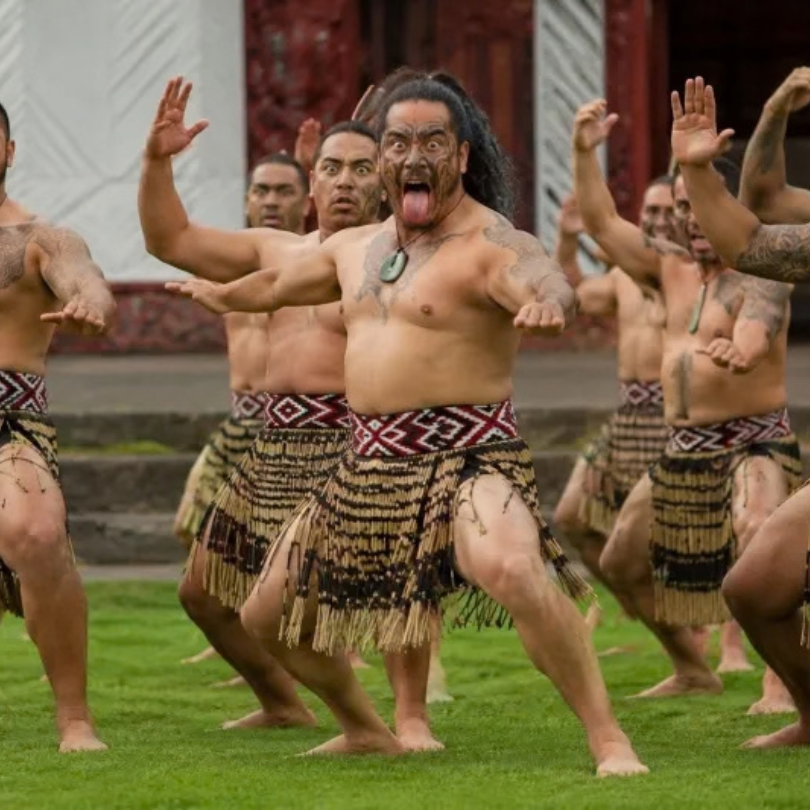
Day 7 | Returning to Auckland & Group Reflection
Return to Auckland and continue processing the experiences of the first week. Time for informal reflection gives students space to connect ideas from Waitangi and earlier community experiences.
Sample Experiences:
Return to Auckland • Group lunch • Informal reflection • Independent exploration
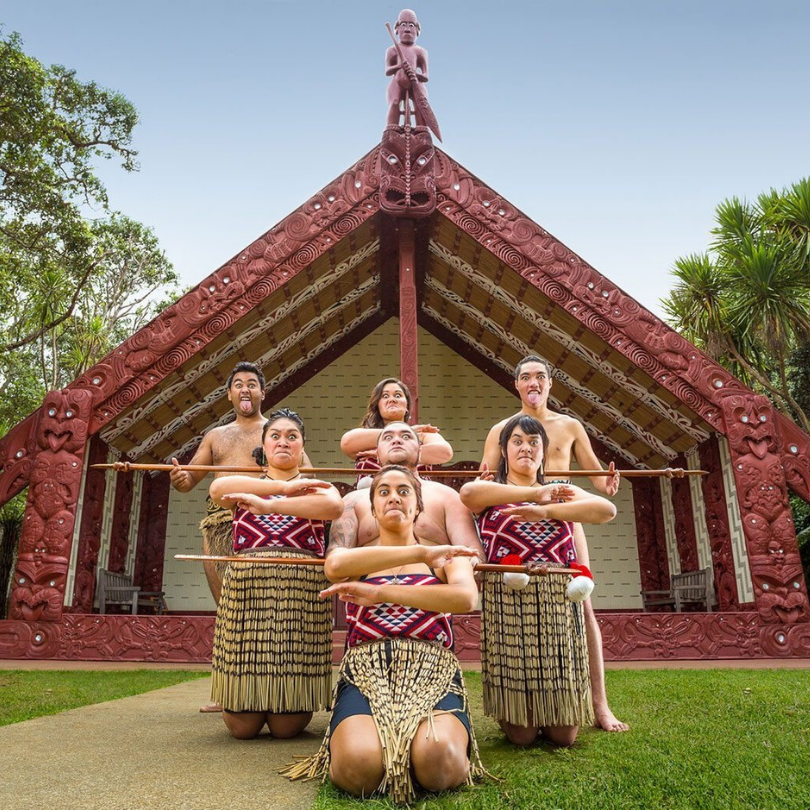
Day 8 | Looking Back to Look Forward
Examine historical tensions, harm, and wrongdoing in New Zealand while considering what restorative justice approaches could look like for the future. Students participate in a community circle focused on connecting historical understanding with possibilities for healing and change.
Sample Experiences:
Community circle • Historical tensions • Harm and wrongdoing • Restorative approaches • Individual reflection

Day 9 | Youth Justice in Practice
Visit Waitākere Youth Court and continue exploring the New Zealand youth justice system. Students examine how restorative justice concepts intersect with real-world justice settings and community relationships.
Sample Experiences:
Waitākere Youth Court • Justice practitioners • Ngāti Whātua representatives • Youth justice discussion • Community perspectives
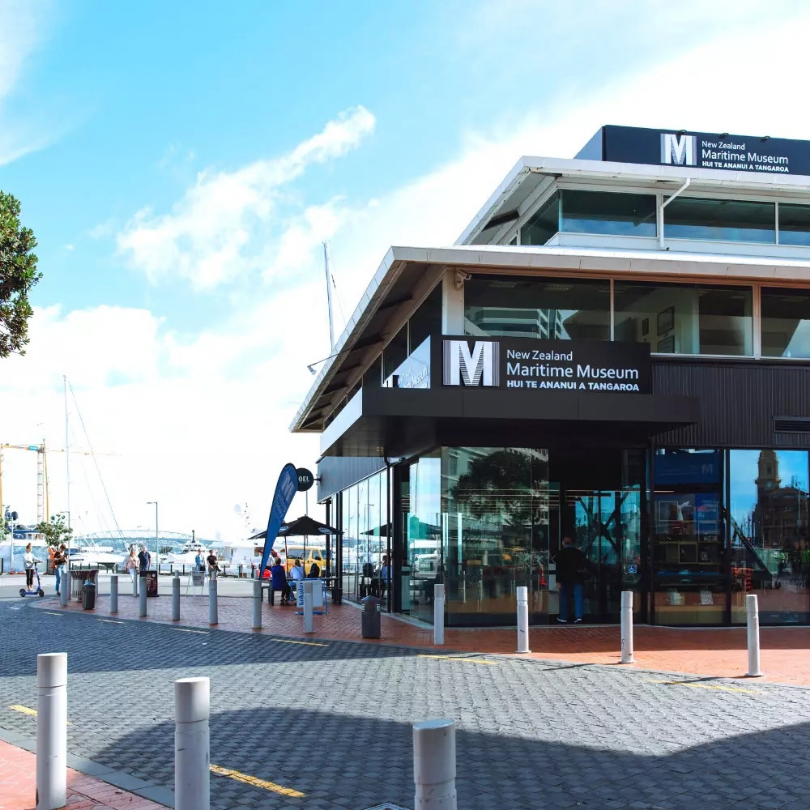
Day 11 | New Zealand & the Wider Pacific
Explore New Zealand's maritime history and connections to the wider Pacific through a guided visit to the New Zealand Maritime Museum. Students consider how movement, place, and cultural exchange have shaped New Zealand's history and identity.
Sample Experiences:
New Zealand Maritime Museum • Maritime history • Pacific connections • Group lunch • Independent exploration
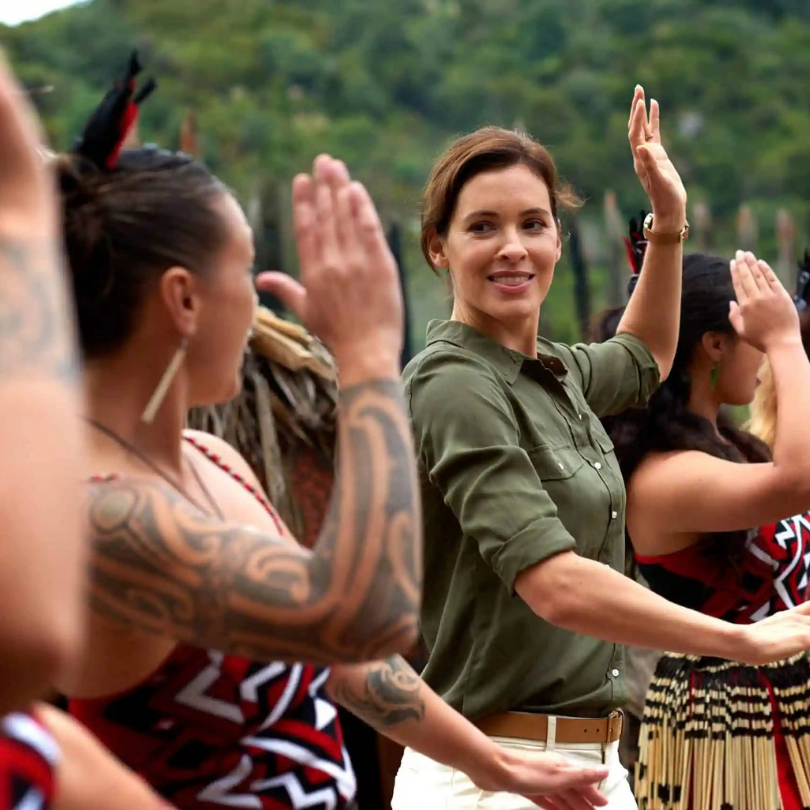
Day 12 | Auckland to Rotorua & Māori Cultural Experience
Begin the journey to Rotorua after a morning class and community circle. In the evening, experience Māori culture through storytelling, cultural activities, performance, and a shared feast.
Sample Experiences:
Morning community circle • Coach to Rotorua • Te Pā Tū • Māori cultural activities • Storytelling • Performance • Multi-course feast
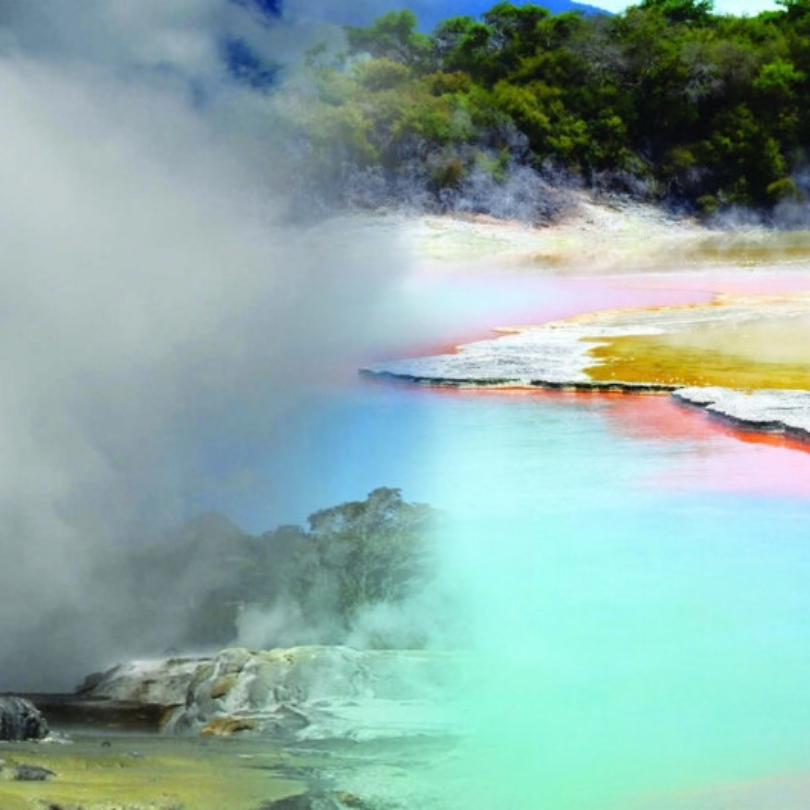
Day 13 | Thermal Landscapes & Māori Scholarship
Explore the geothermal landscape of Rotorua before continuing to Hamilton. Students visit Wai-O-Tapu Thermal Wonderland and later stay overnight at the University of Waikato Marae, connecting with Māori Studies through an evening gathering and guest lecture.
Sample Experiences:
Wai-O-Tapu Thermal Wonderland • Lady Knox Geyser • University of Waikato Marae • Guest lecturer • Māori Studies
Day 14 | Māori Gardens, Scholarship & Community
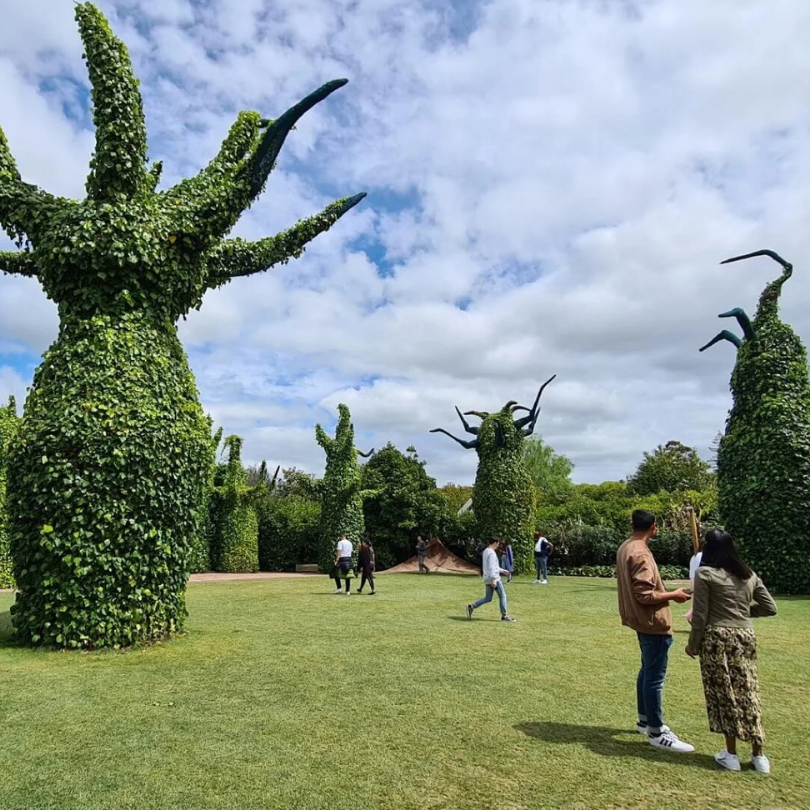
Visit Hamilton Gardens and explore the Te Parapara Māori garden before meeting with the University of Waikato Māori Studies Department. Students continue examining Māori knowledge, culture, and community before returning to Auckland.
Sample Experiences:
Hamilton Gardens • Te Parapara Māori garden • University of Waikato Māori Studies • Group lunch • Return to Auckland
Day 15 | Building Restorative Justice Communities
Turn learning into action by exploring what it takes to build restorative justice communities. Students begin developing a restorative justice plan for a community they care about, working with partners to connect theory with practical possibilities.
Sample Experiences:
Community circle • Restorative justice session • Community planning • Partner collaboration • Project development
Day 17 | Restorative Justice Community Projects
Continue developing collaborative restorative justice projects with community partners. Students refine their ideas, connect them to lessons from the program, and prepare to present their work.
Sample Experiences:
Community project development • Partner collaboration • Project planning • Presentation preparation

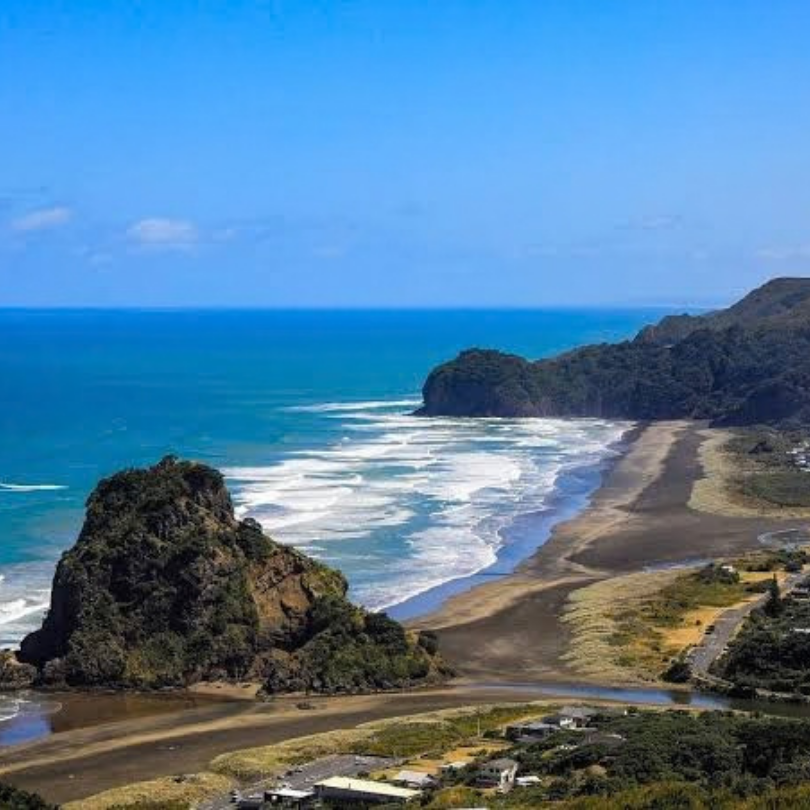
Day 19 | Piha Beach & Waitākere
Explore Auckland's west coast and the Waitākere area while experiencing another dimension of New Zealand's landscapes and communities. Time at Piha Beach provides space for informal connection, exploration, and reflection.
Sample Experiences:
Piha Beach • Waitākere area • Group lunch • Coastal exploration • Group dinner
Day 21 | Independent Exploration in Auckland
Take a day to explore Auckland independently, relax, connect with classmates, or revisit places that have been meaningful throughout the program.
Sample Experiences:
Independent exploration • Local neighborhoods • Shopping • Reflection • Time with classmates
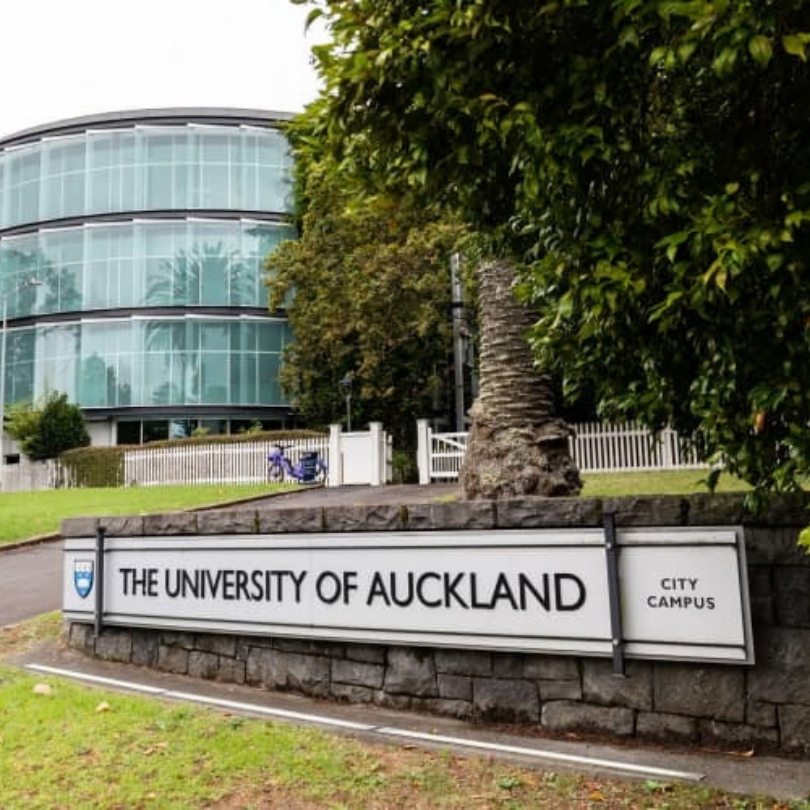
Day 16 | Māori Scholarship & University Research
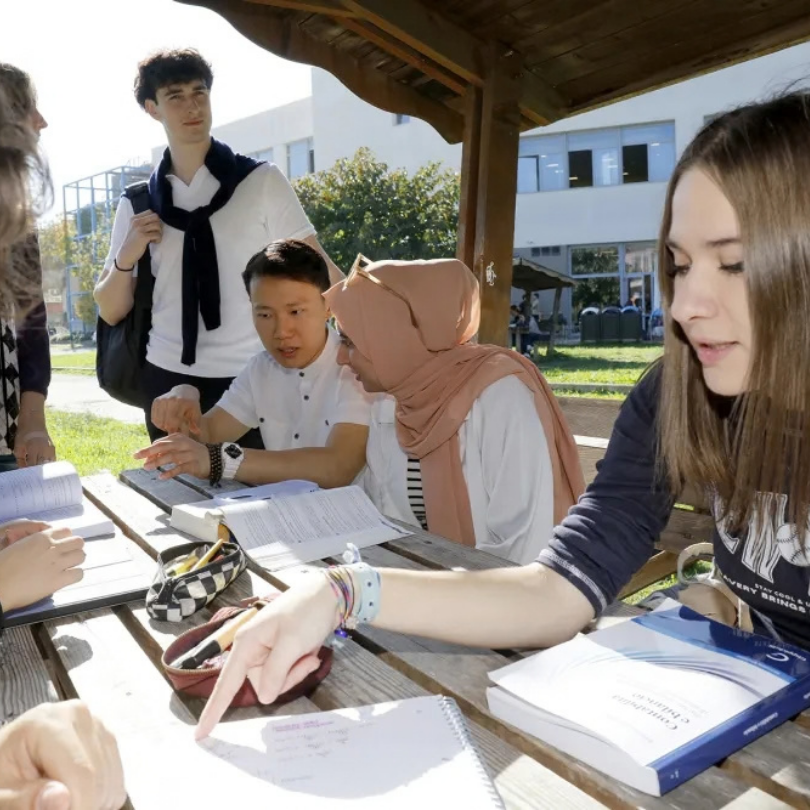
Engage with Māori scholars from the University of Auckland and explore primary resources through a visit to the university's Special Collections. Students consider how scholarship, archives, and cultural knowledge contribute to understanding history and community.
Sample Experiences:
Māori scholar panel • University of Auckland • Special Collections • Librarian or archivist engagement • Research exploration
Day 23 | Departure
Conclude the program with breakfast and a transfer to Auckland Airport. Students depart with new perspectives on restorative justice, Māori approaches to community and responsibility, and the possibilities for building more restorative communities.
Sample Experiences:
Breakfast • Hotel check-out • Airport transfer • Departure
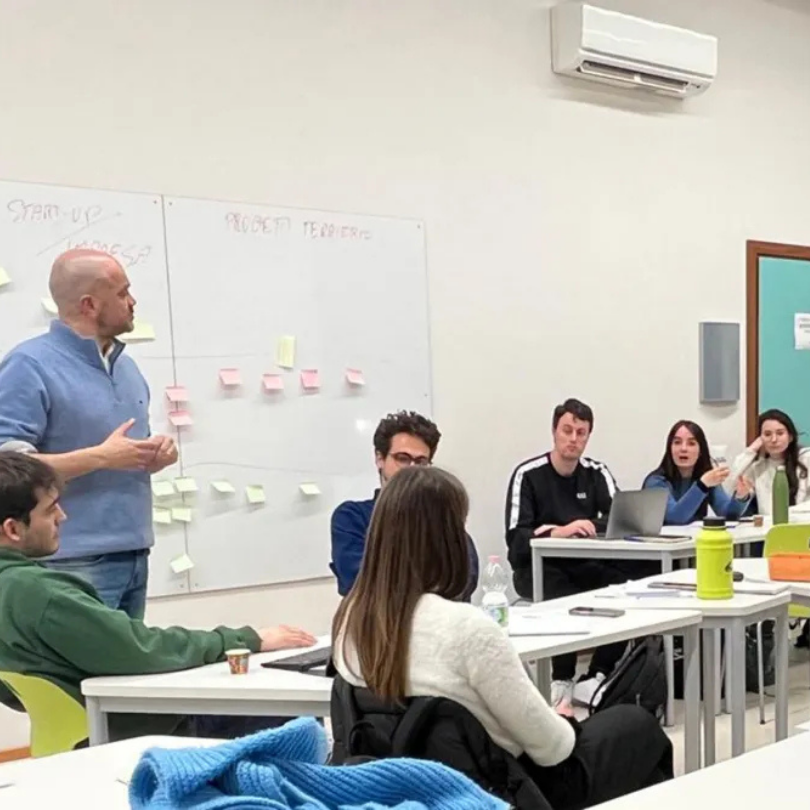
Day 18 | Restorative Justice Presentations & Reflection
Present collaborative restorative justice projects and participate in a community circle focused on reflection and integration. Students share what they have learned and consider how restorative approaches can translate into meaningful action.
Sample Experiences:
Restorative justice presentations • Community circle • Reflection • Celebration lunch • Project integration
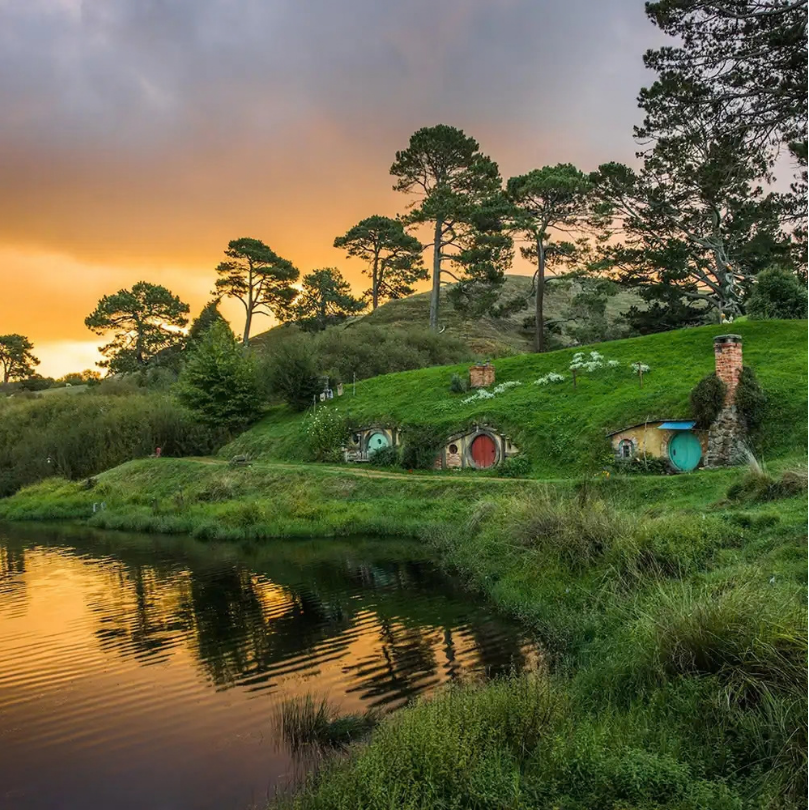
Day 20 | Hobbiton & Storytelling
Travel outside Auckland to Hobbiton Movie Set for a guided experience exploring one of New Zealand's most recognizable cultural and creative destinations.
Sample Experiences:
Hobbiton Movie Set • Guided tour • Group lunch • New Zealand landscapes • Group exploration
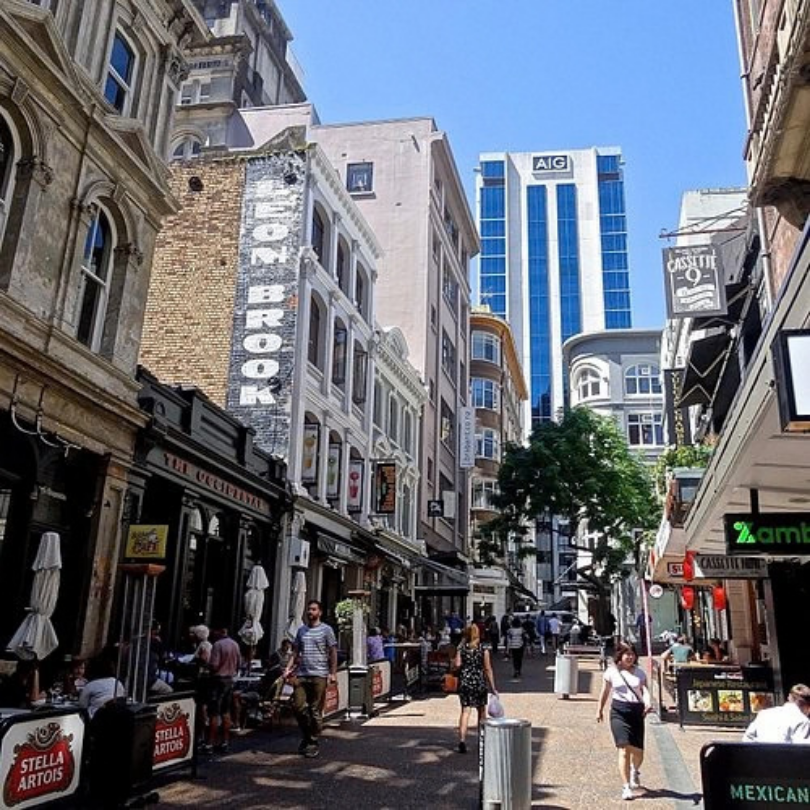
Day 22 | Farewell & Program Reflection
Use the final full day to reflect on the experience, revisit key themes, and consider the responsibilities students carry home from their time in Aotearoa New Zealand. A farewell dinner brings together guest speakers and others who contributed to the program.
Sample Experiences:
Independent reflection • Final Auckland exploration • Program integration • Guest speakers • Farewell dinner
Day 10 | Art, Culture & Identity
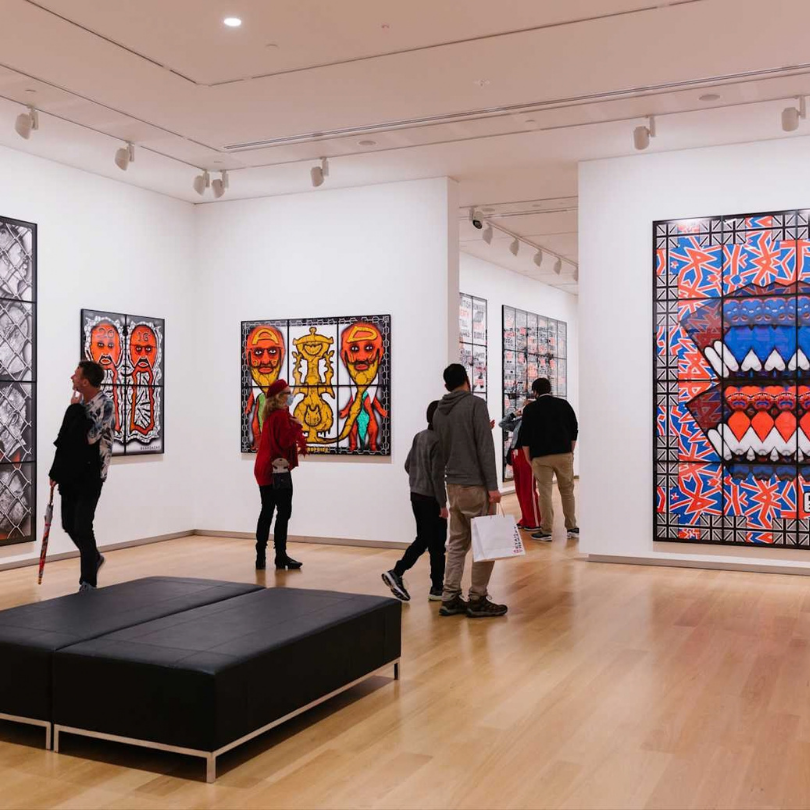
Explore Auckland Art Gallery and consider how art and cultural institutions contribute to understandings of identity, history, and community. Students have time for independent exploration and group connection.
Sample Experiences:
Auckland Art Gallery • Guided visit • Cultural exploration • Independent reflection • Group dinner
Make this program your own
Start Here. Then Shape Around Your Course.
This itinerary is a starting point. Depending on your goals, we can place greater emphasis on areas such as:
Restorative Justice
Repairing harm • Rebuilding relationships • Restorative practices • Community healing
Māori Studies
Māori perspectives • Te Tiriti o Waitangi • Cultural identity • Collective responsibility
Youth Justice
Youth justice systems • Restorative approaches • Community engagement • Justice in practice
Indigenous Studies
Indigenous knowledge • History • Identity • Community relationships
Community Engagement
Community circles • Local partnerships • Dialogue • Collaborative projects
Social Responsibility
Historical harm • Leadership • Responsibility • Community action
We can also adjust the program length, locations, academic sessions, community engagements, cultural experiences, reflection activities, accommodations, meals, and level of EdOdyssey Program Leader support.
Could this work for your students?
Use this program as your starting point or tell us what you’d change. We’ll work with you to align the itinerary with your course objectives, students, preferred dates, group size, and budget.
Have a different academic focus in mind?