
New Orleans: Music & The Call for Justice
New Orleans | 7-Day Faculty-Led Program
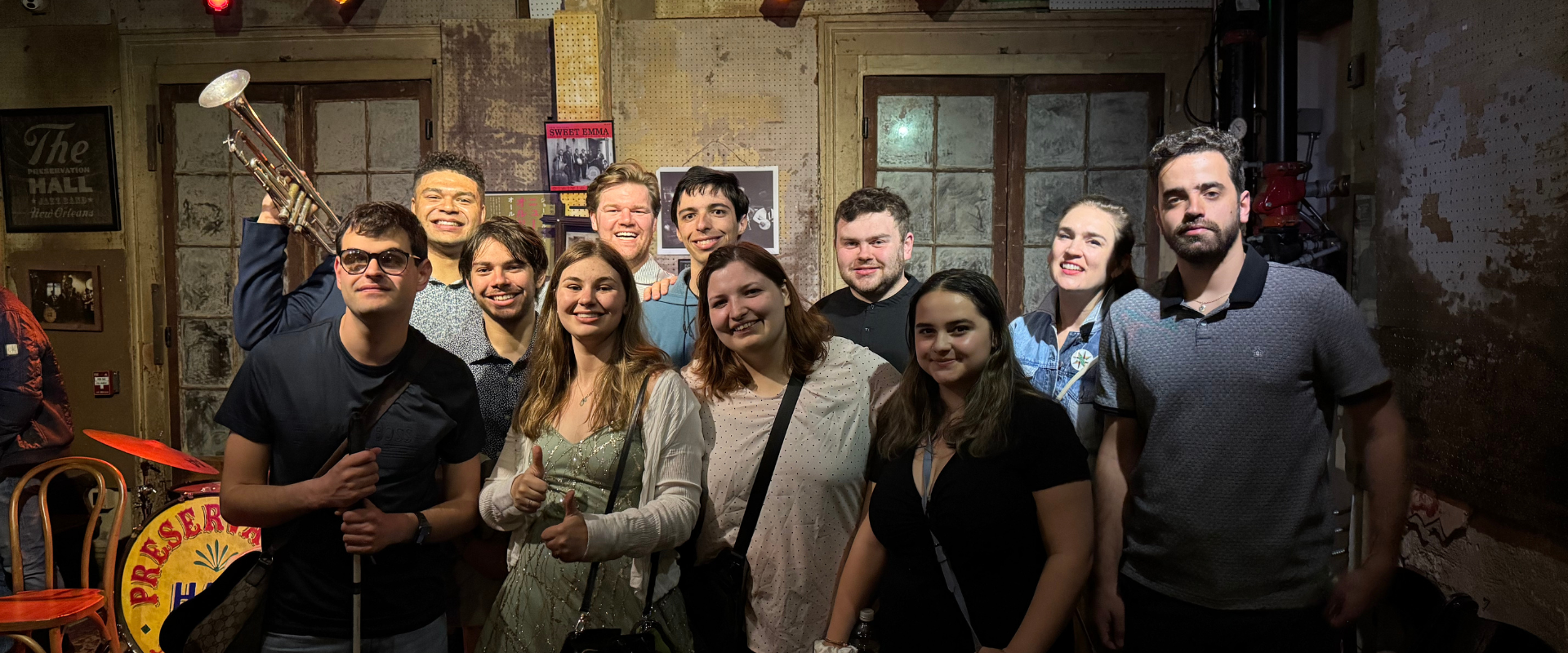
Explore Music as a Force for Culture, Identity & Social Change
Designed for students in music, history, sociology, African American studies, cultural studies, social justice, and related fields, this immersive program explores New Orleans as a city where music, culture, race, and resilience are deeply intertwined.
Students experience music not simply as an art form, but as a force for identity, healing, resistance, and social change. Through conversations with artists and cultural leaders, music workshops and performances, museums, historic sites, and community engagement, students examine the legacies of slavery and systemic inequality alongside the people and communities shaping New Orleans today.
What Students Explore
MUSIC & CULTURAL IDENTITY | Explore how jazz, blues, gospel, brass bands, and other musical traditions reflect the communities and histories that shaped New Orleans.
RACE & SOCIAL JUSTICE | Examine the legacies of slavery, segregation, systemic inequality, and ongoing movements for racial justice.
MUSIC AS ACTIVISM | Explore how musicians and artists use creative expression to challenge injustice, build community, and inspire social change.
RESILIENCE & COMMUNITY | Investigate how New Orleans communities have responded to displacement, disaster, inequality, and cultural change.
CULTURAL PRESERVATION | Examine how artists, educators, museums, and community organizations preserve cultural traditions while allowing them to evolve.
7-Day Itinerary
A Program, Built to Be Customized
This itinerary shows what a New Orleans Music & The Call for Justice program could look like. Specific artists, workshops, community organizations, performances, and cultural experiences will vary based on your dates, group size, academic goals, and local availability.
We’ll work with your faculty and study abroad team to adapt the experience to your course objectives and students. The program can emphasize music, history, race and social justice, cultural studies, community resilience, arts education, or another course-aligned theme.
Activities listed below are examples and subject to availability and confirmation.
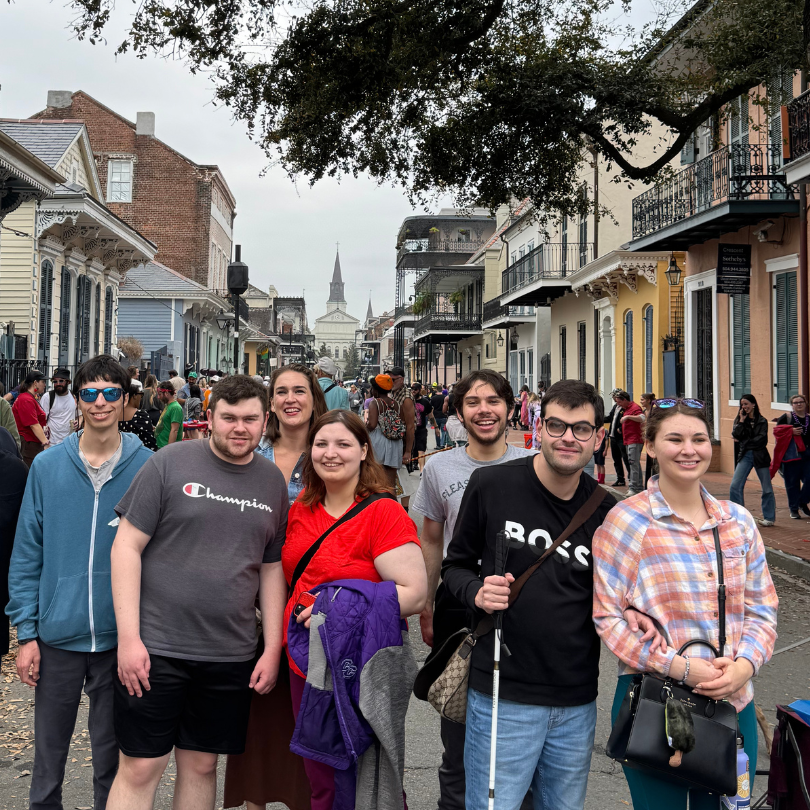
Day 1 | Arrival & Introduction to New Orleans
Arrive in New Orleans and meet your EdOdyssey Program Leader for an introduction to the city and its distinctive cultural landscape. Begin exploring the connections among place, history, race, and music before gathering for a welcome dinner and experiencing New Orleans’ live music culture.
Sample Experiences:
Arrival orientation • New Orleans introduction • Frenchmen Street • Live music • Welcome dinner
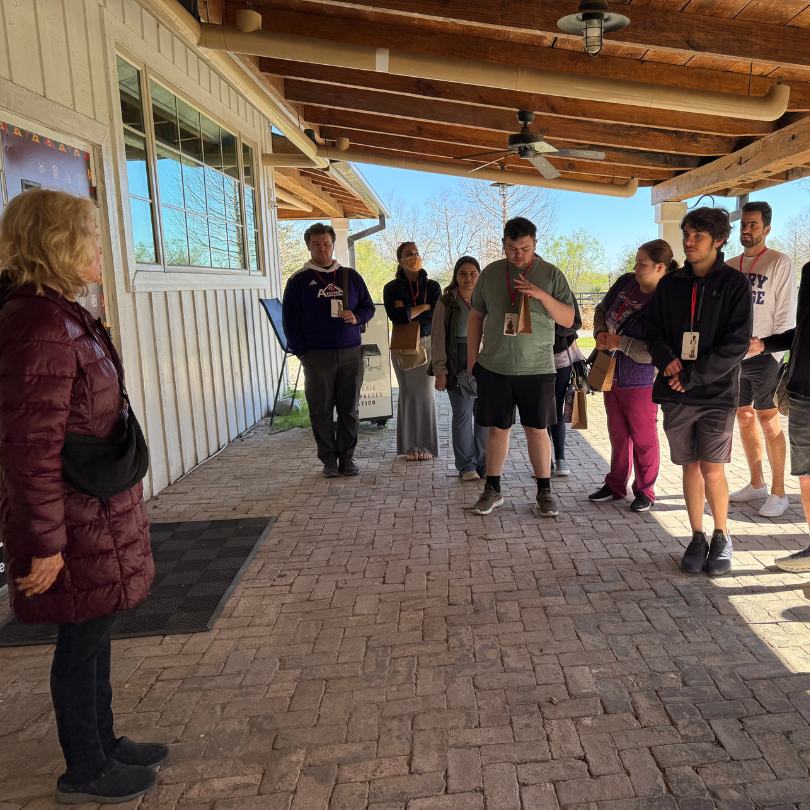
Day 2 | Slavery, Memory & The Foundations of American Music
Travel outside the city to examine the history and legacy of slavery in Louisiana. Visit the Whitney Plantation to explore the history of slavery, labor, resistance, and the cultural traditions that shaped American music.
Return to New Orleans for a faculty-led reflection on how history is remembered and interpreted, and how these histories continue to shape the city’s cultural identity today.
Sample Experiences:
Whitney Plantation • History of slavery • Public memory • Race & resistance • Faculty-led reflection
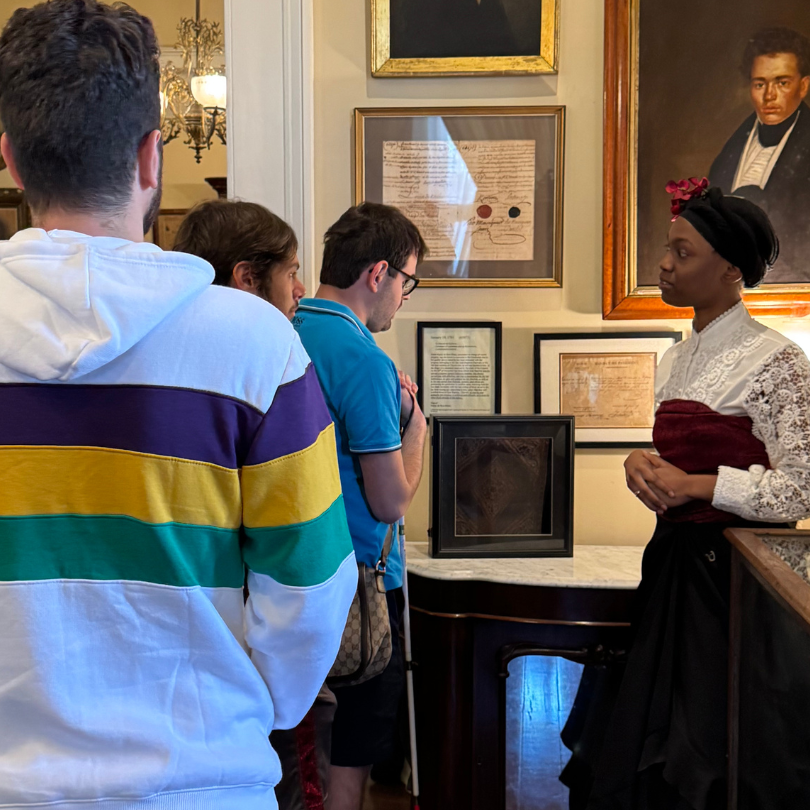
Day 3 | Music, Identity & the Black New Orleans Experience
Explore the communities and traditions that helped shape New Orleans’ distinctive musical culture. Engage with local artists or educators and participate in a hands-on music workshop connecting rhythm, performance, history, and community.
Continue exploring the history of free people of color and the complex intersections of race, identity, and culture in New Orleans.
Sample Experiences:
Music workshop • Second line traditions • Local artists • Le Musée de F.P.C. • Cultural identity
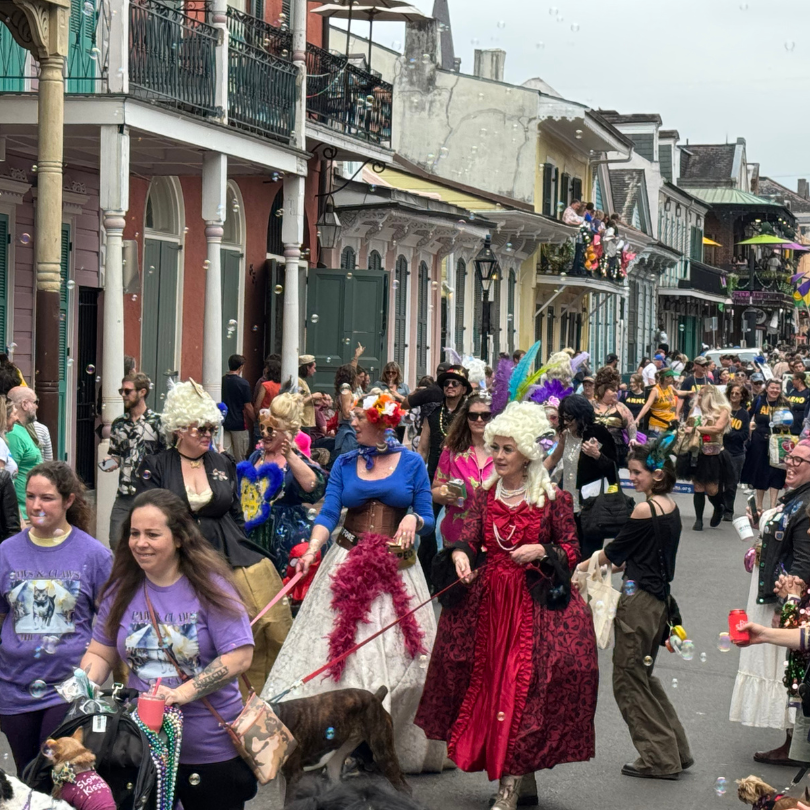
Day 4 | Mardi Gras, Art & Cultural Expression
Examine Mardi Gras beyond its popular image to explore its connections to community, identity, artistic expression, and social commentary.
Explore how costumes, performance, neighborhood traditions, and Black masking culture create opportunities for storytelling and cultural preservation. Students consider who creates culture, how traditions evolve, and how cultural practices are represented.
Sample Experiences:
Mardi Gras traditions • Visual culture • Community arts • Cultural preservation • Guided discussion
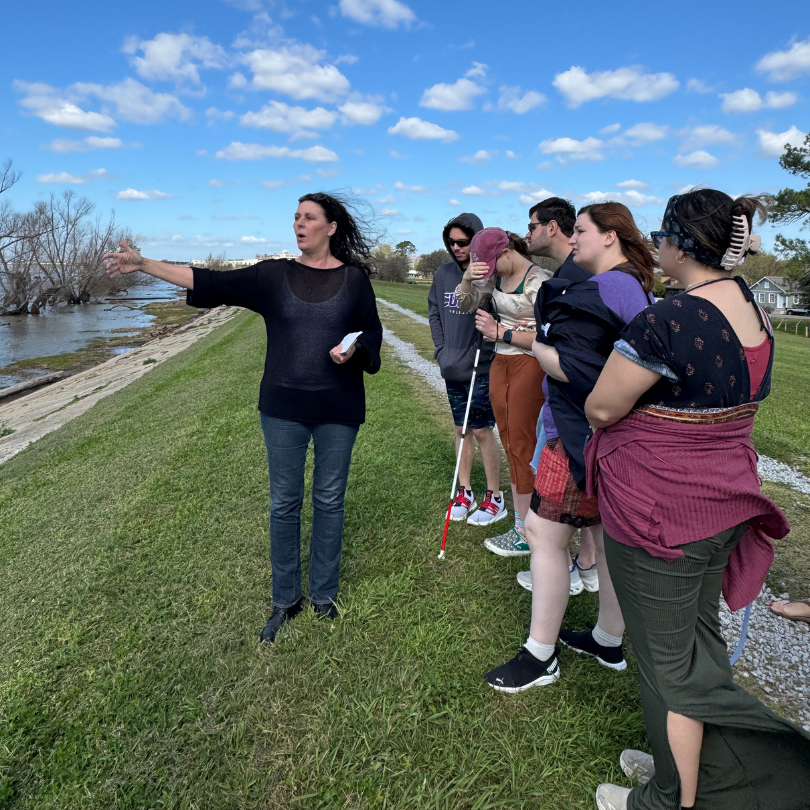
Day 5 | Hurricane Katrina, Resilience & Environmental Justice
Examine Hurricane Katrina and its lasting impact on New Orleans through the lenses of race, infrastructure, displacement, environmental justice, and community resilience.
Engage with a museum, educator, or community organization to explore why disasters do not affect all communities equally and how residents have worked to rebuild, preserve their communities, and strengthen their resilience.
Sample Experiences:
Hurricane Katrina exhibit • Environmental justice • Community resilience • Displacement • Local perspectives
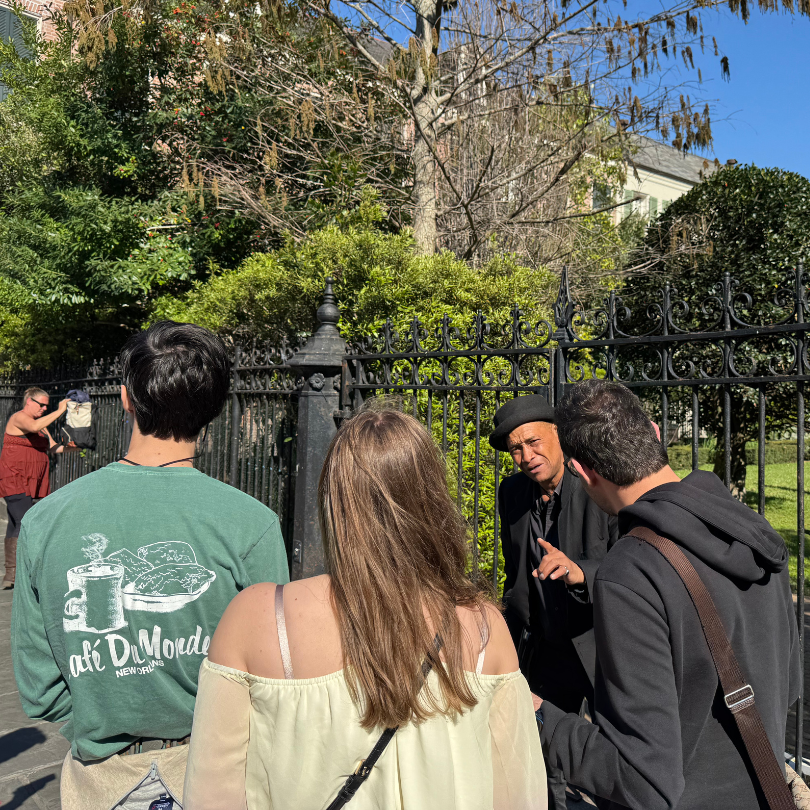
Day 6 | Jazz, Community & The Call for Justice
Bring the program’s themes together through the history and continuing evolution of New Orleans music. Explore jazz and other musical traditions while engaging with artists, educators, or cultural organizations working to preserve and advance the city’s musical heritage.
Students reflect on how music can communicate identity, preserve memory, create community, and respond to injustice. Conclude the program with a farewell dinner and live performance.
Sample Experiences:
New Orleans Jazz Museum • Artist engagement • Music & activism • Farewell dinner • Preservation Hall
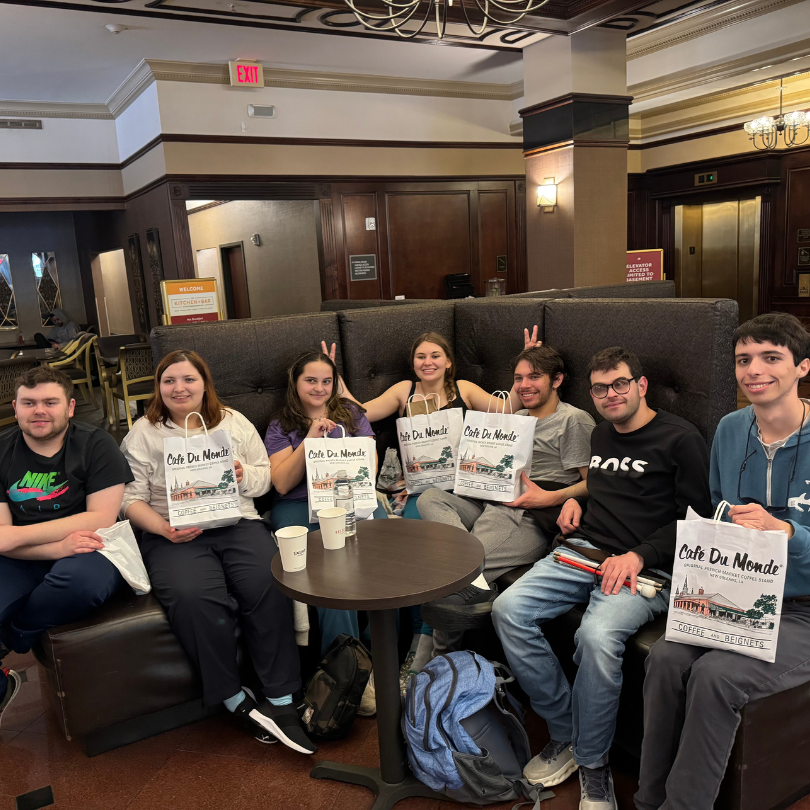
Day 7 | Departure
Depart New Orleans with a deeper understanding of how music can carry history, express identity, strengthen communities, and serve as a voice for justice and social change.
Sample Experiences:
Breakfast • Final reflection • Departure
Make this program your own
Start Here. Then Shape Around Your Course.
This itinerary is a starting point. Customize the academic focus, program length, music workshops, community engagements, performances, museums, cultural experiences, reflection activities, accommodations, meals, and level of EdOdyssey Program Leader support to align with your course objectives, students, group size, dates, and budget.
Music & Music History
Jazz • Blues • Gospel • Brass bands • Performance
Race & Social Justice
Slavery • Segregation • Systemic inequality • Activism
African American Studies
Slavery • Segregation • Systemic inequality • Activism
Sociology
Race • Inequality • Community • Displacement • Resilience
History & Public Memory
Slavery • Monuments • Museums • Historical interpretation
Environmental Justice
Hurricane Katrina • Infrastructure • Inequality • Resilience
Arts & Activism
Music • Visual culture • Performance • Social change
Could this work for your students?
Use this program as your starting point or tell us what you'd change. We'll work with you to align the itinerary with your course objectives, students, preferred dates, group size, and budget.
Have a different academic focus in mind?