Japan: Engineering, Technology & Smart Cities
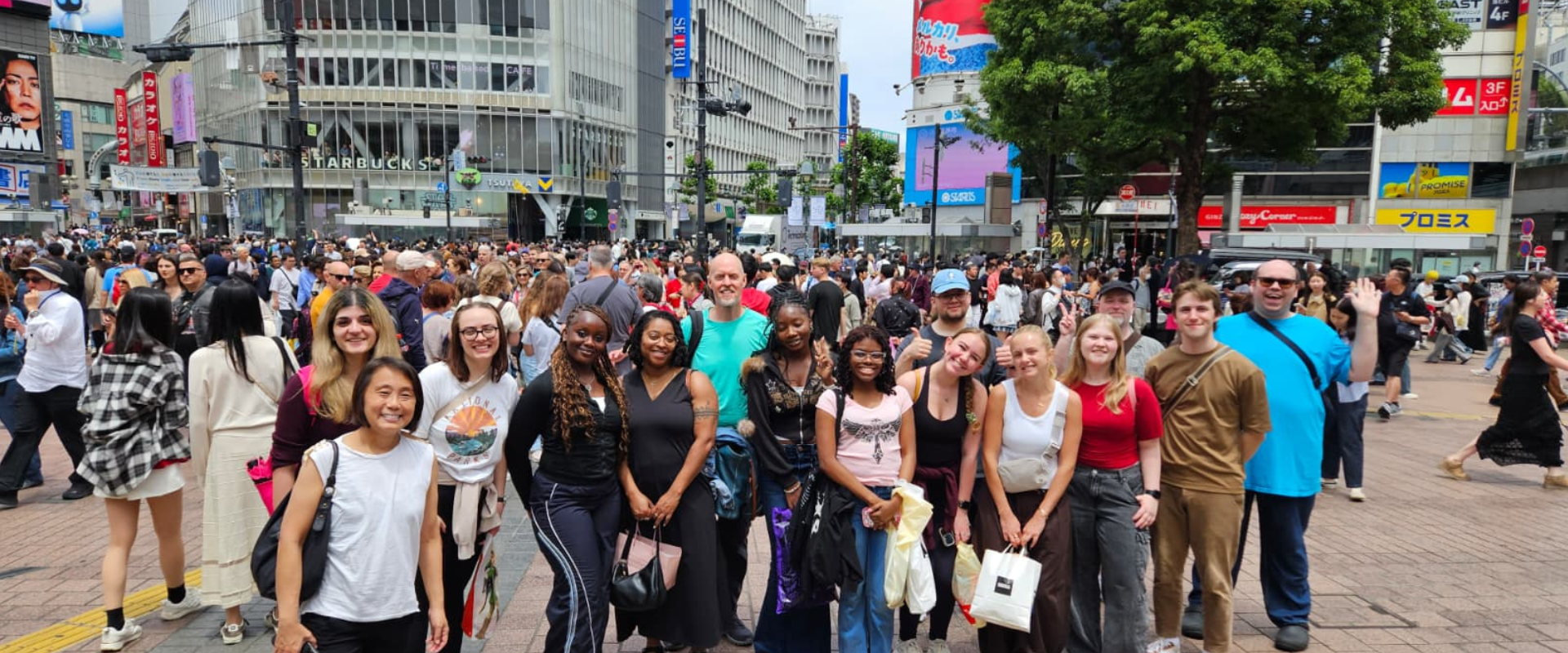
Tokyo • Kyoto • Osaka | 10-Day Faculty-Led Program
Designed for students in engineering, technology, urban planning, sustainability, computer science, and related fields, this immersive program explores how Japan applies engineering and technology to the challenges of modern life.
Traveling through Tokyo, Kyoto, and Osaka, students experience cities as living laboratories. From high-speed rail and smart mobility to robotics, resilient infrastructure, sustainable design, and emerging technologies, students examine how innovation moves from research and design into real-world systems. Japan’s smart-city initiatives provide opportunities to explore how technologies such as sensing, autonomous mobility, construction robotics, and advanced infrastructure are being integrated into urban environments.
An Immersive Exploration of Engineering & Innovation in Japan
What Students Explore
SMART CITIES & URBAN SYSTEMS | Examine how technology, data, infrastructure, and design work together to make dense cities more connected, efficient, and livable.
MOBILITY & TRANSPORTATION | Experience Japan’s rail systems while exploring high-speed transportation, transit planning, automation, and the engineering behind moving millions of people.
ROBOTICS & AUTOMATION | Investigate how robotics, AI, sensors, and automation are applied across industry, transportation, construction, and daily life.
RESILIENT & SUSTAINABLE INFRASTRUCTURE | Explore how Japan designs buildings, transportation, energy, and public systems for sustainability, disaster resilience, and long-term use.
INNOVATION & HUMAN-CENTERED DESIGN | Explore how engineers balance technological advancement with safety, usability, accessibility, culture, and the needs of the people their systems serve.
10-Day Itinerary
This itinerary shows what a Japan Engineering, Technology & Smart Cities program could look like. Specific university engagements, company visits, workshops, and guest speakers will vary based on your dates, group size, academic goals, and local availability.
We’ll work with your faculty and study abroad team to adapt the experience to your course objectives and students. The program can emphasize mechanical or civil engineering, robotics, computer science, transportation, sustainability, urban planning, disaster resilience, or emerging technology, depending on your academic focus.
Activities listed below are examples and subject to availability and confirmation.
A Program, Built to Be Customized
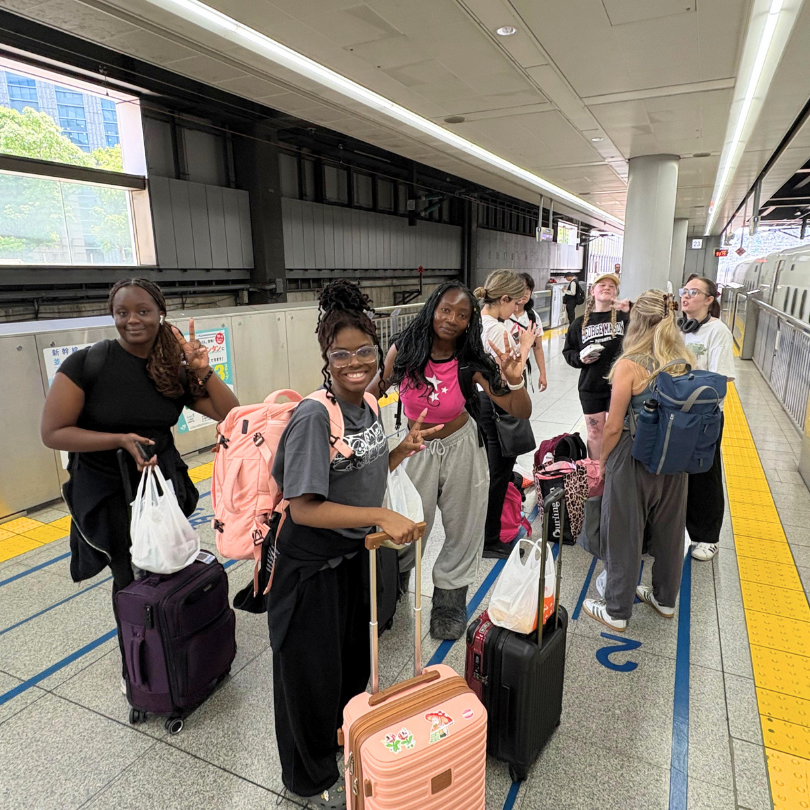
Day 1: Arrival & Introduction to Japan
Arrive in Tokyo and begin experiencing one of the world’s most complex urban environments.
Meet your EdOdyssey Program Leader and travel into Tokyo. Participate in an orientation covering Japanese culture, transportation, communication, and the program’s academic themes before gathering for a welcome dinner.
Sample Experiences:
Arrival orientation • Tokyo transit introduction • Urban observation • Welcome dinner
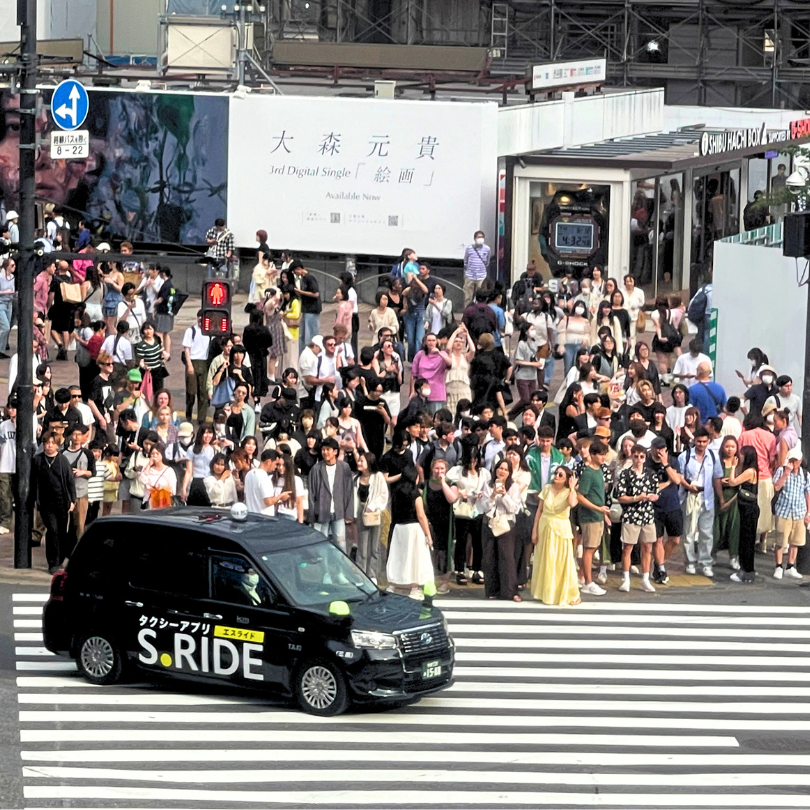
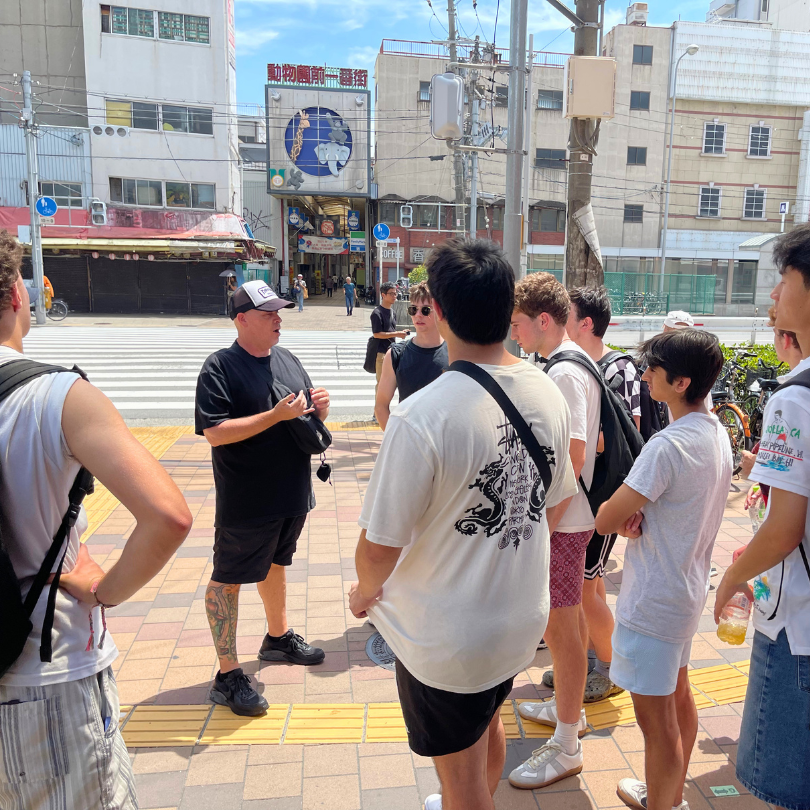
Day 2 | Tokyo as an engineered city
Explore how one of the world’s largest metropolitan areas functions at human scale.
Navigate Tokyo by rail and on foot, using the city as a case study in transportation, density, public space, infrastructure, and urban design. Students observe how engineering decisions shape the everyday experience of moving through a megacity.
Tokyo’s smart-city strategy connects technology and data with mobility, disaster preparedness, urban development, energy, education, and quality of life.
Sample Experiences:
Tokyo rail systems • Urban infrastructure field study • Transit hubs • Smart-city observation • Shibuya
Day 3 | Smart Cities, Data & Mobility
Investigate how technology and data are changing the way cities understand and manage movement.
Meet with university researchers, planners, or industry professionals working in smart-city development, transportation, sensing, or mobility. Explore how technologies such as LiDAR, AI, autonomous vehicles, and real-time data can help cities understand traffic, infrastructure, and human movement.
Sample Experiences:
University or expert engagement • Smart mobility • Urban sensing • Autonomous transportation • Smart-city field study
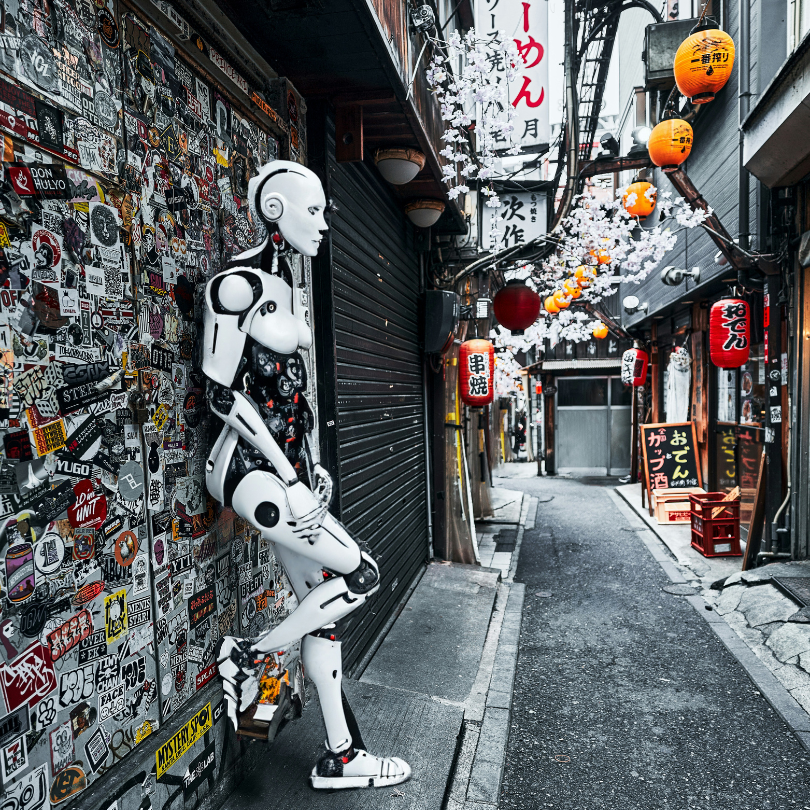
Day 4 | Robotics, Automation & Engineering Innovation
Explore how Japan applies robotics and automation to real-world challenges.
Visit a university, innovation center, technology organization, or company to learn about developments in robotics, automation, AI, or advanced manufacturing. Students examine how these technologies are being developed to address challenges in infrastructure, transportation, construction, disaster response, and everyday life.
Sample Experiences:
Robotics demonstration • Engineering research visit • AI & automation • Innovation discussion • Hands-on technology experience
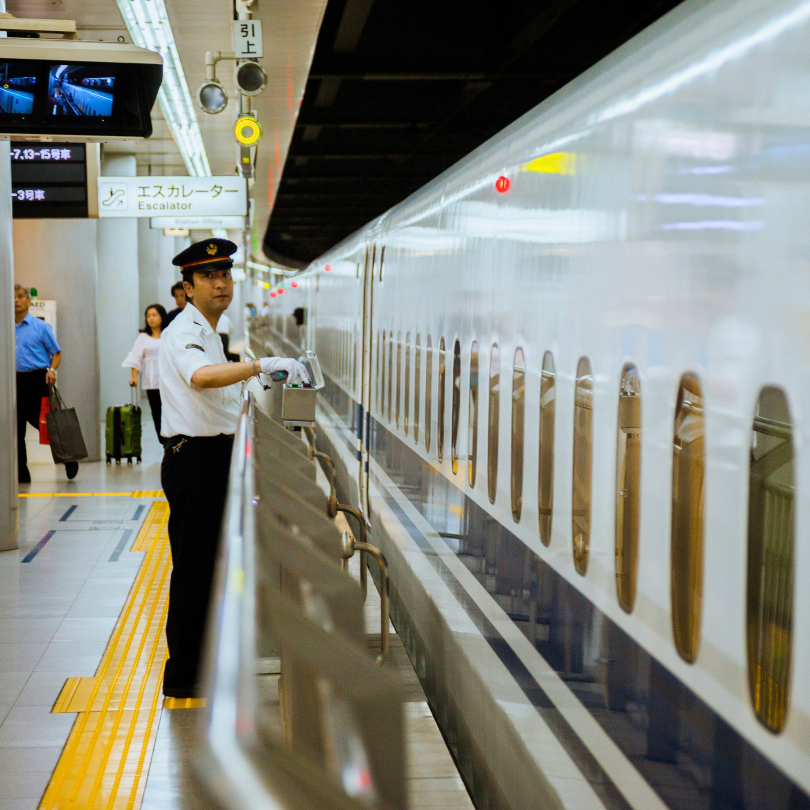
Day 5 | Tokyo to Kyoto: Engineering High Speed Mobility
Experience one of Japan’s most recognizable engineering achievements firsthand.
Travel from Tokyo to Kyoto aboard the Shinkansen, examining how high-speed rail connects major population centers and the relationship between transportation infrastructure, reliability, urban development, and passenger experience.
After arriving in Kyoto, explore how a historic city balances modern transportation and infrastructure with cultural preservation.
Sample Experiences:
Shinkansen • High-speed rail systems • Kyoto orientation • Urban preservation • Nishiki Market
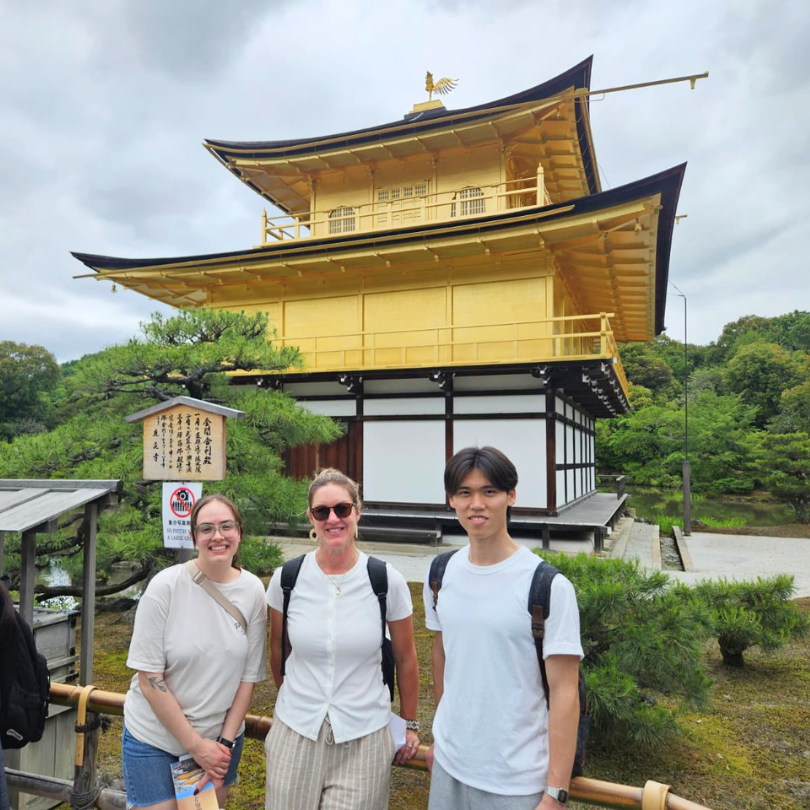
Day 6 | Kyoto: Sustainability, Design & Preservation
Explore how innovation can support a city without erasing what makes it distinctive.
Explore Kyoto through the lens of sustainable design, environmental management, and cultural preservation. Students examine how modern infrastructure operates alongside historic neighborhoods, temples, public spaces, and centuries-old traditions.
Consider how engineering and technology can address modern urban challenges while preserving Kyoto’s character and cultural heritage.
Sample Experiences:
Sustainable city exploration • Historic infrastructure • Environmental learning • Cultural preservation • Kyoto neighborhoods
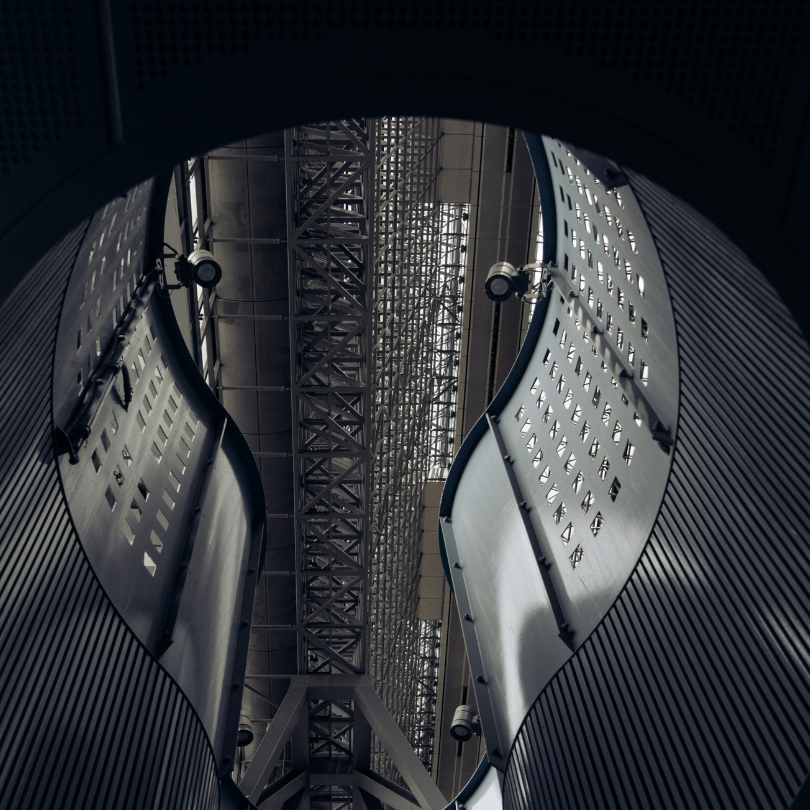
Day 7 | Engineering for Resilience
Examine how engineers design for risk in a country shaped by earthquakes and other natural hazards.
Explore Japan’s approach to disaster preparedness and resilient infrastructure through a museum, research engagement, built-environment field study, or guest speaker. Students examine how structural engineering, monitoring systems, emergency planning, and public education work together to reduce risk.
Sample Experiences:
Disaster resilience • Earthquake engineering • Structural design • Emergency systems • Applied engineering discussion
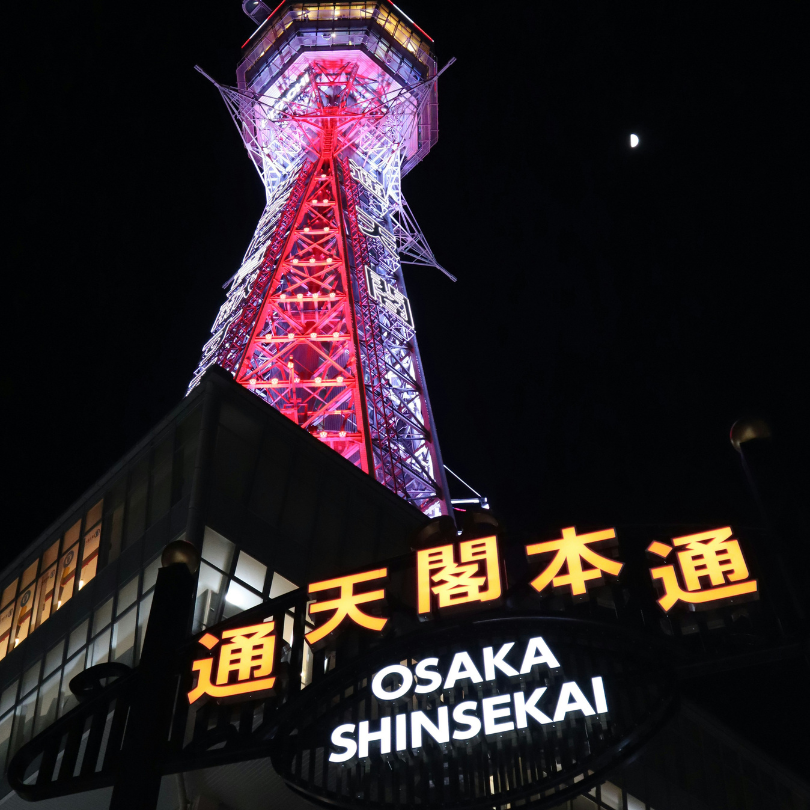
Day 8 | Kyoto to Osaka: Technology in Practice
Travel to Osaka and explore how engineering research becomes practical technology.
Explore Osaka as a major commercial and industrial center, then engage with a university, company, or innovation organization working in engineering or emerging technology. Students investigate how research and design translate into real-world applications across areas such as smart mobility, sensing, robotics, AI, and resilient infrastructure.
Sample Experiences:
Osaka orientation • University or company engagement • Applied engineering • Smart technology • Innovation district
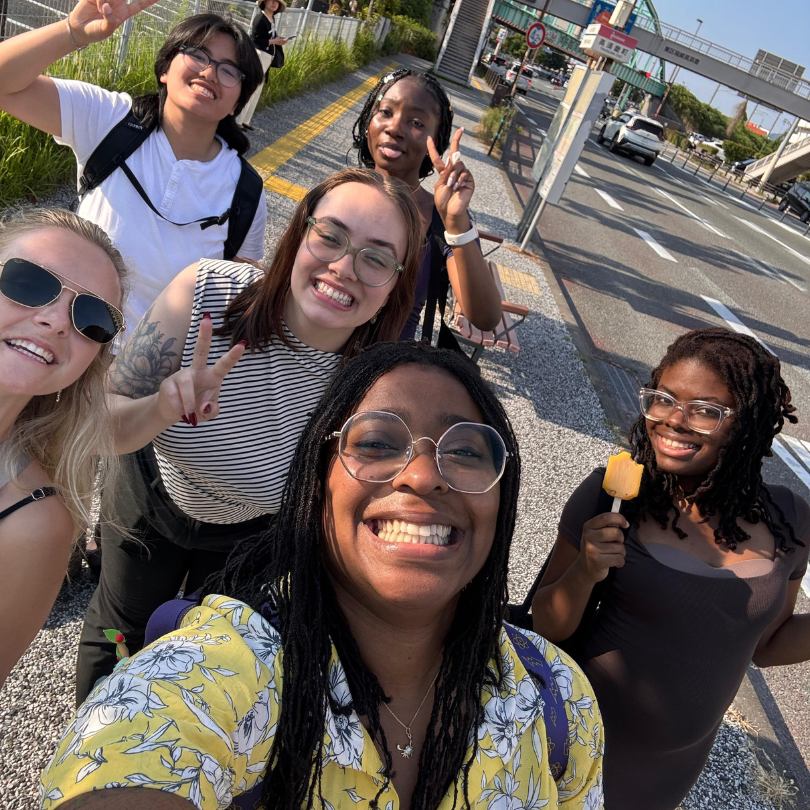
Day 9 | Designing the city of the future
Bring together lessons from Tokyo, Kyoto, and Osaka to imagine what cities of the future should prioritize.
Students work collaboratively to identify an urban challenge and develop solutions informed by their experiences in Japan. Explore transportation, sustainability, resilience, accessibility, automation, public space, or another course-aligned issue.
Conclude with student presentations, facilitated reflection, and a farewell dinner.
Sample Experiences:
Engineering design challenge • Smart-city workshop • Student presentations • Program reflection • Farewell dinner
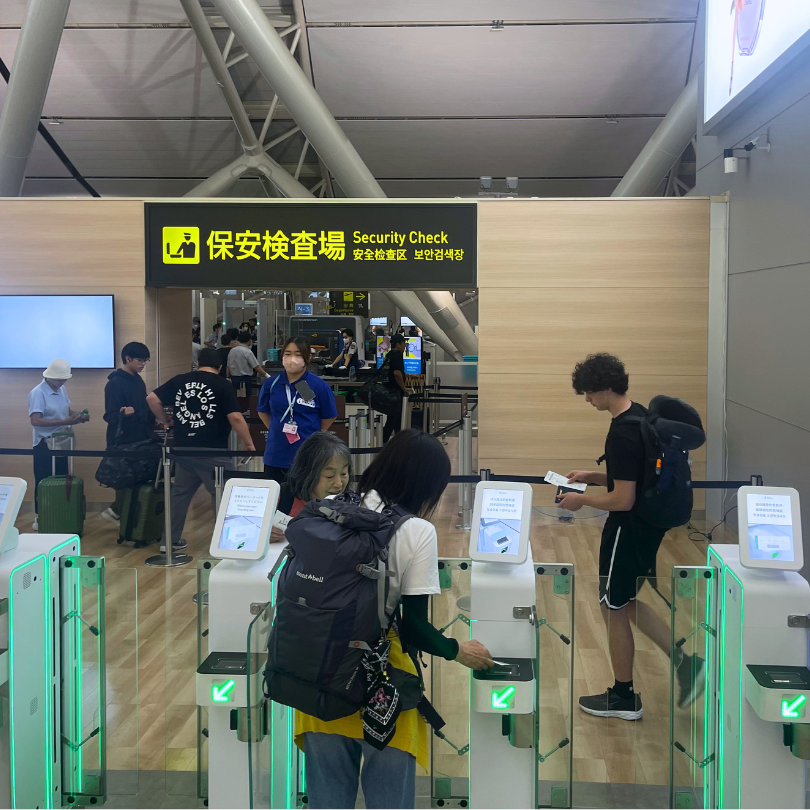
Day 10 | Departure
Depart Osaka with a deeper understanding of how engineering, technology, culture, and human needs intersect in Japan’s cities.
Sample Experiences:
Breakfast • Program reflection • Departure
Make this program your own
Start Here. Then Shape Around Your Course.
This itinerary is a starting point. Customize the academic focus, program length, technical site visits, university engagements, cultural experiences, and level of EdOdyssey Program Leader support to align with your course objectives, students, group size, dates, and budget.
Civil Engineering
Infrastructure • Transportation • Structural systems • Resilience
Mechanical Engineering
Robotics • Automation • Manufacturing • Mobility
Computer Science & AI
Sensors • Smart cities • Autonomous systems • Data
Urban Planning
Transportation • Density • Public space • Mobility • Human-centered cities
Sustainability
Green infrastructure • Energy • Resource management • Resilient design
Robotics & Automation
Human-robot interaction • Industrial applications • Emerging technologies
Innovation & Design
Research • Entrepreneurship • Product development • Applied technology
Could this work for your students?
Use this program as your starting point or tell us what you'd change. We'll work with you to align the itinerary with your course objectives, students, preferred dates, group size, and budget.
Have a different academic focus in mind?